

Peaceful Bedroom Ideas to Create a Tranquil Space for Better Sleep

These peaceful bedroom ideas can help you create a calming space where you can relax, unwind, and enjoy a more restful night’s sleep.
While a cozy bedroom is beautiful, I’ve learned over the years that the most peaceful rooms are the ones that make you feel comfortable the moment you walk through the door.
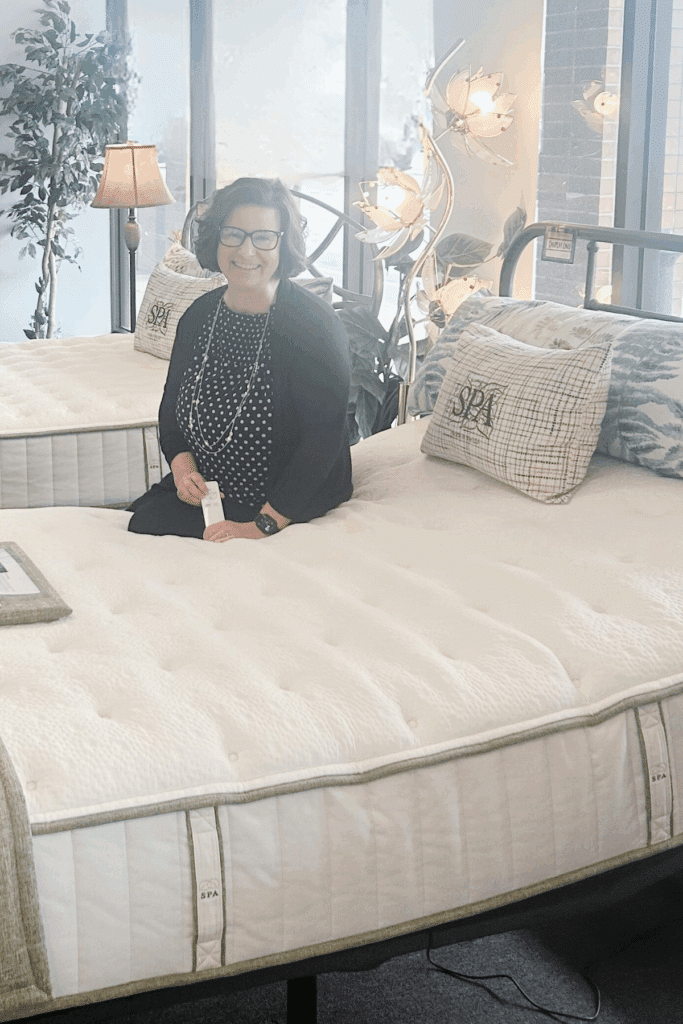
After working in the mattress industry for more than 25 years, I’ve talked with countless people who believed a new mattress was the only thing standing between them and better sleep.
And while your mattress is an important part of creating a comfortable sleep space, I’ve seen firsthand that so much more goes into making a bedroom feel truly restful.
From lighting and bedding to clutter, pillows, room temperature, and your bedtime routine, the little details can make a big difference.
I’ve always loved creating cozy spaces at home, and there’s something special about stepping into a bedroom that instantly feels calm after a busy day.
It doesn’t have to be expensive or perfectly styled — some of the biggest changes often come from simple, thoughtful updates that make your space feel more peaceful.
To help you create your own tranquil space, I’ll share my favorite peaceful bedroom ideas to help you create a warm, inviting sleep sanctuary you’ll love coming home to every night.
Whether you’re refreshing your primary bedroom, updating a guest room, or looking for budget-friendly changes, these ideas can help you create a space that feels comfortable, relaxing, and uniquely yours.
I may earn a small commission for affiliate links in this post at no extra cost to you. Please read my privacy policy and privacy page for more information. As an Amazon Associate, I earn from qualifying purchases.
Key Takeaways
- Create peaceful bedroom ideas by addressing the issues that disturb your rest most, such as clutter, harsh lighting, noise, uncomfortable bedding, or excess heat.
- Use calming colors, natural textures, simple storage, and a short evening reset to reduce visual distractions without requiring a full makeover.
- Improve sleep comfort with breathable bedding, supportive pillows, a suitable mattress, and a room that is cool, dark, and quiet.
- Use warm lighting, gentle scents, steady sounds, and fewer screens to help your bedroom signal relaxation at night.
- Choose small, sustainable changes that fit your budget, routine, and personal preferences rather than copying someone else’s design style.

Peaceful Bedroom Ideas to Create a Tranquil Space for Better Sleep

Peaceful bedroom ideas are all about being calm, comfortable, cool enough for you, quiet enough for you, and simple to use when you’re tired.
It doesn’t need to match a trend or achieve quiet luxury.
It needs to remove the little annoyances that make you feel alert when you want to rest.
Sight, touch, sound, smell, and temperature all affect how the room feels.
Bright piles of laundry can pull your attention.
Scratchy sheets can make you shift around.
A lamp that feels too harsh can make 10 p.m. feel like noon.
Choose two or three changes that fit your budget and your actual routine.
If you rent, start with bedding, lamps, baskets, curtains, and small storage pieces.
If you own your home, paint and window treatments may be worth considering later.

Your bedroom does not need to be empty to feel peaceful. It needs a clear purpose, a comfortable bed, and fewer things asking for your attention so you can create a calm atmosphere.
Bright red, neon accents, and high-contrast patterns can feel busy in a sleep space.
Softer shades are usually easier to live with at night, especially when they form a neutral color scheme.
Try warm white, beige, dusty blue, sage green, gentle gray, or other natural tones such as muted white and soft gray.
You don’t have to repaint the entire room.
A duvet cover, curtains, pillow shams, or one throw blanket can change the feeling of the space.
Keep the colors close in tone so your eye isn’t jumping from one strong contrast to another.
Natural materials also help the room feel less hard and shiny.
Cotton, linen, wood, and other organic finishes add warmth, while cozy textiles such as a soft blanket or rug make the space more inviting.
Use a few materials you genuinely like and combine them through layered textures for depth without visual noise.
Too many textures can make the room feel crowded.
Reduce visual clutter before bedtime
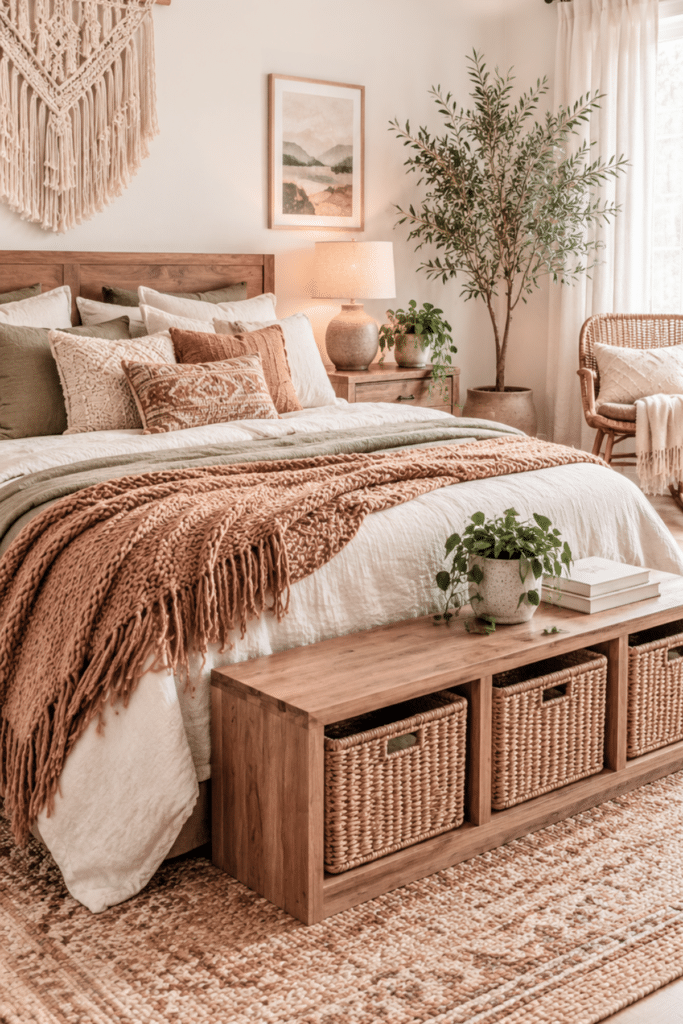
Clutter is not a character flaw, but it can turn your bedroom into a reminder list instead of a clutter-free space.
Clear the nightstand of receipts, cups, cords, and random items that belong elsewhere.
Give daily items a defined home, even if that home is one simple basket.
Put worn clothes in a hamper instead of on the floor or a chair.
Use drawer organizers for small items that otherwise spread across surfaces.
Limit open storage if it constantly looks overfilled, and choose simple, non-fussy decor that keeps the room feeling restful.
A five-minute reset at night is enough for most peacful bedrooms.
You are not required to organize a closet before bed.
You are only making the space less distracting when you climb under the covers.
Make Your Bedroom More Comfortable for Deeper Rest

A beautiful bedroom won’t feel restful if the bed leaves you sore or overheated.
Making sure you have a comfortable mattress, choosing the best bed pillow, bedding, and room temperature shape your sleep environment, making them practical foundations of a calming bedroom.
They deserve more attention than decorative pillows.
Comfort is personal.
Your sleep position, pressure points, body size, health needs, and preferences all matter.
Knowing how to choose the right mattress type is key since what feels amazing to one person can feel too firm, too soft, or too warm to you.
Start with affordable changes if your current bed is in decent condition.
Replace flattened pillows, try breathable or soft bedding, add a washable mattress protector, or adjust your layers and add a mattress topper.
If the mattress is sagging or painful, you may need to learn more about how to know when to replace a mattress.

If you sleep warm, perhaps you need to try some of the best bed sheets for hot sleepers.
Cotton percale and linen are common choices because they feel light and allow more airflow than heavy, tightly woven fabrics.
Avoid judging sheets by thread count alone.
What matters more is whether the fabric feels pleasant on your skin and works with your temperature.
Wash your sheets regularly, and replace them when the fabric becomes rough, thin, or difficult to keep clean.
Use layers instead of one oversized comforter.
A lightweight blanket, quilt, and comforter give you options when the room changes overnight.
If you regularly wake up too hot or too cold, a BedJet Sleep System or similar bed-climate system may be worth considering after you have addressed basic bedding and room temperature.
Check your mattress and pillow support

Pay attention to what happens when you wake up.
Morning soreness, pressure at your hips or shoulders, frequent tossing, visible sagging, and a neck that feels bent are all signs you may need to upgrade your bed and learn more from a mattress buying guide.
Side sleepers often need enough cushioning at the shoulder and hip, plus a pillow that fills the space between the head and mattress.
Back sleepers often prefer steady support that keeps the neck level.
Stomach sleepers usually need a lower pillow to avoid pushing the neck too far upward.

When you learn how to test a mattress, it makes shopping to create that peaceful bed so much easier.
Make sure you lie down in the mattress store in your usual position for several minutes.
Don’t judge a bed by sitting on its edge or pressing it with one hand.
Bring your pillow if the store allows it, and pay attention to pressure, alignment, and how easy it is to change positions.
Keep the room cool, dark, and quiet

Many people find that the perfect peaceful bedroom ideas center around sleeping more comfortably in a slightly cool room, although your preference is what matters.
Use breathable layers, a fan, or a thermostat adjustment to find the temperature that helps you settle.
A plush rug can soften cold floors, absorb some sound, and contribute to a more relaxing ambiance.
Block light where you can.

Curtains made with blackout fabric are helpful for early sun or streetlights, while a sleep mask is a low-cost option for renters and travelers.
Cover bright charging lights and other small LEDs if they catch your eye from bed.
For noise, try a fan, white noise machine, earplugs, heavier curtains, or soft furnishings.
Either a Zen bedroom or boho bedroom can both work well when they keep the room comfortable instead of filling it with extra decor.
Together, these choices help turn your room into a peaceful bedroom that will become your personal sleep sanctuary.
Use Lighting, Scents, and Sound to Signal Relaxation

Your bedroom cues matter because your body notices patterns.
If you use bright lights, scroll through stressful messages, and work in bed until you feel exhausted, the room can become associated with alertness rather than a relaxation space.
A repeatable wind-down pattern is more useful than one decorative purchase.
Pick a few sensory changes that tell you the day is closing, then use them consistently to create a calm atmosphere and make the room feel ready for rest.
Layer soft lighting for a calmer evening and a peaceful bedroom

Use warm, dimmable, cozy bedroom lighting in the hour before bed when possible.
A bedside lamp, wall sconce, or small lamp gives you enough light for reading without flooding the entire room with overhead brightness.
This kind of ambient lighting can add a touch of quiet luxury through gentle illumination and understated comfort.
Keep one light near the bed for simple tasks.
You should not need to turn on every fixture to find water, take medication, or read a few pages.
Make sure that your phones and tablets are not part of your evening routine for better sleep; keep them out of the center of your evening whenever possible.
Add gentle scent and soothing sound

Freshly washed bedding may be all the scent you need.
If you enjoy fragrance, use a mild linen spray or diffuser according to its instructions.
Stop using a scent if it causes headaches, allergy symptoms, asthma irritation, or nausea.
Candles can feel cozy, but never leave one burning while you’re sleepy or out of the room.
A flameless candle or soft lamp provides a safer option.
For sound, choose something steady and low-distraction.
Rain sounds, soft instrumental music, a fan, or white noise can cover sudden hallway or traffic sounds and support a calm atmosphere.
Avoid playlists with ads, abrupt volume changes, or lyrics that keep your mind engaged.
Build a Peaceful Night Routine You Can Maintain

The most effective peaceful bedroom is one you can maintain on an ordinary Tuesday.
A perfect room that creates more work will not stay peaceful for long.
Keep your relaxation activities short and repeatable.
Your goal is not to perform an elaborate self-care ritual every night, but to easily unwind in your peaceful room.
Create a five-minute evening reset
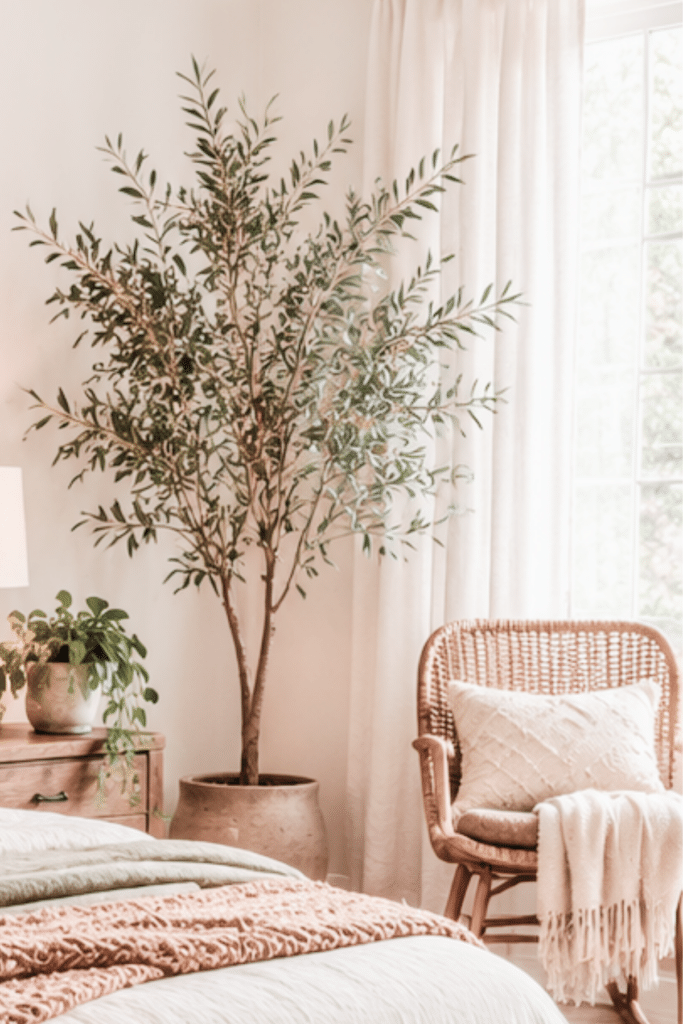
Use a flexible reset before you get into bed to maintain a clutter-free space:
- Return stray items to their usual places.
- Put dirty clothes in the hamper.
- Clear the nightstand and set out tomorrow’s essentials.
- Adjust the temperature, close the curtains, and dim the lights.
A free printable sleep tracker, a free printable bedtime habit tracker, or a free printable night routine list can help you notice what affects your rest.
Set boundaries around screens and work
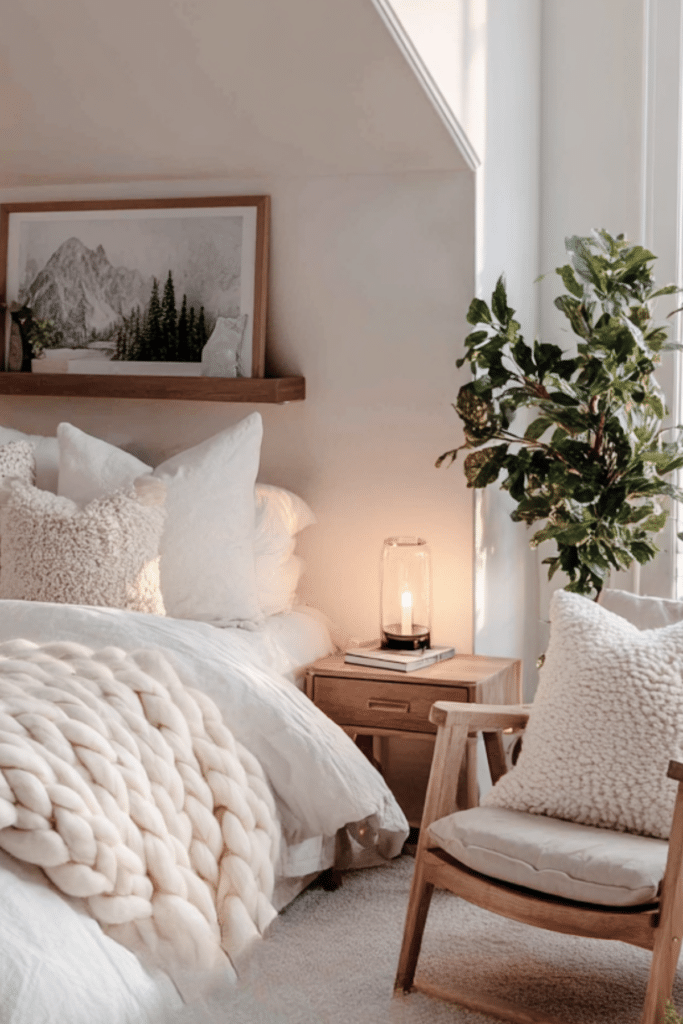
Keep work materials, unpaid bills, exercise equipment, and stressful reminders outside the bedroom when you can.
If space is limited, put them in a closed bin or cabinet before bedtime so the room remains a relaxation space.
Charge your phone across the room or outside the bedroom, then use a traditional alarm clock if needed.
Set a screen cutoff that fits your life.
Even 20 minutes without scrolling can create a clearer separation between daytime tasks and sleep.
If you must keep a device nearby, silence alerts, lower the brightness, and use the night setting.
A short brain dump or using a few night journal prompts can also move tomorrow’s worries off your mind and make your space even more relaxing and peaceful.
Add personal touches that feel comforting

A peaceful room should still feel like yours.
Choose a few pieces of sleep art, a favorite blanket, a book you want to read, a framed photo, or indoor plants that fit the available light.
Choose a few meaningful details instead of filling every shelf.
A cozy bedroom color palette with calming colors can create a cohesive look, while a touch of quiet luxury makes the room feel considered without becoming formal or fussy.
Peaceful bedroom ideas work best when they support your comfort, not when they copy someone else’s room, helping you create a calming, tranquil space you’ll want to return to each night.
Peaceful Bedroom Essentials for a Cozy Sleep Sanctuary
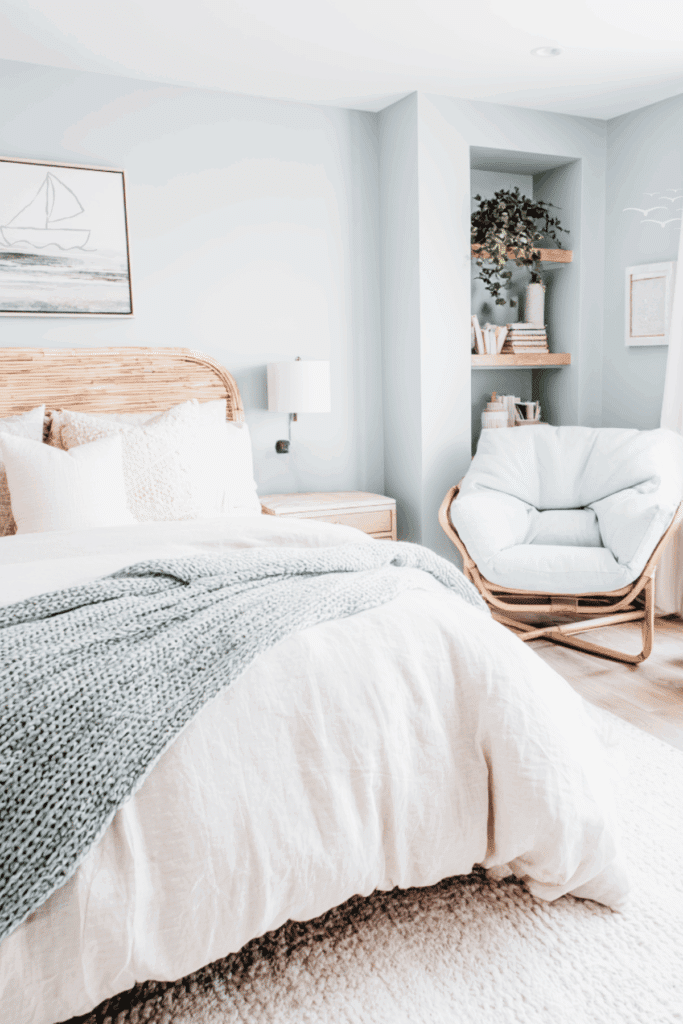
You don’t need to buy everything on this list to create a peaceful bedroom.
Start with the items that solve your biggest frustrations, then add to your space over time.
Even a few thoughtful bedroom essentials can make your bedroom feel more comfortable, cozy, and relaxing while helping you create the sleep sanctuary you’ve been dreaming of.
Soft Linen or Cotton Sheets

Your sheets are one of the first things you notice when you climb into bed.
Choose the best bed sheets for hot sleepers like breathable linen, cotton percale, or another fabric that feels soft against your skin and works well with your preferred sleeping temperature.
Comfortable bedding is one of the easiest peaceful bedroom essentials for creating a cozy sleep sanctuary.
Cozy Knit Throw Blanket
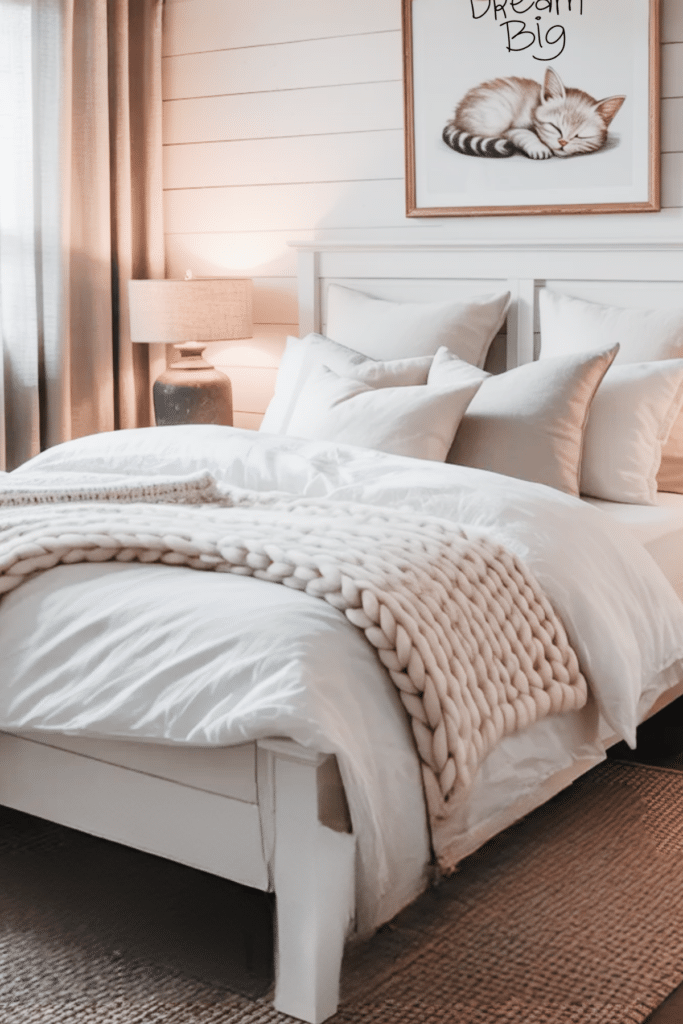
A soft knit throw instantly makes a cozy bedroom feel warmer and more inviting.
Fold one across the foot of the bed or drape it over a reading chair to add texture without making the room feel cluttered.
It’s one of my favorite ways to make a bedroom look cozy while also being practical.
Warm Reading Lamp
Harsh overhead lighting can make a bedroom feel bright and busy long after the day is over.
A bedside lamp with warm lighting creates a softer atmosphere that’s perfect for reading, journaling, or simply unwinding before bed.
Blackout Curtains
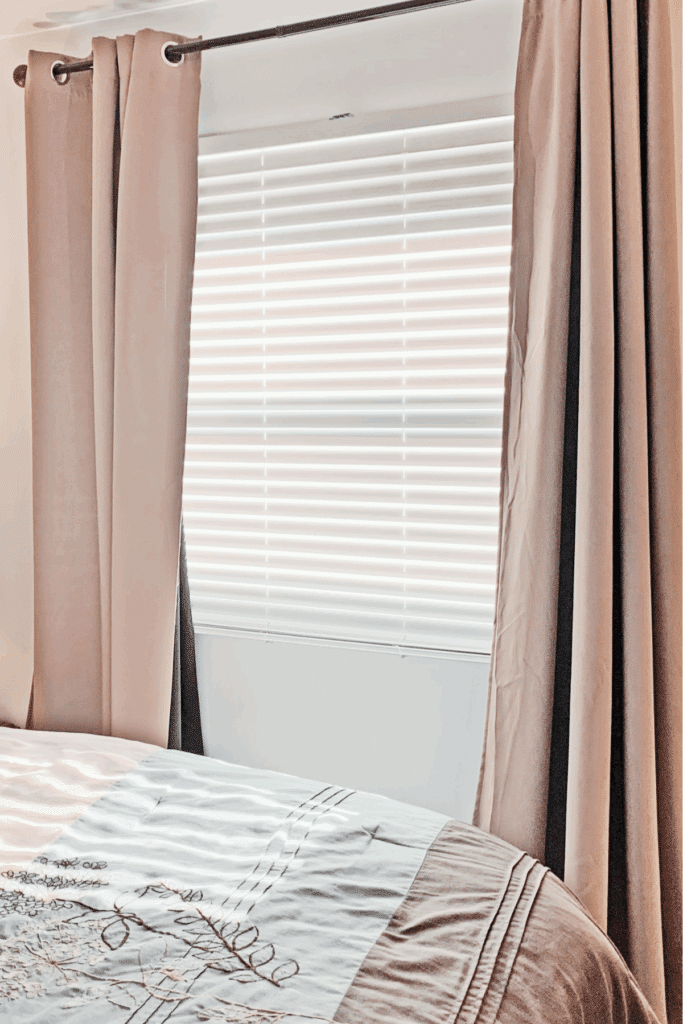
If outside light wakes you up early or shines into your bedroom at night, blackout curtains can make a surprising difference.
They also create a cozy feeling by making your bedroom feel quieter, more private, and more comfortable.
SmartSleep Sunrise and Sunset
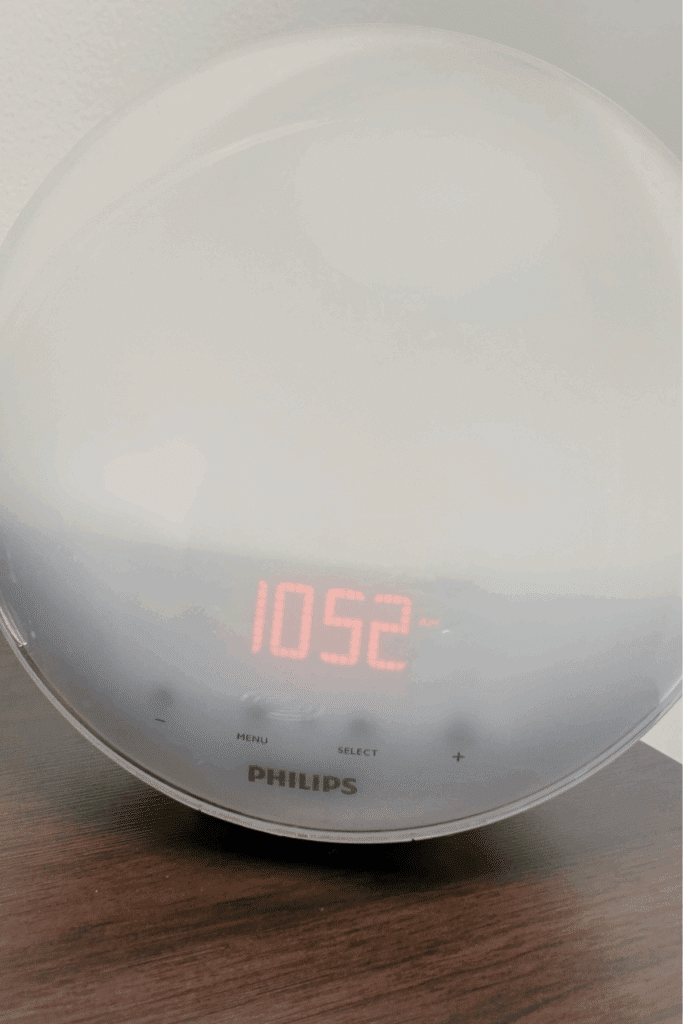
A SmartSleep Sunrise and Sunset with nature sounds can create a peaceful space while helping cover traffic, neighbors, barking dogs, or other household noises that interrupt your relaxation.
Whether you prefer the calming lowering of light, rising of the sun or just some nature sounds, it’s an easy way to make your bedroom feel calmer, and more peaceful.
Calming Sleep Art

Choose sleep art that makes you feel relaxed instead of energized.
Soft landscapes, botanical prints, calming quotes, or simple abstract artwork can create a peaceful focal point without overwhelming your bedroom decor.
Woven Storage Basket

Every peaceful bedroom needs an easy place to tuck away extra blankets, decorative pillows, books, or laundry.
A woven basket adds natural texture while helping reduce visual clutter and keeping your bedroom organized.
Bedside Tray

A small bedside tray keeps everyday essentials neatly organized instead of scattered across your nightstand.
It’s the perfect place for a remotes, glasses, hand lotion, or lip balm so everything you need is within reach.

Quick Peaceful Bedroom Essentials Checklist
Before you finish decorating your bedroom, see how many of these peaceful bedroom essentials you already have:
- Breathable sheets
- Comfortable pillows
- Cozy knit throw blanket
- Warm bedside lamp
- Blackout curtains
- White noise machine
- Calming wall art
- Woven storage basket
- Bedside tray
- Candle warmer or flameless candle
- Soft area rug
- Essential oil diffuser
- Easy-care houseplants
- Breathable comforter or quilt
- A favorite bedtime book or journal

Frequently Asked Questions
How can I make my bedroom feel more peaceful on a budget?
Start with changes that address the biggest distractions, such as clearing the nightstand, adding a basket for clutter, switching to warmer lighting, or using breathable bedding. Blackout curtains, an eye mask, a fan, and a simple evening reset can also improve the room without a costly makeover.
What colors are best for a peaceful bedroom?
Soft, muted shades such as warm white, beige, dusty blue, sage green, and gentle gray are generally easy to live with at night. Choose colors that are close in tone and pair them with natural materials to create a calm atmosphere without too much visual contrast.
How can I make my bedroom more comfortable for sleep?
Pay attention to your mattress, pillow, bedding, and room temperature first. Replace flattened pillows, choose breathable layers, and adjust the bed setup if you wake with soreness, pressure, or signs of overheating.
Should I keep my phone out of the bedroom?
Keeping your phone across the room or outside the bedroom can reduce alerts and late-night scrolling, making it easier to separate daytime tasks from sleep. If you need it nearby, silence notifications, lower the brightness, and use a night setting.
What should I do before bed to keep my bedroom peaceful?
Try a flexible five-minute reset: return stray items, put clothes in the hamper, clear the nightstand, close the curtains, and dim the lights. Repeating this simple routine helps the room feel ready for rest without turning bedtime into an elaborate chore.

Final Thoughts
Creating a peaceful bedroom doesn’t have to mean starting over with a complete makeover or spending a lot of money.
Some of the most calming spaces are created through simple changes that help your bedroom feel more comfortable, welcoming, and relaxing.
After more than 25 years in the mattress industry, I’ve learned that better sleep is about more than just choosing the right mattress.
Your entire sleep environment plays a role in how your bedroom feels at the end of a long day.
The lighting, bedding, colors, organization, comfort level, and little details you add all work together to create a space that feels like a true retreat.
The best peaceful bedroom ideas are the ones that fit your lifestyle and make you feel good when you walk into the room.
Whether you add softer textures, remove clutter, create a cozy reading corner, refresh your bedding, or simply make your space feel more like you, even small updates can transform the way your bedroom feels.
Your bedroom should be more than just a place where you sleep, it should be a place where you can slow down, relax, and enjoy a few quiet moments at the end of each day.
Need some extra help relaxing before bedtime? Check out this sleep meditation free printable!
Your Turn
Now I’d love to hear from you! What changes have you made to create a more peaceful and relaxing bedroom?
Maybe it was adding cozy bedding, changing your lighting, bringing in calming colors, decluttering your space, or creating a little corner that feels like your own personal escape. Sometimes the smallest changes can make the biggest difference.
Share your favorite peaceful bedroom ideas in the comments, I’d love to hear what has helped make your bedroom feel like a calm and comfortable space.
RELATED POSTS:
- Zen Corner Ideas for the Bedroom to Relax and Sleep Better
- Cozy Earthy Bedroom for a Warm Aesthetic to Unwind at Night On a Budget
- Boho Bedroom Ideas: Easy Ways to Create a Warm, Earthy & Cozy Sleep Sanctuary
- Cozy Coastal Bedroom Ideas: Neutral, Modern, and Chic for a Relaxing Space
- Cozy Zen Bedroom Ideas to Create a Sleep Sanctuary with a Color Palette, Bedding, Pillows, and More
- How to Create a Comfy Bed for Better Sleep Tonight
- Cozy Small Guest Bedroom Ideas That Turn a Tiny Room Into a Restful Sleep Retreat
- Cozy Minimalist Bedroom: Easy Ideas for a Calming Retreat and Better Sleep
- Relaxing Bedroom Ideas for Better Sleep (Even in a Small Room)
- Cozy Bedroom Color Palette Ideas for Better Sleep
- Cozy Bedroom Ideas for Better Sleep: Easy Tips to Create a Sleep Sanctuary
- Top 15 Bedroom Essentials: My Must Have List for Better Sleep
- The Best Sleep Investment I’ve Ever Made (and Why It’s the BedJet Sleep System)
- How to Build a Sleep Routine That Actually Works
- Sleep Hygiene Tips That Work [Free Printable Checklist Included]
- How To Choose The Right Size Of Mattress Buying Guide
- How to Choose the Best Bed Pillow For Sleeping (Tips From an Expert)
- Fall Sleep Essentials to Make Your Bedroom Extra Cozy This Autumn Season

Hi, I’m Debbie, general manager of a mattress store chain with 25+ years helping people improve their sleep quality. At Sweet Sleep Tips, I share natural, practical sleep solutions, calming bedtime habits, and printable tools to help you fall asleep faster and wake up refreshed. My goal is to make better sleep simple, healthy, and stress-free.
Follow me on Pinterest, Instagram, and Facebook to stay up to date with all the latest Sweet Sleep Tips.





Thank you for these excellent thoughts about creating a peaceful space for tranquil sleeping. Your ideas about creating a peaceful atmosphere resonated with me. My favorite method is a good book, and your suggestions have given me even more ideas.
I’m loving these room ideas! I’ve got a lavender essential oil diffuser in my bedroom and I sleep like a baby.