
Relaxation Activities for Adults: Calming Night Routine Ideas to Help You Sleep Better
I have spent more evenings than I can count looking for ways to unwind before bed without picking up my phone again.
Some ideas sounded wonderful in theory but required too much setup, too much concentration, or far more energy than I had left after a long day.
When you’re already tired, the last thing you want is a hobby that feels like another item on your to-do list.
If you’ve ever found yourself scrolling social media, answering one more email, or watching “just one more” video when you meant to be asleep, you’re not alone.
Bright screens, late work messages, and endless notifications can keep your mind alert long after your body is ready to rest.
The good news is that relaxation activities for adults don’t have to be complicated.
Some of the best calming hobbies are also the simplest.
A few quiet, screen-free hobbies can give your hands something gentle to do while helping your thoughts slow down after a busy day.
Whether you’re looking for relaxing evening activities to replace screen time, bedtime hobbies that fit into a calming nighttime routine, or quiet hobbies that help you leave the stress of the day behind, there are plenty of easy options to choose from.
You don’t need special skills, expensive supplies, or a perfectly planned relaxing nighttime routine to get started.
Sometimes all it takes is finding one simple activity that helps you feel calmer, more present, and ready to ease into a better night’s sleep.
I may earn a small commission for affiliate links in this post at no extra cost to you. Please read my privacy policy and privacy page for more information. As an Amazon Associate, I earn from qualifying purchases.
Key Takeaways
- The best relaxation activities for adults are simple, screen-free, and easy to enjoy before bed.
- Quiet hobbies like adult coloring, knitting, diamond painting, reading, journaling, and puzzles can help create a calming transition from a busy day to bedtime.
- You don’t need expensive supplies or special skills to build a relaxing nighttime routine.
- Choose hobbies that feel calming rather than challenging, and avoid activities that make you lose track of time or become frustrated.
- Keep your hobby supplies organized and ready so it’s easy to unwind each evening.
- Everyone relaxes differently, so experiment with a few calming hobbies until you find what helps you feel peaceful and ready for sleep.
- A consistent bedtime routine with relaxing evening activities can make it easier to disconnect from screens and prepare your mind for a restful night.

Why Screen-Free Relaxation Activities for Adults Can Support Better Sleep

Having worked in the sleep industry, I know firsthand that relaxing before bed is not always as easy as people make it sound.
You can be physically tired but still replaying conversations, worrying about tomorrow, or checking one more notification.
A low-pressure activity may give your mind a break from that cycle.
It does not cure insomnia, erase stress, or replace professional care.
It can, however, create a clearer boundary between the demands of your day and the time you intend to sleep.
Your evening routine also matters.
Dim lighting, a regular bedtime, and less screen exposure can support healthier sleep habits.
Persistent sleep problems, frequent waking, or exhaustion that affects your daily life should be discussed with a qualified health professional.
A hobby is supportive care for your evening, not medical treatment.
Choose Hobbies That Calm You Instead of Keeping You Alert

The right bedtime hobby is quiet, pleasant, and easy to stop.
It should not feel like a test of talent or a project with a deadline.
Avoid activities that create frustration, require bright overhead lighting, or make you say, “I need to finish this one part.”
Competitive games, complicated patterns, and high-stakes puzzles can wake you up instead of winding you down.
Choose something you can pause without losing your place.
The goal is not completion.
The goal is a softer landing at the end of the day.
Set Up a Simple Screen-Free Wind-Down Routine

Pick a realistic start time, usually 30 to 60 minutes before bed.
Put the supplies you need in one small basket, tray, or drawer so you are not searching through closets at night.
Lower the lights, silence your phone, and sit somewhere comfortable.
Stop when you notice that you are becoming sleepy, even if you have only colored half a page or placed ten diamond drills.
Try to do the routine at roughly the same time each night.
Repetition gives the evening a familiar shape, and familiar is often easier for a tired mind.
Your bedtime activity should feel easy to leave behind. If it pulls you into “one more hour,” it is not the right choice for that night.
Creative Screen-Free Hobbies You Can Try Before Bed

Creative hobbies give your hands a gentle task without asking your mind to solve the whole day.
You do not need to be artistic.
You only need an activity that feels pleasant enough to repeat.
Adult Coloring for Quiet Focus and Easy Creativity

Adult coloring books are useful because the picture is already there.
You are not facing a blank page or trying to produce something impressive.
Choose colored pencils, crayons, or markers that feel comfortable in your hand.
Simple botanical pages, large geometric shapes, and nature scenes are usually better before bed than densely packed designs.
Soft colors can feel less demanding than trying to match a complicated palette.
Sit with your back supported and keep your shoulders loose.
If you catch yourself pressing too hard, holding your breath, or becoming annoyed by tiny spaces, put the book away.
Coloring should reduce pressure, not add another task to your list.


Diamond Painting for Repetitive, Satisfying Progress
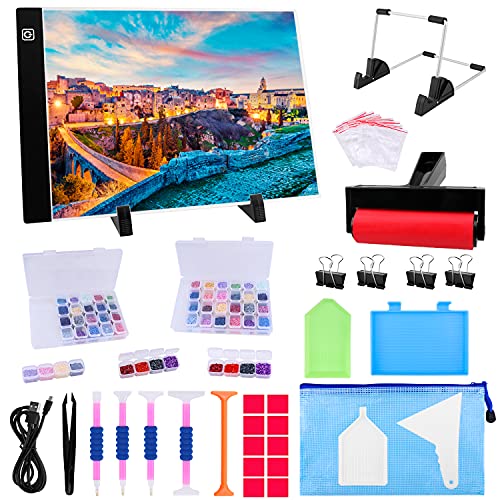
Diamond painting involves placing small resin drills onto a printed adhesive canvas.
The process is repetitive and orderly, which can be calming when your thoughts have felt scattered.
Work on one small area for 15 to 30 minutes.
Keep the drills in a tray or labeled storage box, and cover the rest of the canvas when you are done.
A cluttered table can become one more thing to deal with in the morning.
Take breaks if you have eye strain, stiff fingers, or hand discomfort.
Good relaxation activities for adults should not leave you tense because you pushed through physical discomfort.


Learning to Knit With Simple, Repetitive Stitches

Knitting gives you slow, repeated movements and a clear rhythm.
You do not need to start with a sweater, a chart, or a complicated set of instructions.
Use bulky yarn and a basic stitch pattern for a scarf, grab a dishcloth for beginners, or small practice square.
Large needles and light-colored yarn are easier to see under a bedside lamp.
A simple project is more suitable than a pattern that requires constant counting.
Stop before mistakes become frustrating.
You can fix a dropped stitch tomorrow.
Bedtime is not the time to prove you can solve every problem.
Drawing Without Pressure to Make Perfect Art

Drawing works best before bed when you remove the idea of making “good art.”
Keep a drawing kit near your usual chair and draw what is already around you.
Try leaves, a mug, a houseplant, your slippers, repeating patterns, or plain shapes.
Give yourself five minutes.
Draw slowly and notice edges, shadows, and small details instead of judging the result.
A small sketchbook keeps the activity contained.
You can close it when you are tired and return to a fresh page tomorrow.
Relaxing Puzzles and Mindful Activities for a Quieter Mind

Puzzles can give you a short period of focused attention.
They are useful when your thoughts are racing, and you need a simple mental task that has nothing to do with work, news, or messages.
Difficulty matters.
A gentle puzzle may settle your mind.
A difficult one may make you more alert, more determined, and more likely to stay up past bedtime.
Sudoku Puzzles at a Comfortable Difficulty

Easy Sudoku can give you a brief, orderly focus.
Look for a variety collection of Sudoku puzzles that include beginner or medium puzzles rather than expert-level books that invite you to keep trying long after you intended to sleep.
Set a small time limit, such as 10 or 15 minutes.
When the puzzle becomes demanding, stop.
Leaving a few empty boxes is better than turning bedtime into a contest with yourself.
Use pencil rather than pen if mistakes bother you.
The activity should remain flexible and forgiving.
Jigsaw Puzzles for Slow, Hands-On Relaxation

A 100- to 300-piece calming scene of a jigsaw puzzle is often manageable for an evening session.
Choose a peaceful image with clear colors, such as a garden, an animal, or a landscape, rather than a large puzzle with many similar pieces.
Sorting edge pieces, grouping colors, and looking for small visual matches can bring your attention into the present moment.
Keep the puzzle on a board, a tray, or a folding puzzle mat so you can store it without disrupting your space.
A puzzle spread across the kitchen table can feel relaxing at first.
It stops feeling relaxing when you need to move it at midnight.
Other Gentle Options When You Want More Variety

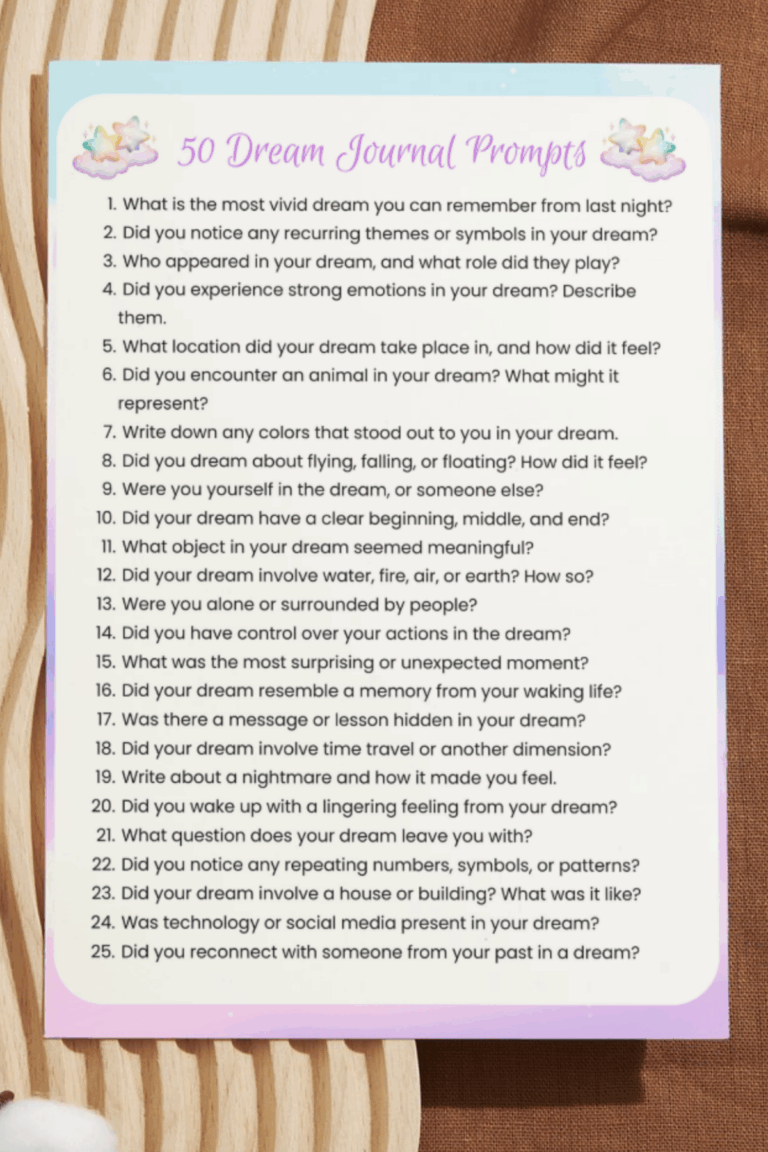
You may prefer handwriting a few lines with some night journal prompts, folding simple origami, crocheting a basic chain, reading a printed book, or writing three things you appreciated that day.
Some evening relaxation exercises for sleep can also work when your body feels tight from sitting.
Keep the standard simple: the activity should be screen-free, quiet, and easy to pause.
How to Choose the Best Bedtime Hobby for You

The best hobby for someone else may be irritating for you.
Your available space, budget, energy level, interests, and bedtime all matter.
Test one option for several nights before deciding it does not work.
Notice whether you feel calmer afterward, whether you become sleepy sooner, and whether you look forward to the activity without feeling compelled to finish it.
Pick the Right Activity for Your Evening Energy

When your mind is busy, repeated movements may help.
Coloring, knitting, crochet, and diamond painting give your hands something steady to do.
When you need mild mental focus, choose a short Sudoku puzzle, a small jigsaw puzzle, or a five-minute sketch.
If you are already exhausted, choose the lowest-effort option available, such as reading a few pages or writing a short gratitude list.
Do not select a hobby that requires planning, learning new rules, or clearing a large workspace when you are barely awake.
Keep Your Supplies Comfortable, Affordable, and Ready
Start with supplies you already own.
A pencil, notebook, library book, deck of cards, or inexpensive coloring book is enough.
Store your materials in a small basket near where you relax.
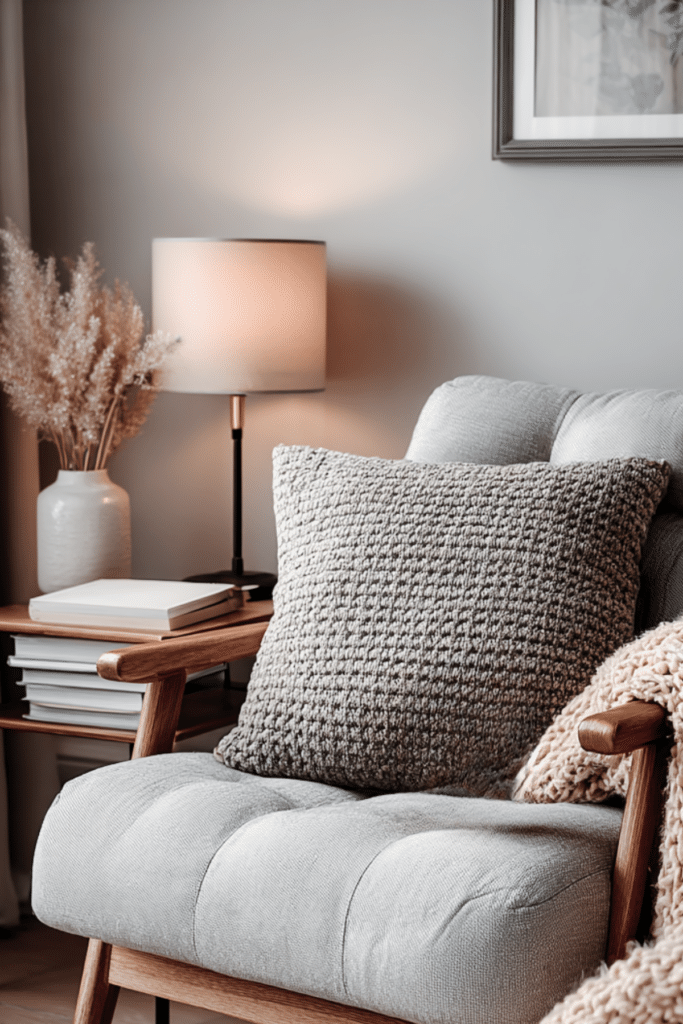
Set up a Zen bedroom by using warm or dim lighting and a quiet, peaceful place to start your relaxation activities.
Be sure to keep your shoulders relaxed and support your back with a pillow if needed.
Take regular breaks for your eyes and hands.
The easier the setup is, the more likely you are to use it when the evening feels long.
Know When a Relaxing Hobby Is Becoming Too Stimulating

A bedtime hobby has crossed the line when it makes you feel more awake than before.
Pay attention to your body and thoughts.
Common warning signs include:
- Racing thoughts or an urge to keep going
- Frustration over mistakes, missing pieces, or difficult instructions
- Eye strain, tense shoulders, or sore hands
- Losing track of time and delaying your normal bedtime routine
Stop when those signs appear.
Switch to a quieter activity, or move directly into your regular sleep routine.
Frequently Asked Questions
What are the best relaxation activities for adults before bed?
The best relaxation activities for adults are quiet, enjoyable hobbies that help you slow down without overstimulating your mind. Adult coloring, reading, knitting, crochet, journaling, diamond painting, simple puzzles, and gentle sketching are all excellent choices because they’re easy to pause when you start feeling sleepy.
Can relaxing hobbies help you sleep better?
Relaxing hobbies don’t treat insomnia or other sleep disorders, but they can become a helpful part of a healthy bedtime routine. Screen-free activities may help you disconnect from the stress of the day, reduce evening screen time, and create a calmer transition before going to sleep.
What hobbies should you avoid before bedtime?
Try to avoid hobbies that leave you feeling energized, competitive, or frustrated. Fast-paced video games, difficult strategy games, complicated craft projects, intense workouts, or anything that keeps you saying “just five more minutes” may make it harder to settle down for the night.
Are puzzles good before bed?
Yes, as long as you choose puzzles that match your energy level. Easy Sudoku, crossword puzzles, word searches, or small jigsaw puzzles can provide gentle mental focus without becoming overly stimulating. If you notice yourself getting frustrated or staying up too late to finish, it’s a good idea to stop and continue the next day.
Is adult coloring relaxing?
Many adults find coloring to be one of the most relaxing hobbies before bed because it combines creativity with repetitive movement. Coloring doesn’t require artistic experience, and focusing on simple patterns or nature-inspired designs can help shift your attention away from daily stress.
How do I create a relaxing nighttime routine?
Start by choosing a regular bedtime and reducing screen time 30 to 60 minutes before sleep. Dim the lights, prepare your favorite relaxing hobby, and keep the activity simple and enjoyable. Over time, following the same calming routine each evening can help signal to your brain that it’s time to unwind and prepare for sleep.
What can I do instead of scrolling before bed?
If you’re trying to break the habit of scrolling before bed, replace your phone with a simple screen-free activity you actually enjoy. Adult coloring, reading a few chapters of a book, knitting, journaling, working on a small jigsaw puzzle, or diamond painting can all help you relax without the stimulation of bright screens. The best replacement is one that’s easy to start, enjoyable to repeat, and calming enough that you don’t lose track of time.
Final Thoughts
Relaxation activities for adults do not have to be elaborate to make a difference.
The most effective bedtime hobbies are often the ones that feel simple, familiar, and easy to enjoy at the end of a long day.
Whether you choose adult coloring, knitting, diamond painting, reading, journaling, or a quiet puzzle, the goal is not to finish a project or become an expert.
It’s to give yourself a peaceful transition from the busyness of the day into a more relaxing nighttime routine.
If one activity doesn’t feel like the right fit, try another.
Everyone unwinds differently, and what helps someone else fall asleep may not be what works best for you.
The important thing is finding calming hobbies that help you put away your phone, slow racing thoughts, and create an evening you actually look forward to.
Over time, even small screen-free habits can become part of a bedtime routine that feels comforting, consistent, and easier to maintain.
A few quiet minutes spent doing something you enjoy may be just what your mind needs before you turn out the lights.
I hope these relaxing hobbies inspire you to create an evening routine that helps you feel calmer, more present, and ready for a restful night’s sleep.
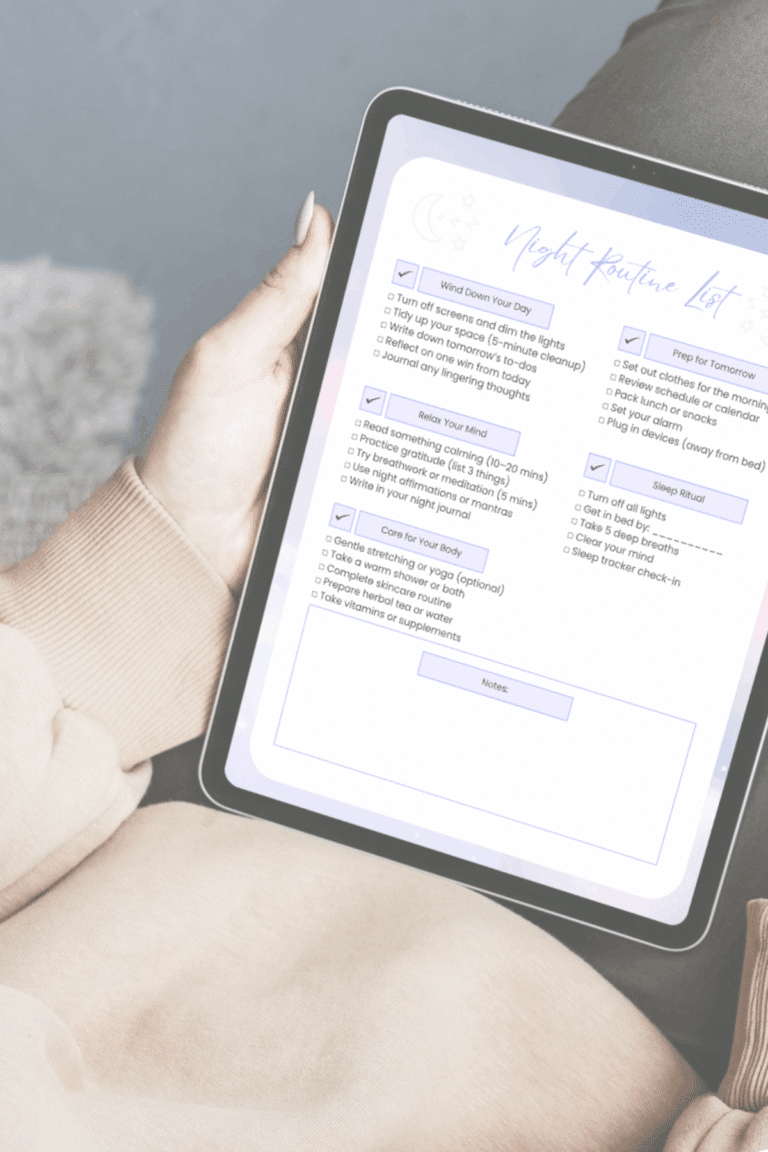
Need more ways to relax at night? Grab a free printable night routine list below, and we’ll send it straight to your inbox.
Your Turn
Now I’d love to hear from you!
Do you have a favorite screen-free hobby that helps you relax before bed?
Are you an adult coloring fan, a knitter, a puzzle lover, or have you discovered another calming activity that helps you unwind at the end of the day?
Share your favorite relaxing bedtime hobbies in the comments below.
Your ideas may inspire someone else who’s looking for simple ways to reduce screen time, create a more peaceful nighttime routine, and enjoy better sleep.
RELATED POSTS:
- Best Evening Routine for Better Sleep: Simple Habits That Work
- Relaxation Exercises for Sleep That Calm a Busy Mind
- 15+ Free Sleep Printables for Better Rest (Sleep Tracker, Brain Dump, Habit Tracker & More)
- 25+ Best Self Care Gifts for Women to Get Cozy, Relax, and Sleep Better
- 20+ Best Self Care Gifts for Men for Better Sleep
- Cozy Bedroom Color Palette Ideas for Better Sleep
- Sleep Mask: Silk, Cooling, DIY, Cute, and More to Rest Better Tonight
- Peaceful Bedroom Ideas to Create a Tranquil Space for Better Sleep
- 28+ Cozy Self Care Gifts for Better Sleep
- Cozy Bedroom Ideas for Better Sleep: Easy Tips to Create a Sleep Sanctuary
- Top 15 Bedroom Essentials: My Must Have List for Better Sleep
- The Best Sleep Investment I’ve Ever Made (and Why It’s the BedJet Sleep System)
- How to Build a Sleep Routine That Actually Works
- How To Choose The Right Size Of Mattress Buying Guide
- How to Choose the Best Bed Pillow For Sleeping (Tips From an Expert)
- Fall Sleep Essentials to Make Your Bedroom Extra Cozy This Autumn Season
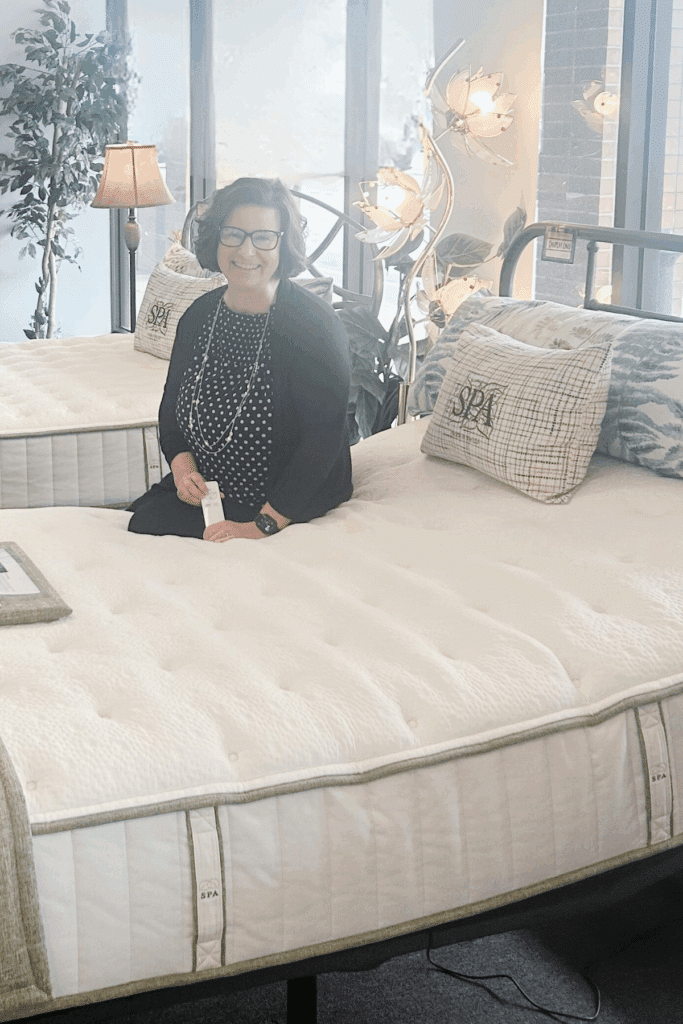
Hi, I’m Debbie, general manager of a mattress store chain with 25+ years helping people improve their sleep quality. At Sweet Sleep Tips, I share natural, practical sleep solutions, calming bedtime habits, and printable tools to help you fall asleep faster and wake up refreshed. My goal is to make better sleep simple, healthy, and stress-free.
Follow me on Pinterest, Instagram, and Facebook to stay up to date with all the latest Sweet Sleep Tips.



Thank you for these relaxing activities ideas to help a person sleep well. Reading is my go-to relaxation activity before bed, and it works well. Now I just need to learn how to relax and go back to sleep when I wake up in the middle of the night.
These are some great ideas for a person to relax for bed time. I’ve done a few of these and they do work.
These are all such great tips. Reading is definitely a great way to relax. I also like to journal too. that helps clear my mind.