

How to Know When to Replace Mattress (Tips from a Mattress Expert)
Are you tired of waking up sore, tossing and turning each night, or never feeling fully rested in the morning? If so, I’ve got you covered with expert advice on how to know when to replace your mattress—before it starts taking a toll on your sleep quality and your health.
I may earn a small commission for affiliate links in this post at no extra cost to you. Please read my privacy policy and privacy page for more information. As an Amazon Associate, I earn from qualifying purchases.

Knowing when to replace your mattress isn’t always as simple as looking at its age.
Over my 25 years of helping customers in the mattress showroom, I’ve seen countless people struggle with aches, restless nights, and frustration—all because their mattress wasn’t giving them the support they needed anymore.
I love guiding people through the signs to watch for, so they can confidently upgrade to a bed that helps them sleep better, wake refreshed, and feel their best every day.
To help you understand how to know when to replace mattresses, I’m sharing the key tips and insider advice I give my customers to know exactly when it’s time to say goodbye to your old mattress.
So, are you ready to learn the signs for replacing an old mattress?
Great! Grab a snack, settle in, and let’s get into it!
How Long Should a Mattress Last Before You Replace It?

If you want a fast rule of thumb, most mattresses last about 7 to 10 years before they start to lose support.
However, in my store, we currently have some higher-quality models that come with a 20-year warranty, but very few beds feel great beyond that, especially if they get daily use.
On the flip side, we also have mattresses geared for guest bedrooms or temporary usage with a one-year limited warranty.
So, as you can see, it’s a long-range lifespan and durability.
Your mattress’s lifespan depends on what it is made of, how heavy the sleepers are, how many people use it, and how you care for it.
A cheap mattress that takes a beating in a humid room will age much faster than a solid, well-supported mattress that you rotate monthly.

Keep in mind, you do not need to panic the moment your bed hits year 8.
As I tell my customers, the age of a mattress is just a hint, not the full story.
Time is just one of many clues.
The real answer comes from how the mattress looks, feels, and affects your body every morning.
Average Mattress Lifespan By Type

Different mattress types wear out at different speeds, and can also depend on the exact components of the bed.
Here is a simple, generic guide.

As you can see, innerspring beds tend to age faster, since the metal coils and thin comfort layers break down under pressure.
Memory foam and hybrid beds usually last a bit longer, but soft foams can show body impressions over time.
Latex is the durability winner.
It is naturally springy and dense, so it resists deep dips better than most other materials.
That does not mean every latex bed will feel perfect for 20 years, but it does explain why many people keep them longer.
Factors That Make Your Mattress Wear Out Faster

You cannot change the basic materials of your current mattress, but you can control some of the daily stress it takes.
These everyday habits can shorten its life:
- Higher body weight or more sleepers means more pressure on the same area every night.
- Kids or pets jumping on the bed puts sudden, intense strain on coils and foam.
- No mattress protector lets sweat, spills, and dust get into the layers, which can break down materials.
- Poor frame or slats can bend or sag, so the mattress loses support from underneath.
- Humid rooms soften foam and encourage mold or mildew.
- Not rotating the mattress enough keeps all the wear in one spot.
A few small changes, like using a protector, rotating your mattress every 1-3 months, and checking your frame, can help your current bed hold up longer.
Clear Signs Your Mattress Is Worn Out and Hurting Your Sleep

Now for the part that really matters to your body and sleep quality.
Think of this section as a checklist.
If several of these feel familiar, your mattress is likely past its prime, and you’re ready to test a new mattress.
Your Body Feels Worse in the Morning than at Night

You go to bed with mild tension and wake up feeling like you slept on a park bench.
Morning back pain, a stiff neck, sore hips, or numb arms are strong clues that your mattress is not supporting you well.
Pay attention to what happens after you get up.
If the pain fades after 30 to 60 minutes of moving around, stretching, or showering, that points straight at the mattress.

Your spine probably sagged out of alignment while you slept, so your muscles had to work all night to hold you in place.
If your muscles can’t relax, you don’t have quality sleep, and lots of strain on your overall body.
Because of this, pain that appears or peaks in the morning, then eases as the day goes on, is one of the clearest signs that your mattress needs to be replaced.
Visible Sagging, Lumps, or Dips Where You Sleep

You should not see an enormous body-shaped groove in your bed.
That sounds obvious, but many people ignore it because they have slowly adjusted over the years.
Sagging often looks like:
- A dip in the middle of the bed
- A trench where each person sleeps
- Little hills and valleys across the surface
You can test it with a straight broom handle or a long ruler.
Lay it across the mattress and look for gaps between the surface and the handle.
If you can see a dip of about 1.75 to 2 inches or more, your lower back is probably sinking too far when you lie down.
Lumps in the comfort layers are another warning sign.
They show that foam or other materials inside have shifted or broken apart, which leads to uneven support and pressure points.
You Toss, Turn, and Wake Up During the Night for No Clear Reason

If you go to bed tired but feel like you are fighting with your mattress all night, something is off.
A worn-out bed may be too soft, too firm, or simply uneven.
Your body keeps shifting, hunting for a position that feels safe and supported.
Signs of this include:
- You change positions a lot more than you used to.
- You tug at the sheets or flip your pillow, trying to get comfortable.
- You sometimes give up and move to the couch or a different bed.
Restless sleep usually means you spend more time in lighter stages of sleep and less time in deep, restorative sleep.
A poor mattress will not always wake you up fully, but it can keep pulling you toward the surface of sleep so your brain and body never get that deep reset.
Your Mattress Makes Noise

Noises are not just annoying; they are little alerts that parts of your sleep setup may be worn or broken.
If you hear creaks or squeaks when you move, that can mean:
- Coils in an older innerspring mattress are worn or bent.
- The box spring is cracked or tired.
- The bed frame or slats are loose.
A mattress that wobbles, slides, or tilts when you sit on the edge is another red flag.
Unstable support under the mattress often leads to faster sagging and uneven pressure on your body.
When you check for noises, look at the whole system, not just the mattress.
I recommend my customers take the mattress and boxspring off the bed, and then check the frame.
If the noise isn’t coming from there, add the boxspring (they usually go bad first!) and check that, and then the mattress last to determine the exact cause of the sound.
You Sleep Better on Other Mattresses

I often have customers come into my store after vacation and tell me how great they slept.
Sure, you might be super relaxed on vacation, but if you come home after sleeping soundly for a week away and can’t rest, your mattress might be the reason.
If you also sleep great while:
- Visiting a family or friend
- Used the guest room bed
- Slept on a decent air mattress
- Your couch felt good
Then, these are all signs that you struggle to sleep well in your own bed, and your mattress is the likely problem.
When It Might Not Be the Mattress: Other Sleep Problems to Rule Out

It is easy to blame the mattress for every rough night.
While your bed plays a big role, it is not the only factor.
Looking at the bigger picture helps you make a smarter decision and saves you from buying a new mattress that does not fully solve the problem.
Body Changes, Injuries, and Medical Issues

Your body is not frozen in time.
It changes across months and years, and those changes can shift what feels comfortable and supportive to your body.
Some common examples:
- Weight gain or loss, which changes the pressure on your joints.
- A new workout routine or job that adds strain to your back or shoulders.
- Injuries, like a herniated disc, pulled muscle, or torn ligament.
- Chronic conditions, including arthritis or fibromyalgia.
- Sleep apnea or breathing issues that disrupt rest.
Ask yourself a simple question: Does the pain or discomfort show up during the day, too, not just after sleep?
If your back hurts while you sit, stand, and walk, then you may have a medical issue that needs care, along with a better mattress.
When in doubt, talk with your doctor, a physical therapist, or a sleep specialist, especially if pain is sharp, new, or getting worse.
Sleep Habits and Bedroom Setup That Can Make You Feel Tired

Even the best mattress cannot fully fix poor sleep or bedtime habits.
Some small patterns can quietly drain your rest.
Watch for habits like:
- Scrolling on your phone or watching TV in bed.
- Caffeine late in the afternoon or evening.
- A bedroom that is too bright, too loud, or too hot.
- Going to bed and waking up at very different times each day.
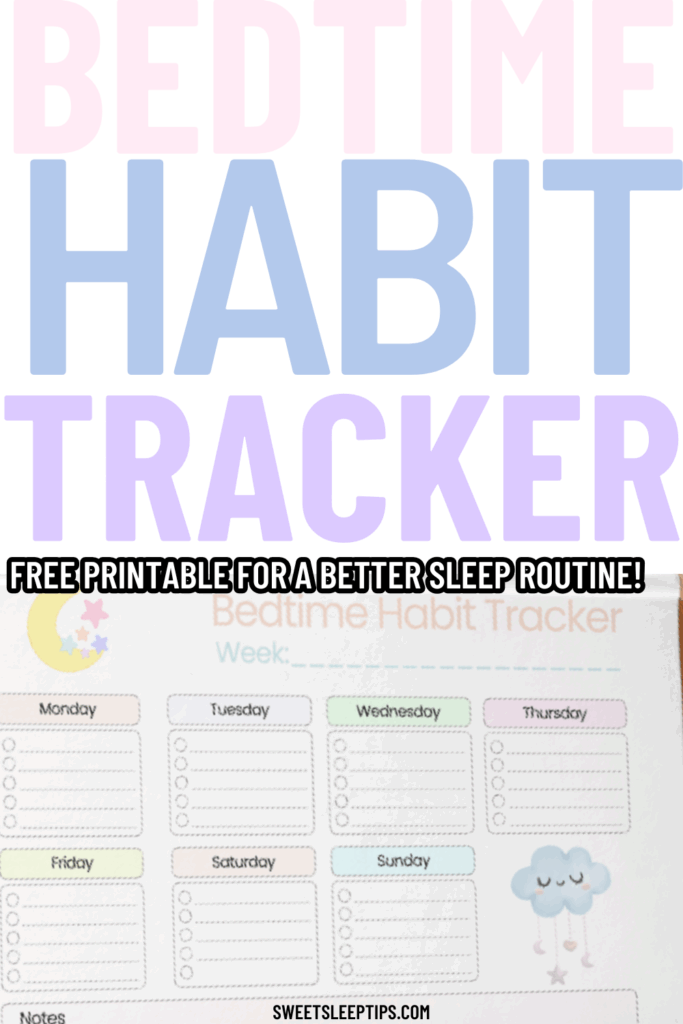
Try using a free printable bedtime habit tracker for a week.
Also, keep screens out of bed, cut caffeine after mid-afternoon, aim for a cooler room, and keep a more steady sleep schedule.
If your sleep improves a lot, the mattress may only be part of the puzzle.
A Quick Self-Check to Tell if it is Likely the Mattress

Here is a short checklist you can walk through in your head:
- Your mattress is older than 7 to 10 years.
- You see sagging, dips, or lumps.
- You wake with new or worse morning pain that eases after you move.
- You sleep better on other beds.
- You often wake up at night from discomfort, not from noise or stress.
If you say yes to several of these, the mattress is probably a major factor.
To confirm, try sleeping for a few nights on a different, firm, flat surface, like a quality air mattress, a guest bed, or even a supportive sofa.
If your sleep and pain improve there, your own bed is the weak link, and it’s time to shop for and test a new mattress.

Final Thoughts
Knowing when to replace your mattress can completely transform your sleep and overall well-being.
Over my decades in helping customers at my mattress store, I’ve seen how worn-out beds can silently cause aches, restless nights, and even affect mood and energy levels.
Paying attention to the signs—sagging, lumps, allergies, or chronic discomfort—ensures you’re investing in a mattress that truly supports your body and gives you the restorative sleep you deserve.
Keep in mind, a mattress isn’t just furniture; it’s a cornerstone of healthy, rejuvenating sleep.
Need more ways to unwind for better sleep each night? Grab the free printable night affirmations below, and we’ll send them straight to your inbox!
Your Turn
Now it’s your turn! Do you have any questions on how to know when to replace your mattress? Drop them in the comments below!
RELATED POSTS:
- How to Test a Mattress Before Buying in Store (Expert Guide)
- Ultimate Mattress Buying Guide: Expert Tips to Find Your Perfect Night’s Sleep
- How to Choose the Best Bed Pillow For Sleeping (Tips From an Expert)
- Why Buy a Mattress Protector: What Most Mattress Shoppers Don’t Realize
- How to Choose the Right Mattress Type for Better Sleep
- How to Choose the Correct Mattress Firmness From a Mattress Pro
- How To Choose The Right Size Of Mattress: Buying Guide
- Best Bed Sheets for Hot Sleepers: What to Buy to Stay Cool and Sleep Well
- Find the Best Mattress Topper for Your Sleep: Memory Foam, Latex, Cooling, and More


Hi, I’m Debbie, general manager of a mattress store chain with 25+ years helping people improve their sleep quality. At Sweet Sleep Tips, I share natural, practical sleep solutions, calming bedtime habits, and printable tools to help you fall asleep faster and wake up refreshed. My goal is to make better sleep simple, healthy, and stress-free.
Follow me on Pinterest, Instagram, and Facebook to stay up to date with all the latest Sweet Sleep Tips.






Such a helpful guide. I never realized how many little signs can point to a mattress wearing out before you see the obvious stuff. Your expert tips make it so much easier to figure out what’s going on and when it’s time for an upgrade. Saving this for later.
Great tips! I never realized how many small signs can point to a worn-out mattress. Super helpful and a good reminder to check mine!
Great tips! I didn’t realize how much factors like sagging, lumps, and changes in sleep quality can signal it’s time for a new mattress. The expert advice makes it so much easier to know when to replace it without second-guessing. Definitely bookmarking this for the next mattress shopping trip!
A lot of people probably don’t connect their sleep problems to an aging mattress, and this explains why. The small details like dips or morning stiffness make so much sense once they’re pointed out. It’s a great reminder of how important a good mattress really is.
It has been a while since we replaced our mattress! good information for determining when it’s time. Thanks for sharing your expertise!
I found this to be so helpful! Finding a good mattress is one of the hardest things to do! I will be referring to this guide once it’s time to replace ours.
Thank you for these helpful tips about how to know when to replace a mattress. I always appreciate your charts, as I’m a visual learner. My memory foam mattress is probably going to need to be replaced soon!
Your guide on knowing when to replace your mattress is so helpful! I especially appreciate the checklist–it removes all of the guesswork. Thanks so much!
Wow. This is so helpful. Looks like I need to think about a new mattress.