
How To Sleep With Wet Hair the Right Way (No Frizz, No Stress)
Have you ever woken up with frizz, flat spots, or hair that feels impossible to fix? Do you feel like it usually starts with sleeping on wet hair the wrong way? No worries, I’ve got you covered! Keep reading to learn how to sleep with wet hair without damage or messy mornings—tips that work for straight, wavy, and curly hair (like me!) so you can wake up with hair that’s actually manageable.
I may earn a small commission for affiliate links in this post at no extra cost to you. Please read my privacy policy and privacy page for more information. As an Amazon Associate, I earn from qualifying purchases.

If you’ve ever gone to bed with wet hair and woken up to frizz, flat spots, or hair doing its own thing, you’re not alone.
As someone with naturally curly hair, I’ve tried just about every possible way to sleep to make my curls look better in the morning!
You name it, from plopping and pineapple buns to silk pillowcases and late-night air drying.
So, along the way, I realized that how you sleep with wet hair can make a huge difference, not just for curls, but for straight, wavy, and curly hair alike.
After plenty of trial and error (and a few bad hair mornings), I wanted to share what actually works when it comes to how to sleep with wet hair without damaging it or ruining your style overnight.
Whether you’re trying to protect your curls, reduce frizz, or simply wake up with hair that’s easier to manage, these tips are simple, sleep-friendly, and realistic for real life.
So, are you ready to find your perfect way to sleep with wet hair?
Great! Grab a snack, settle in, and let’s get into it!
Is it bad to sleep with wet hair? What can actually happen

Sleeping with wet hair isn’t automatically “bad,” but it can stack the odds against you.
Wet hair is more fragile, your pillow adds friction, and trapped moisture can bother your scalp.
Your room temp, how wet your hair is, and what you sleep on all play a role.
If you do it once in a while, you’ll probably be fine.
If you do it often, small issues can build up, like rough ends or a flaky scalp that came out of nowhere.
Hair damage risks, frizz, tangles, and split ends

Wet hair stretches more than dry hair.
That’s normal, but it also means it can snap easier, especially at the ends where hair is older and drier.
Add a night of tossing and turning, and you get friction, knots, and that fuzzy “halo” look.
Cotton pillowcases are a common culprit because they grab hair.
Loose hair rubbing across the pillow all night can also rough up the cuticle (the outer layer), which shows up as frizz and dullness.
Here are a few signs I watch for when wet-hair sleep isn’t working:
- I wake up with more shedding on my pillow than usual.
- My ends feel rough, crunchy, or look thinner.
- I’m getting stubborn knots near the nape or behind the ears.
- My hair looks puffy, even when it’s “clean.”
None of this means you can never go to bed with damp hair (I certainly do a few times a month!).
It just means you need a plan that reduces stress on the hair while it dries.
Scalp and skin concerns, itch, flakes, and acne around the hairline

A damp scalp sitting on a pillow for hours can irritate some people.
If your scalp is oily, you deal with dandruff, or you have eczema, moisture can make things feel worse.
Sometimes it’s not even your scalp, it’s your skin.
A wet hairline against your face can lead to breakouts for some people, especially if your pillowcase isn’t fresh.
Also, damp pillows can start to smell musty over time, and they’re more likely to collect sweat, product, and bacteria.
That doesn’t mean you’ll get an infection from wet hair, but it can be a factor if you’re already prone to itch, flakes, or scalp bumps.
If you have persistent itching, redness, sores, patchy hair loss, or pain, it’s time to talk to a dermatologist.
Home tips are for normal frizz and tangles, not ongoing scalp problems.
The safest way to sleep with wet hair, a step-by-step routine

When I know I have to sleep with damp hair, I follow one main rule: I try to get it to about 70 to 90 percent dry before my head hits the pillow.
After that, I focus on slip and protection, so my hair dries with less rubbing and less tangling.
This routine is simple enough to do on a regular night, even when I’m tired.
Get it mostly dry first, quick methods that take 5 to 15 minutes

The first few minutes after a shower make the biggest difference.
If my hair is dripping when I get into bed, I’m asking for frizz and a damp pillow.
This is what I do:
1) Squeeze, don’t twist. I gently squeeze water out in sections. Twisting and wringing can stress the hair, especially at the ends.
2) Blot with a microfiber towel or soft T-shirt. I press and blot, I don’t rub. Rubbing is a fast way to create tangles and frizz, even before I’m in bed.
3) Comb only if I need to. Since my hair tangles easily, I use a wide-tooth comb with patience. I start at the ends and work up. If it’s already behaving, I skip combing and use my fingers.
4) Let it air-dry while I do my night routine. I’ll brush my teeth, do skincare, pick out clothes for tomorrow. Ten minutes of air time helps more than you’d think.
5) If I use a blow dryer, I keep it gentle. Low or cool air is my go-to. I focus on the roots and scalp first, because that’s what stays damp the longest. I stop when my hair is damp, not dripping.
If you’re trying to avoid heat completely, just prioritize drying the scalp area with blotting and air time.
A damp scalp causes more discomfort than damp ends.
Use the right leave-in products, less is more on damp hair

When hair is damp, it’s easy to overdo products.
Too much can keep hair wet longer, make roots greasy, and leave your pillowcase feeling weird.
Here’s what works for me:
- Lightweight leave-in conditioner or detangler: I use a small amount for slip, mostly from mid-length to ends.
- A tiny touch of oil on the ends only: This helps if my ends are dry. I’m talking a drop or two warmed between my palms. Oil on the scalp can trap moisture and make things itchier for me.
- Curl cream or mousse (optional): If I want definition, I use it while my hair is damp, not soaking. I keep it away from the scalp so my roots can dry.
If my hair is still very (very!) wet, I go lighter.
If it’s closer to that 80 percent dry mark, I can use a bit more product without slowing down drying time.
Protect hair overnight, best styles for wet or damp hair

Nighttime hairstyles are about one thing: low tension. I want my hair contained, but not pulled tight.
These are my favorites:
- Loose low braid: Simple, comfortable, and it keeps hair from matting at the back.
- Two loose braids: Great if I want soft waves in the morning.
- Loose pineapple for curls: When I had longer hair, I would gather my curls high and secure with a soft scrunchie, so they don’t get crushed.
- Soft scrunchie bun (only when mostly dry): I only did this if my hair is closer to dry than damp (and longer), or the bun stays wet for hours.
What I avoid:
- Tight ponytails that pull at the hairline.
- Rubber bands that snag and snap strands.
- Sleeping with hair trapped under my neck or under my shoulders. I try to sweep it up and back before I settle in.
Best pillowcases, towels, and covers to prevent frizz and breakage
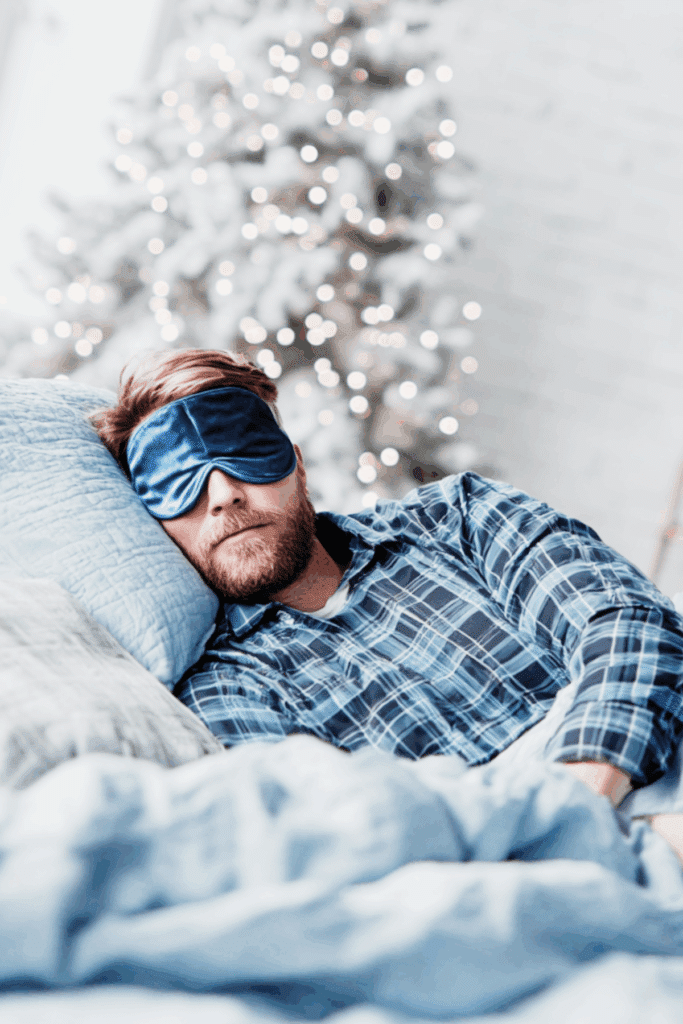
If you’ve ever woken up with one side smooth and the other side frizzy, your bedding might be the reason.
Hair and fabric are in contact for hours.
That’s a lot of time for friction to mess with texture.
I focus on two goals: reducing rubbing and keeping the pillow from staying damp.
Satin or silk pillowcases, bonnets, and scarves, what works best for me
Satin and silk help hair slide instead of snag.
That usually means less frizz and fewer tangles in the morning.
Silk is lovely, or try satin, which is often more affordable and still helpful.
My personal picks:
- A satin pillowcase is the easiest swap.
- A satin bonnet when I really want to protect my hair (and keep product off my pillowcase).
- A satin scarf when I’m traveling or want something adjustable.
A few things that make a difference:
- I keep it secure but not tight. If it leaves a mark or gives me a headache, it’s too tight.
- I wash bonnets and pillowcases often, because hair products and skin oils build up fast.
- If a bonnet slides off at night, I don’t fight it forever. Sometimes a satin pillowcase is the better choice for me.
Keep my pillow dry, simple hacks to avoid mildew smell
If I’m sleeping with damp hair regularly, I treat pillow freshness like part of hair care.
A pillow that stays wet too often can start to smell musty, and it’s not great for skin either.
These are my no-fuss hacks:
- I place a clean, dry microfiber towel over my pillow if my hair is wetter than I’d like.
- I keep a spare pillowcase nearby, so I can swap it out quickly.
- If my pillowcase gets damp, I let it dry during the day, or I toss it in the laundry and grab a fresh one.
And I try not to go to bed with soaking hair.
That’s the line I don’t cross unless there’s no other option.
Quick tips by hair type and common problems

This is the part I wish I had years ago, because “sleep with wet hair” advice can be too general.
Small tweaks based on hair type can change everything.
Straight or fine hair, how to avoid flat roots and oily scalp

Straight or fine hair can look limp fast if the roots stay wet too long.
A fix is simple: dry the roots more than the ends.
What to do:
- Blot the scalp area extra well and, if needed, use a blow dryer on low for a minute or two.
- Use a very light leave-in, and keep oils away from the scalp.
- If hair is mostly dry, clip it loosely at the crown for a bit of lift (not tight, and not while it’s dripping).
In the morning, just shake out your hair and move the part.
If it’s oily, a small amount of dry shampoo at the roots helps, but don’t use it to cover up a consistently damp scalp.
Curly or coily hair, how I keep a curl shape while sleeping with damp hair

I have curly hair, so I know the struggle: go to bed damp, wake up with curls that look like they got into a fight overnight.
My best results come from setting curls while damp, then protecting them while they finish drying.
What works for me:
- I apply my styling product while my hair is damp, then gently scrunch.
- I do a short plop with a microfiber towel or soft T-shirt, just long enough to remove extra water.
- Once my hair was mostly dry (when I had long hair), I would use a loose pineapple and a satin bonnet, or I would have a couple of loose braids or twists.
In the morning, I don’t brush dry curls.
I refresh with a light water mist and a small amount of leave-in, then I scrunch and let it settle.
Common issues: frizz, knots, headaches, and waking up with cold damp hair

These are the problems that make people swear off sleeping with wet hair.
I’ve dealt with all of them, and they usually come from a few fixable habits.
Frizz: Get more water out before bed, switch to satin, and avoid rubbing with a rough towel.
Knots and tangles: Detangle gently before sleep, add a little leave-in for slip, and use a loose braid or pineapple to keep hair contained.
Headaches: Most headaches come from tight styles, not wet hair. Loosen your scrunchie, skip high tension, and don’t sleep on bulky clips.
Waking up cold with damp hair: If my hair stays wet for hours, I feel chilled. I dry my roots more, turn down the fan, or raise the room temp a bit. Even a few minutes of gentle drying before bed can fix this.

Final Thoughts
As you can see, sleeping with wet hair doesn’t have to lead to frizz, breakage, or stressful mornings.
With a few simple adjustments and the right techniques, you can protect your hair overnight and wake up with hair that looks healthier and feels easier to manage.
After trying lots of these tips myself (through plenty of trial and error!), I’ve found they really do make a noticeable difference.
Need some more sleep help? Grab a free printable sleep hygiene checklist below, and we’ll send it straight to your inbox!
Your Turn
Now it’s your turn to give these tips a try and see what works best for your hair and sleep routine. Start with one or two methods and adjust as needed—everyone’s hair is different. If you have a favorite way to sleep with wet hair or a tip that’s worked well for you, I’d love for you to share it in the comments below.


RELATED POSTS:
- Sleep Hairstyles You’ll Want to Start Wearing Tonight for Better Hair Tomorrow
- How to Sleep With Wet Curly Hair Without Waking Up to Frizz
- Cute Night Hairstyles for Sleep for Curly, Straight, or Wavy Hair
- Bedtime Hairstyles for Sleep: Protect Your Hair Without Losing Comfort
- Protective Hairstyles For Sleeping for Curly, Wavy, and Straight Hair
- How to Sleep With Curly Hair: Easy Tips for Curly Hairstyles
- Sleep Meditation: Simple Guide for Better Rest
- Night Routine List for Better Sleep [Free Printable + Simple Steps]
- Bedtime Habit Tracker: Free Printable for a Better Sleep Routine
- How to Build a Sleep Routine That Actually Works
- Sleep Hygiene Tips That Work [Free Printable Checklist Included]
Hi, I’m Debbie, general manager of a mattress store chain with 25+ years helping people improve their sleep quality. At Sweet Sleep Tips, I share natural, practical sleep solutions, calming bedtime habits, and printable tools to help you fall asleep faster and wake up refreshed. My goal is to make better sleep simple, healthy, and stress-free.
Follow me on Pinterest, Instagram, and Facebook to stay up to date with all the latest Sweet Sleep Tips.