
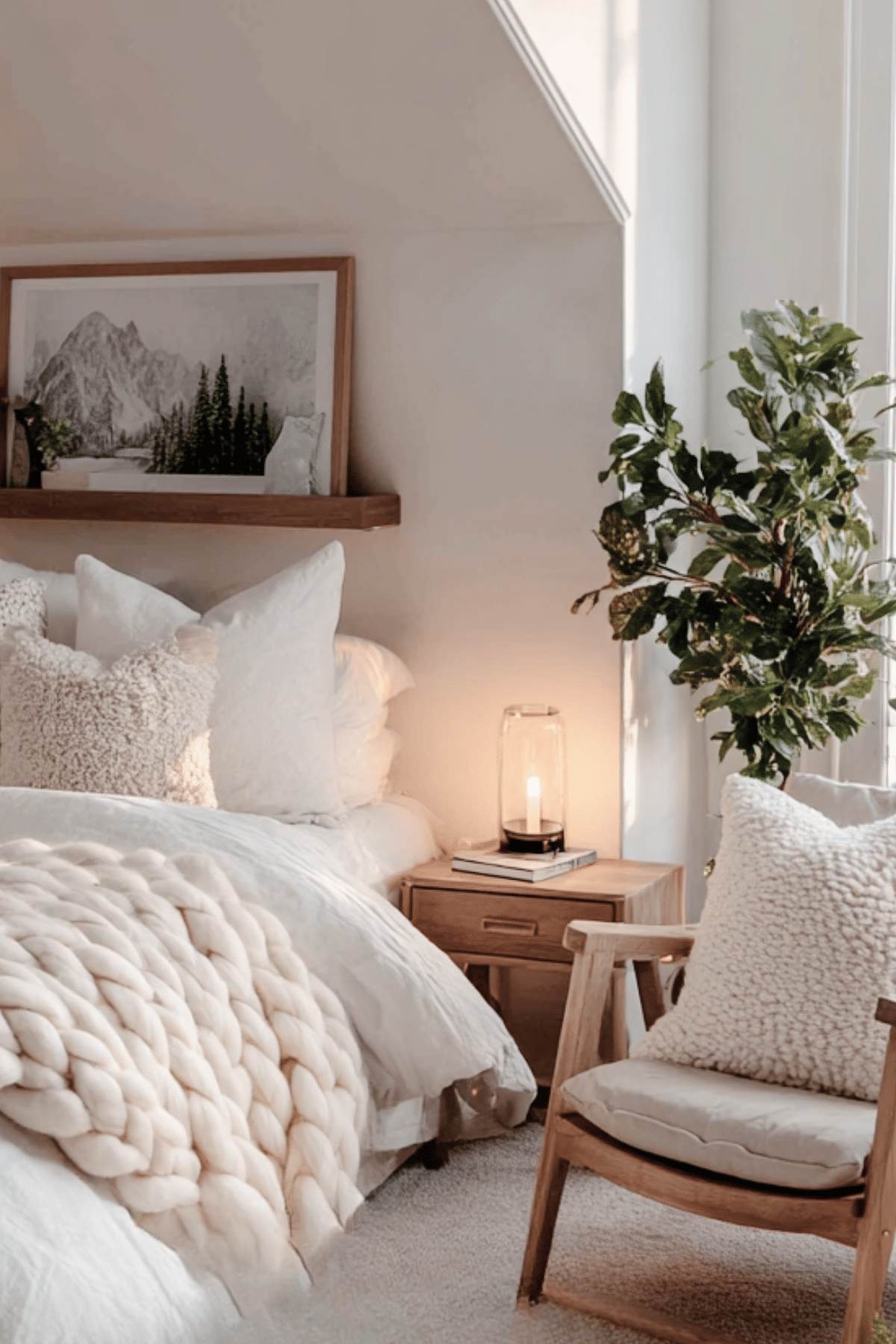
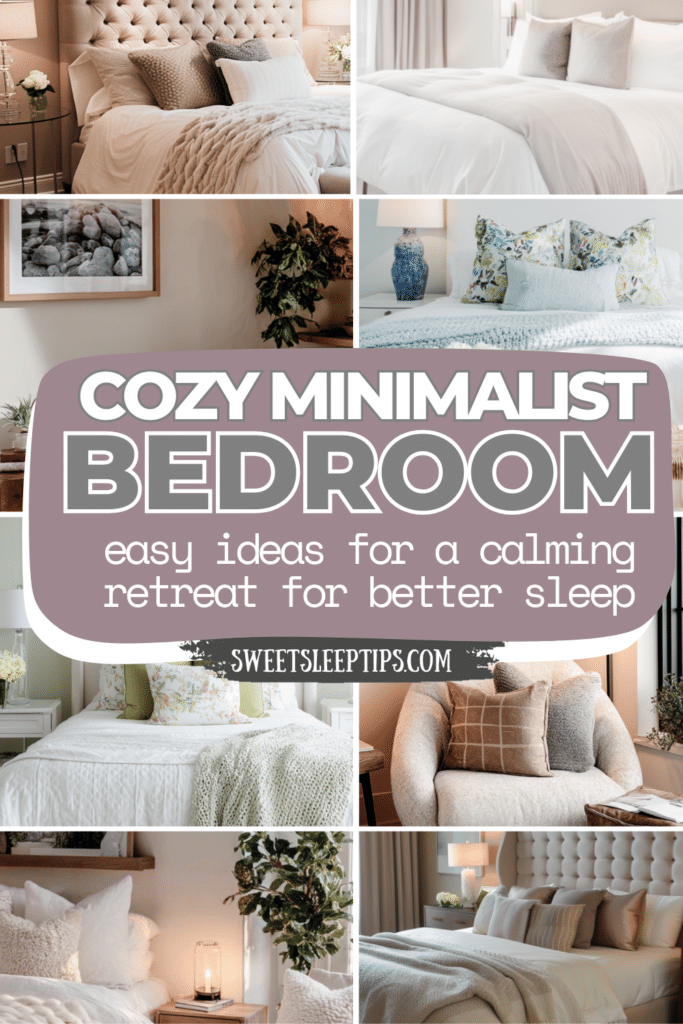
Cozy Minimalist Bedroom: Easy Ideas for a Calming Retreat and Better Sleep
Do you ever walk into your bedroom and think, “It’s nice… so why can’t I relax?”
Maybe the room looks fine, but your mind is still racing, or you find yourself noticing little things that need to be moved, cleaned, or put away.
If that sounds familiar, creating a cozy minimalist bedroom might be the simple shift you need for a calmer space and better sleep.
After many years in the mattress and sleep business, if there’s one thing I truly believe, it’s that great sleep starts long before your head hits the pillow.
Creating time and space to wind down at the end of the day is so important, and your bedroom should feel like a peaceful retreat where your mind and body can finally relax.
Over time, I’ve learned that when a bedroom feels cluttered or busy, it can quietly make it harder to settle down and drift off.
That’s where a cozy minimalist bedroom can make such a difference.
Instead of filling your space with more things, the goal is to keep what truly supports your rest while removing the little distractions that add friction to your environment.
Minimalism doesn’t mean your bedroom has to feel empty or cold.
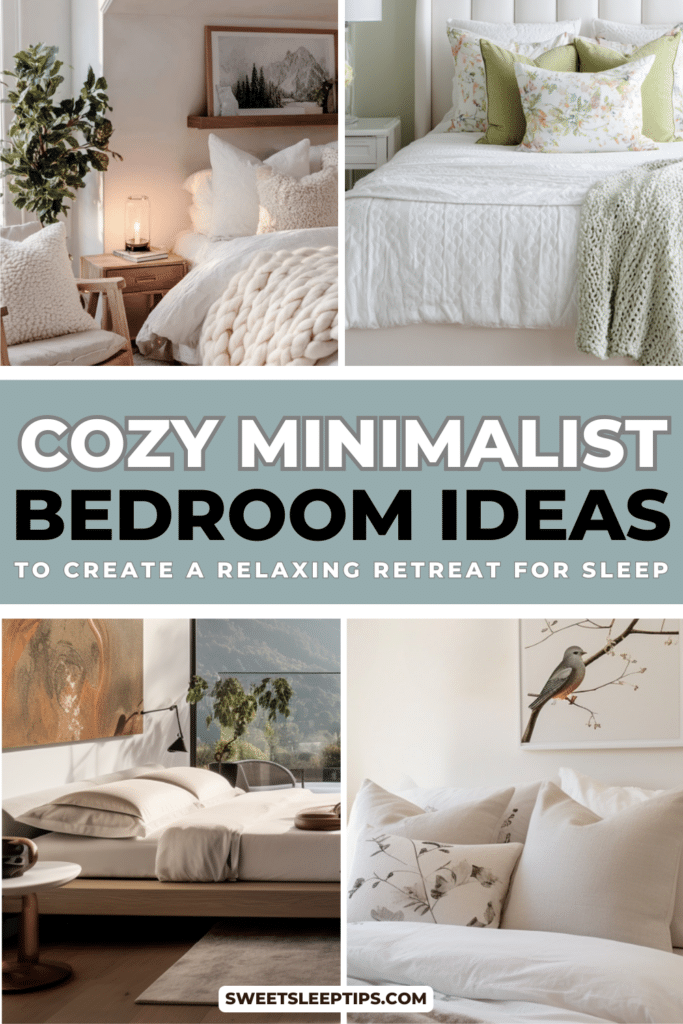
In fact, the best cozy minimalist spaces feel warm, calm, and inviting — like a true sleep sanctuary designed to help you relax and recharge.
The good news is that you don’t need a big budget or a complete makeover to create this kind of calming retreat.
A few simple resets can completely shift the mood of your space.
To help you create a bedroom that is calming and minimalist, I’ll cover four key areas that make the biggest impact: decluttering, layout and storage, color and texture, and lighting with sleep-friendly finishing touches to help turn your bedroom into the cozy, restful sanctuary you deserve.
So, are you ready to create your own cozy minimalist bedroom?
Great! Grab a snack, settle in, and let’s get into it!
I may earn a small commission for affiliate links in this post at no extra cost to you. Please read my privacy policy and privacy page for more information. As an Amazon Associate, I earn from qualifying purchases.
Start With Less, So Your Room Can Feel Like a Reset
Minimalism works best when it matches real life.
Your bedroom still has to handle laundry, charging, getting dressed, and those days when you’re tired.
So instead of chasing a “perfect” look, aim for a room that feels easy to maintain.
Start by choosing a simple standard: clear surfaces, clear paths, and a few items that feel personal.
When your eyes don’t have to hop from pile to pile, your body reads the room as safe and quiet.
That matters at night, because stress loves visual noise.

Next, decide what your bedroom is for.
Sleep and recovery come first.
Getting ready comes second.
Storage belongs, but only if it’s contained.
Work papers, random tools, and half-finished projects usually don’t help you rest, even if they seem harmless.
A good rule is to make the room “one-step tidier” than your normal.
If you try to go from cluttered to spotless in one day, you’ll burn out.
If you go from cluttered to calm enough, you’ll keep going tomorrow.
You’re not getting rid of everything.
You’re making space for what you want to feel when you close the door.
Do a 15-minute “Clear the Surfaces” Sweep That Makes an Instant Difference

Set a timer for 15 minutes and move fast.
You’re not organizing yet, you’re resetting the scene.
Here’s a simple sweep that works in almost any bedroom:
- Nightstand top: Remove everything, then put back only what you use nightly.
- Dresser top: Clear the “landing strip” where small items multiply.
- Floor: Pick up clothes, bags, and shoes so your feet meet open space.
- Chair pile: If a chair has become a closet, deal with it first.
Now add a “keep-out” rule for the nightstand.
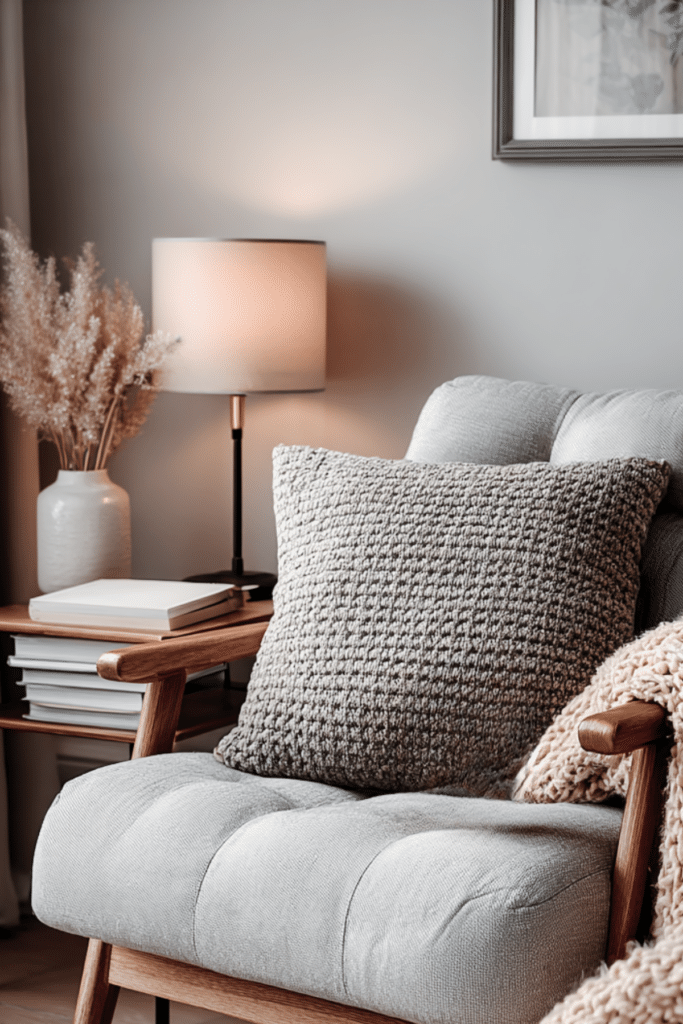
Limit it to a lamp, one book, water, and one personal item (a framed photo, a small bowl, a smooth stone).
That’s it. If you need more, store it in a drawer.
To make it look intentional, use a small tray to group your essentials.
A tray works like a picture frame for your stuff.
Even a cheap one makes the area feel tidy because items stop spreading.
If you only do one thing today, clear the nightstand. You’ll feel the difference tonight.
Edit Your Decor, Keep Meaning, Not Clutter
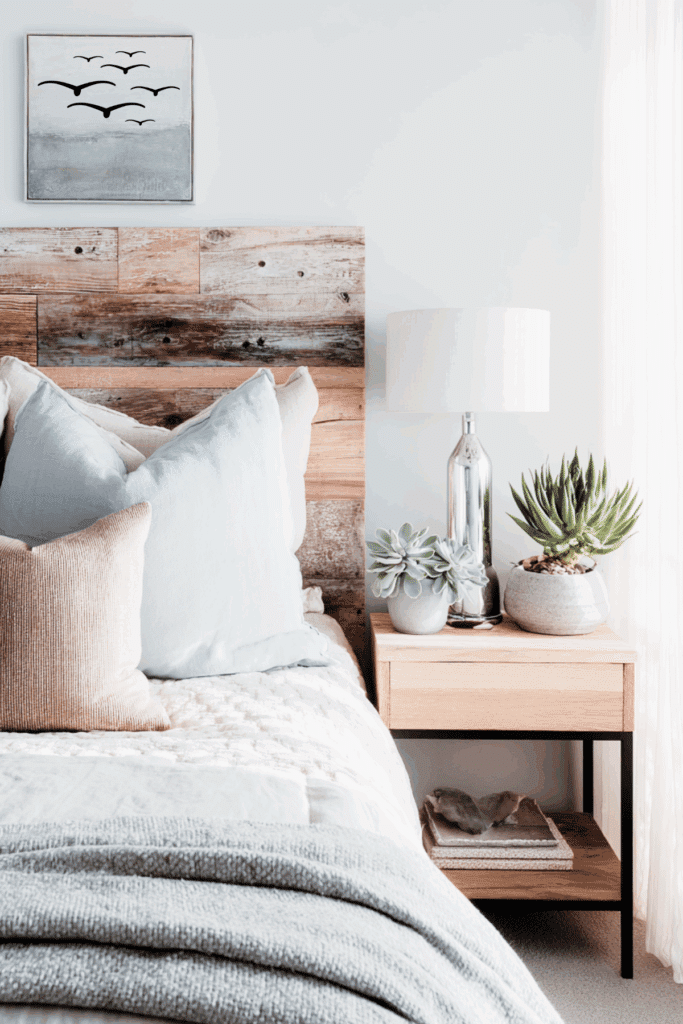
Decor should soothe you, not demand attention.
In a cozy minimalist bedroom, each piece earns its place.
Try two simple rules that keep things warm and minimal:
First, pick one wall, one focal piece.
That could be a larger art print, a framed photo you love, or a textile wall hanging in a calm tone.
When you stop scattering small frames everywhere, your room feels quieter right away.
Second, keep two to three materials max in your main view.
For example, wood plus linen plus ceramic.
Or black metal plus cotton plus a plant.
Too many finishes can make the room feel busy, even if each item is “pretty.”
If your shelves or dresser hold lots of tiny objects, reduce the number.
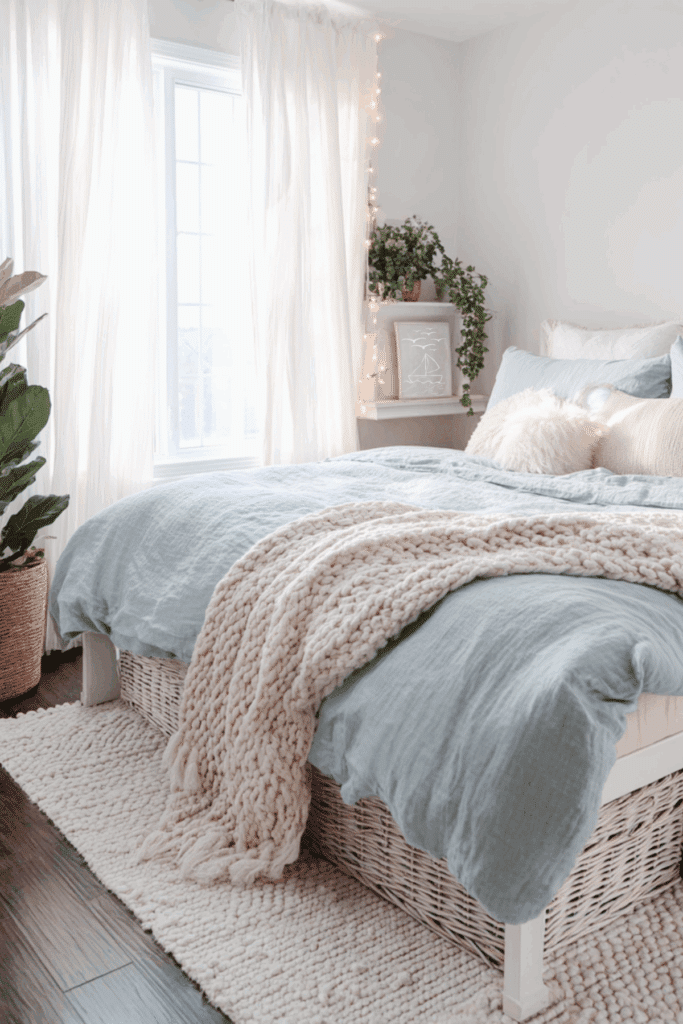
Keep a plant (or one sculptural object) and one meaningful photo.
Then give them space around them.
Space is part of the decor.
Also watch for sneaky clutter.
Extra small frames, busy patterns, and too many throw pillows add “visual chatter.”
If you like pillows, keep the best few and store the rest.
Your bed will still look inviting, and you’ll stop fighting them every night.
Choose Calming Colors and Soft Textures That Still Look Minimal
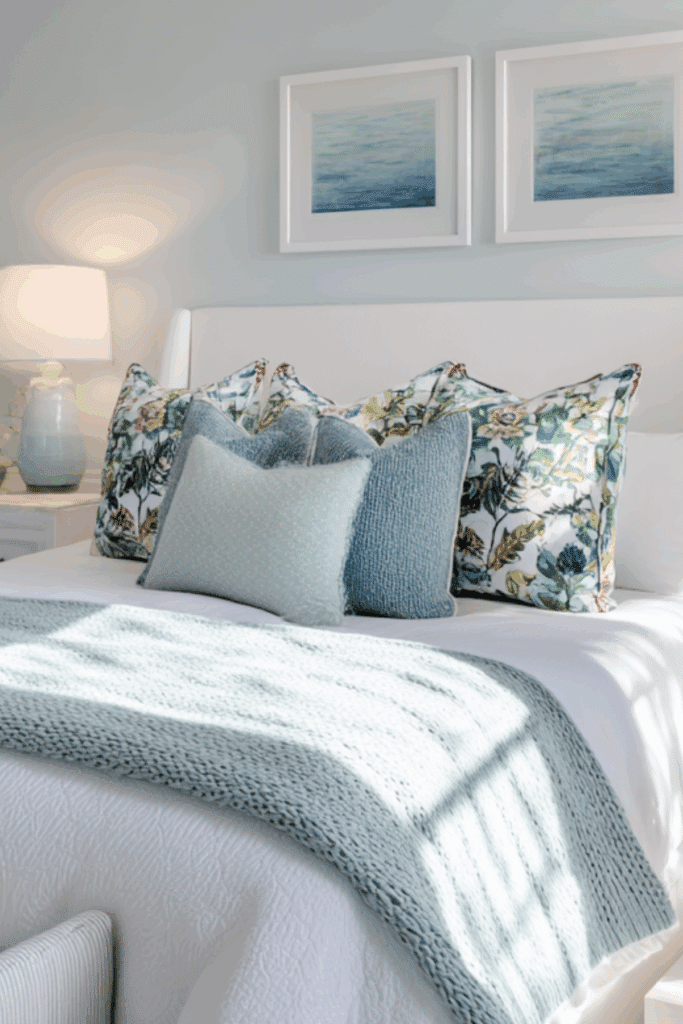
Minimal doesn’t have to mean cold.
Think of minimal as “clear,” then add cozy through color and touch.
When your bedroom feels soft, your nervous system settles faster.
Start with color because it sets the baseline.
Busy contrast and bright tones can look fun, but they keep your eyes awake.
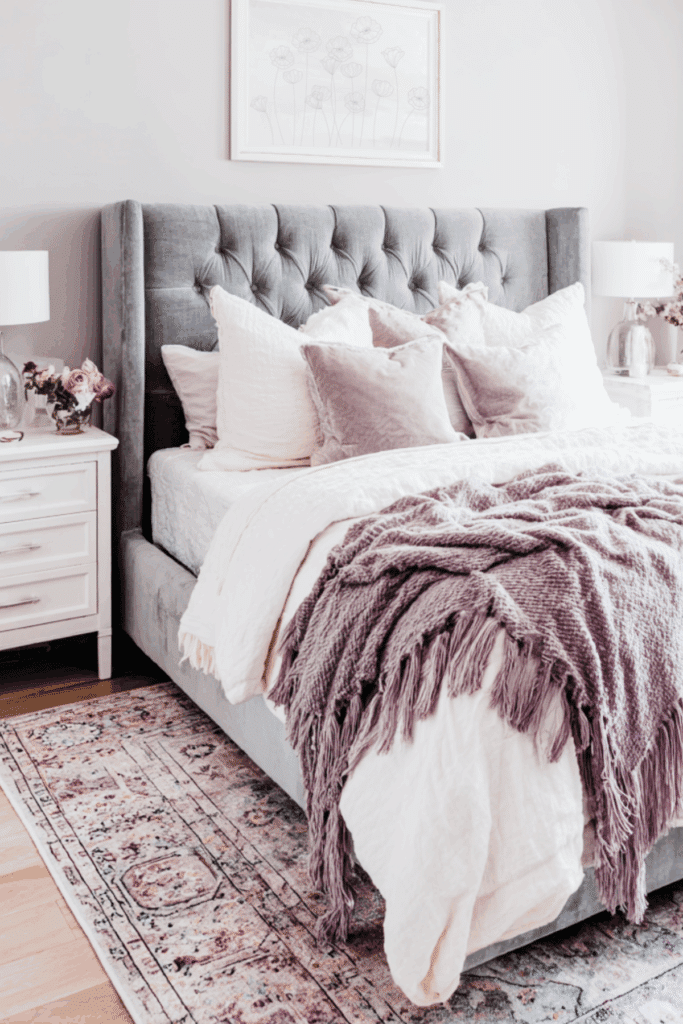
Calmer shades create a gentle background, like a quiet song you stop noticing.
You don’t need to repaint the whole room to get this effect.
Bedding covers a lot of visual space, and curtains can change the mood in one afternoon.
If you rent, focus on textiles and removable options first.
After color, add texture with restraint.
A few tactile pieces beat a pile of random accessories.
Texture should feel comforting, not messy.
Pick a Simple Palette That Makes Your Brain Feel Quiet
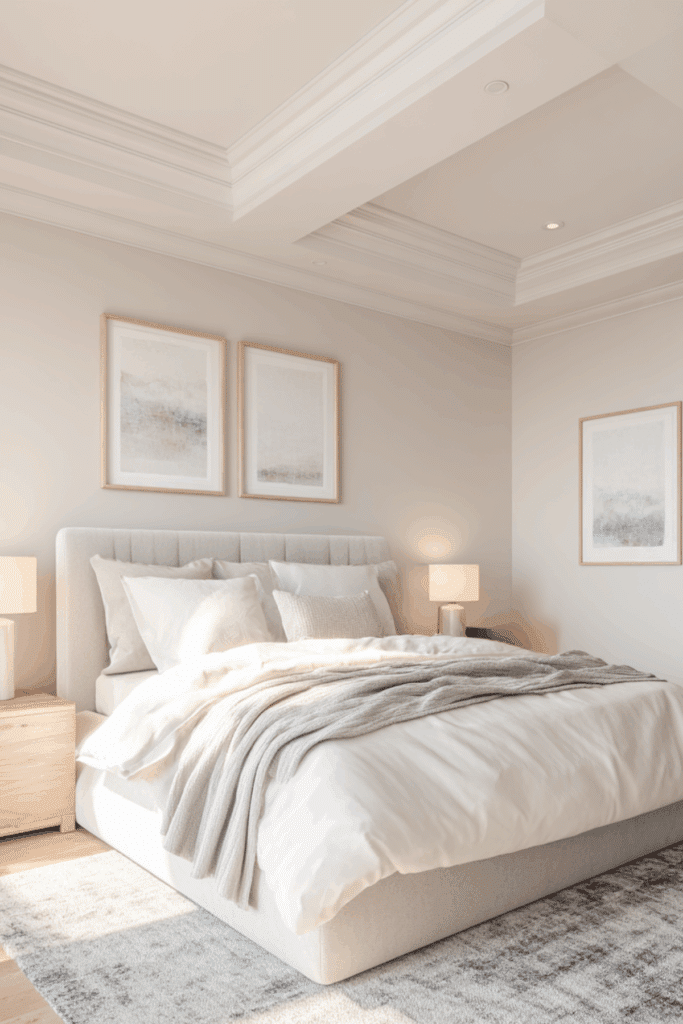
Choose one main neutral, one supporting shade, and one small accent.
That’s enough for a calming retreat.
Here are a few palettes that work well in a cozy minimalist bedroom:
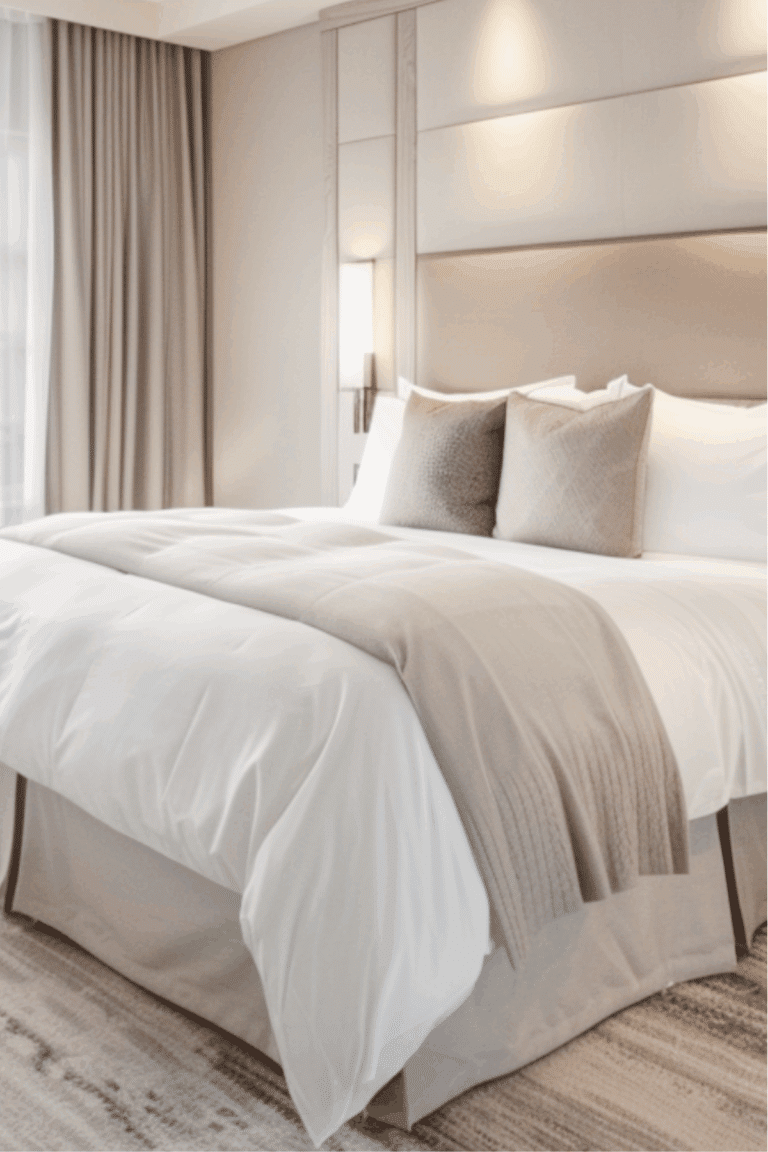
- Warm white and sand: Creamy walls or bedding, sandy linen tones, light wood.
- Greige and soft black: Warm gray-beige base, black accents, natural textiles.
- Clay and oatmeal: Dusty terracotta touches, oatmeal bedding, warm beige curtains.
- Muted sage and cream: Soft green in bedding or art, creamy neutrals, wicker or oak.
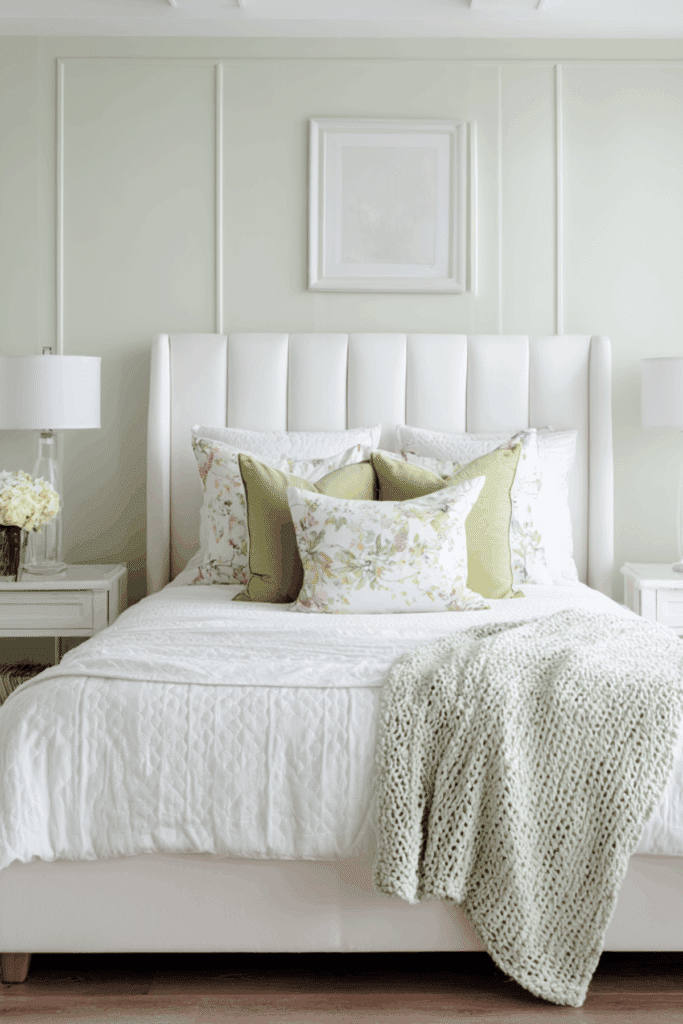
For walls, keep it light and soft if you can.
For bedding, stay in the same family as your walls, just a shade darker or lighter.
Then use your accent in one place only, such as a pillow, a small vase, or a single piece of art.
If you plan to paint, test first.
Peel-and-stick samples help, but poster boards work too.
Move the sample around the room and check it in morning light and at night.
A color that looks calm at noon can feel gloomy under lamps, so give it a real test.
Layer Cozy Textures the Minimal Way
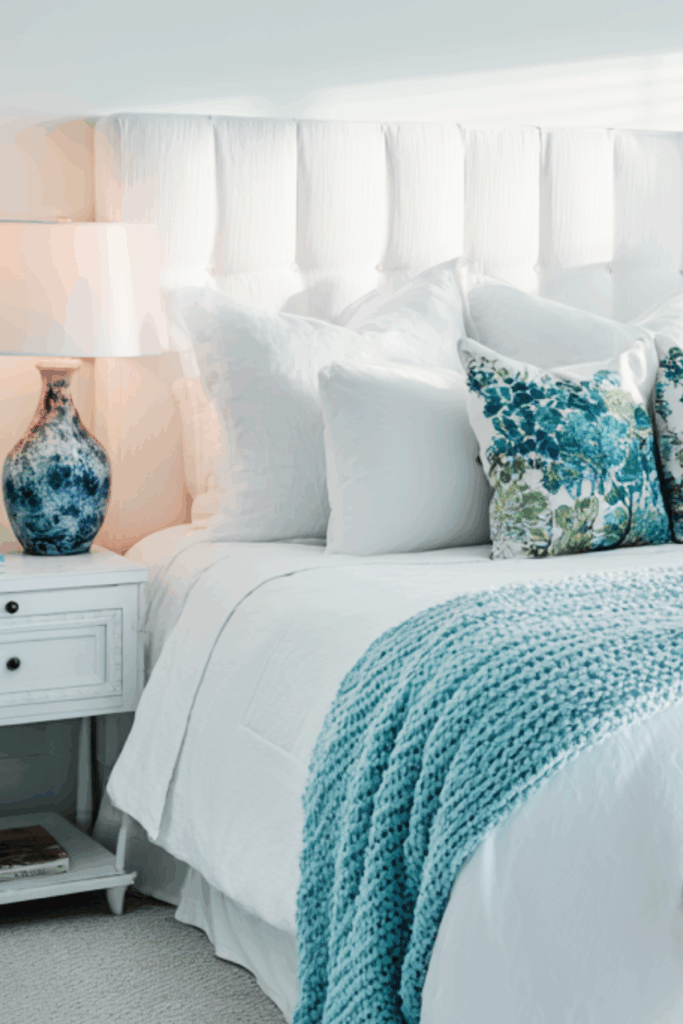
Texture is where the “cozy” lives.
The trick is to keep the shapes simple and the palette tight.
Start with the bed.
Crisp cotton sheets feel clean, while a linen duvet cover adds relaxed softness.
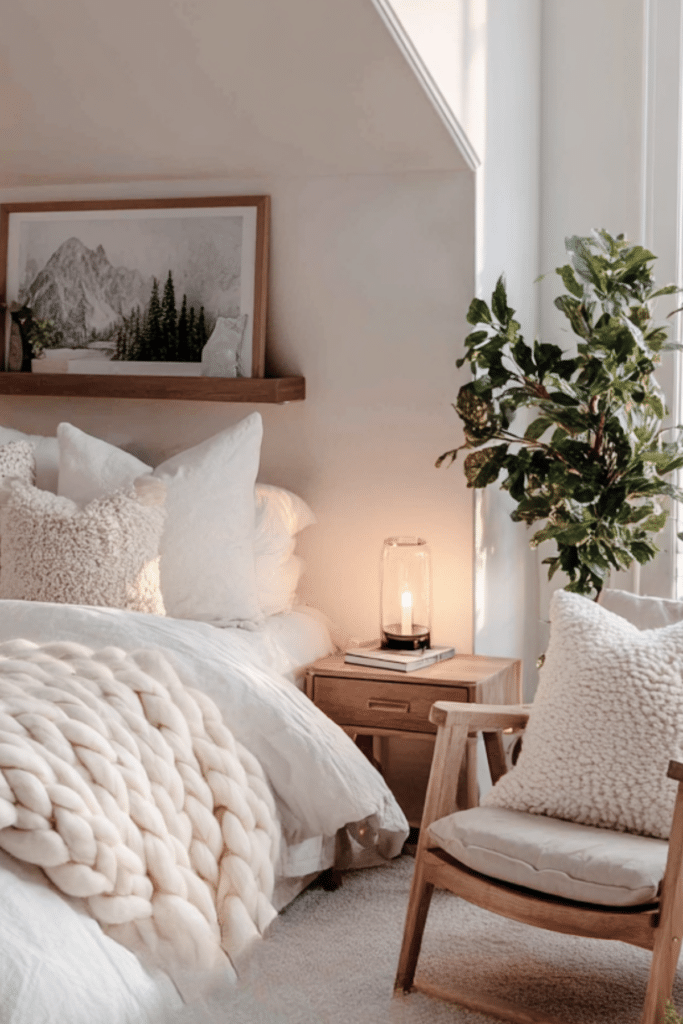
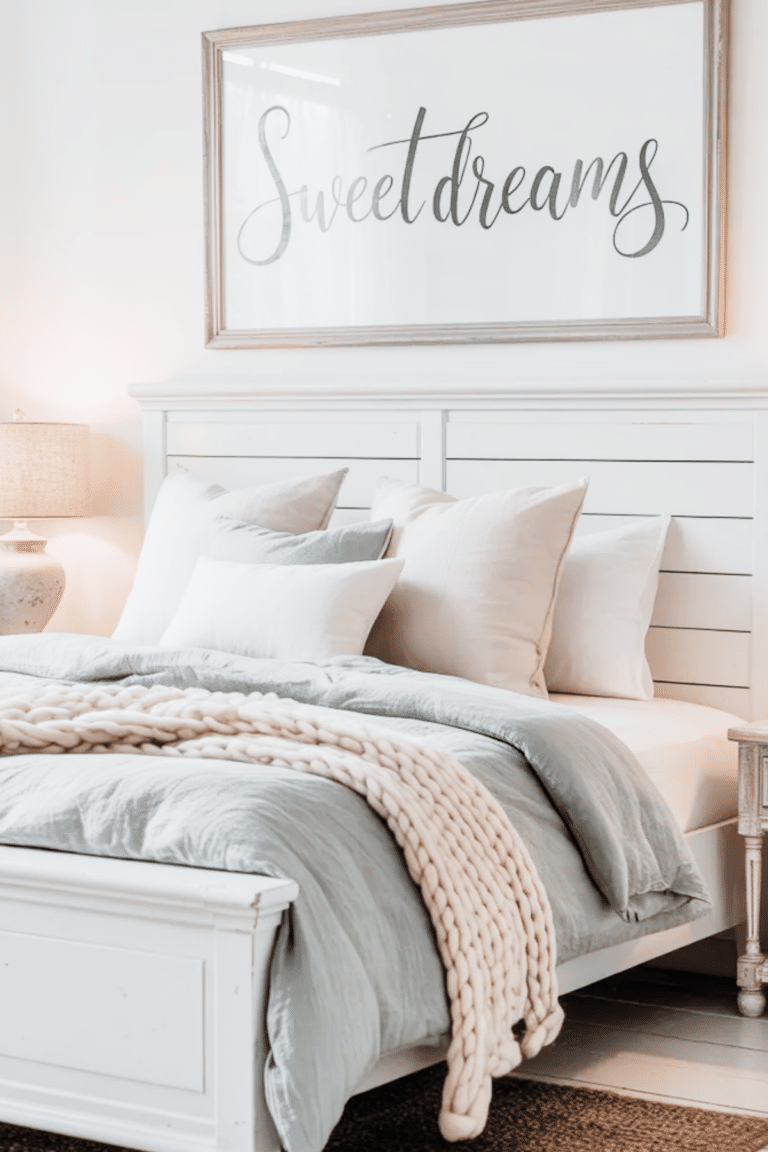
Then add one chunky knit throw at the foot, not three.
That single throw reads as comfort without looking like clutter.
A low-pile rug adds warmth underfoot, especially if you step out of bed onto wood or tile.
Keep it simple and solid, or choose one subtle weave pattern.
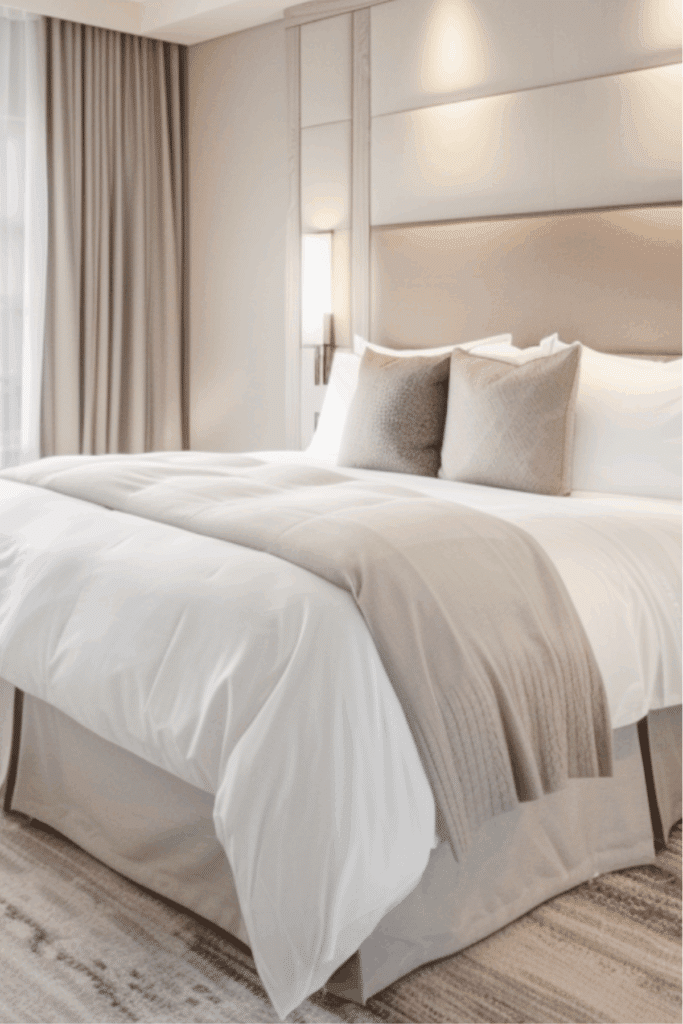
Curtains matter more than most people think.
Solid blackout curtains can make the room feel hushed at night and gentle in the morning.
If blackout panels feel too heavy, choose lined curtains in a calm neutral.
Use a “rule of one” for patterns.
One subtle pattern max, like a thin stripe on pillows or a faint check on the duvet.
Everything else stays solid.
Finally, bring warmth with a few grounded materials.
A wood nightstand, one woven basket, or a single boucle pillow can soften the look.
Keep it to a handful of pieces, and your room will feel inviting without feeling full.
Set Up a Clutter-Free Layout With Storage That Disappears
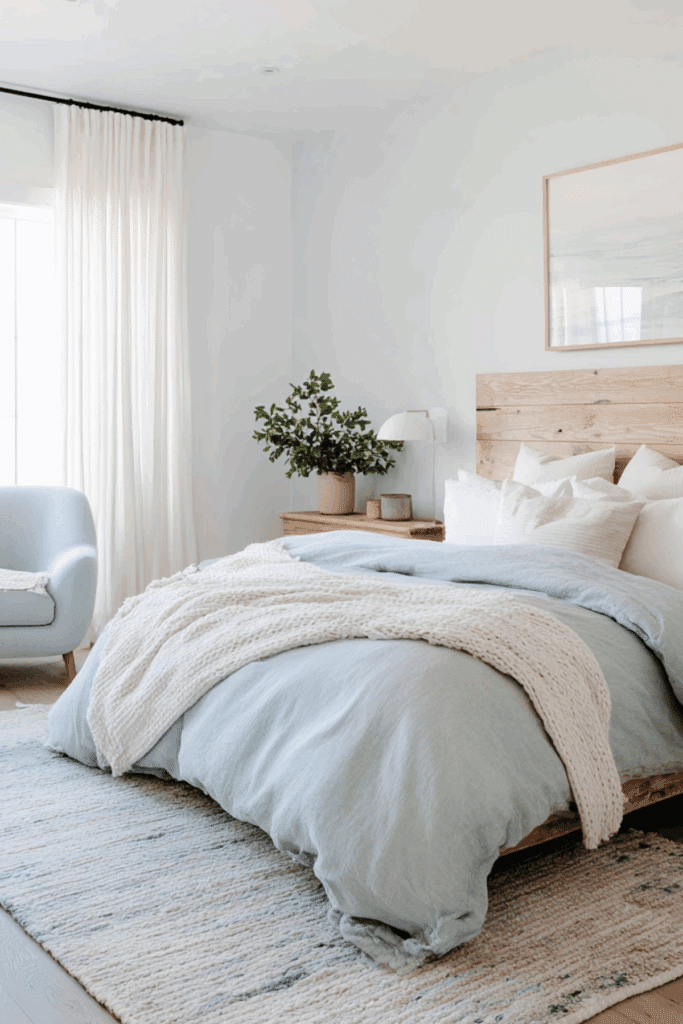
A cozy minimalist bedroom isn’t only about what you own.
It’s also about where things live.
When storage disappears, your mind rests because there’s less to track.
Begin with the bed, since it’s the visual anchor.
Then handle the two biggest clutter magnets: the nightstand and the floor.
After that, fix the small annoyances, like cords and “no-home” items.
If your room is small or shared, you can still do this.
You’ll just rely more on slim furniture and closed storage.
Make the Bed the Calm Focal Point with Smart Spacing
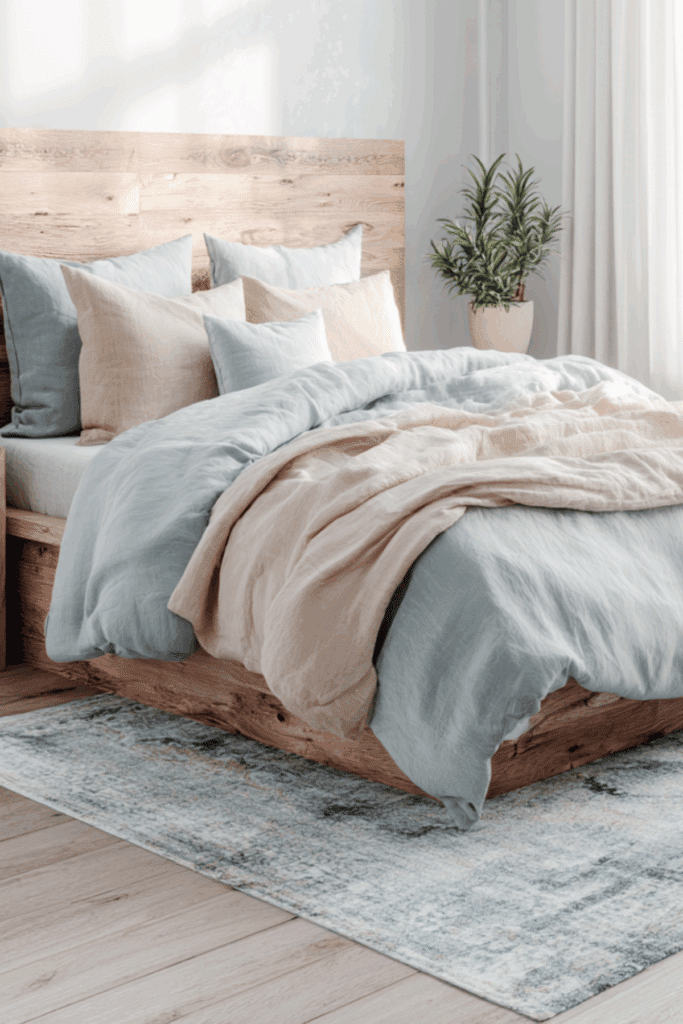
If you can, center the bed on the main wall.
Symmetry signals calm, even if you don’t think you care about symmetry.
When that’s not possible, aim for balance.
Keep one side clear enough to walk without turning sideways.
Protect your walking paths.
A clear path from the door to the bed reduces friction, especially at night.
Also, avoid blocking windows when you can, because natural light helps your body stay on a healthy rhythm.
Nightstands can make or break the look.
Matching nightstands create instant order.
If you don’t have space, wall-mounted shelves can feel lighter and cleaner.
Another small-room fix is floating bedside ledges, which give you a landing spot without bulky furniture.
Pay attention to bed height too.
A slimmer bed frame can make a tight room feel more open.
If you need storage, choose a bed with drawers or a frame high enough for bins, then keep what’s under there controlled.
Use Closed Storage and Simple Systems to Stop “Visual Clutter”

Open baskets and pretty stacks still count as visual clutter if you have too many of them.
Closed storage, such as an end of bed storage ottomon helps your brain relax because the “to-do list” isn’t on display.

Under-bed storage containers work well for off-season clothes, extra shoes, linens, or backup toiletries.
Choose matching bins so the under-bed area looks consistent.
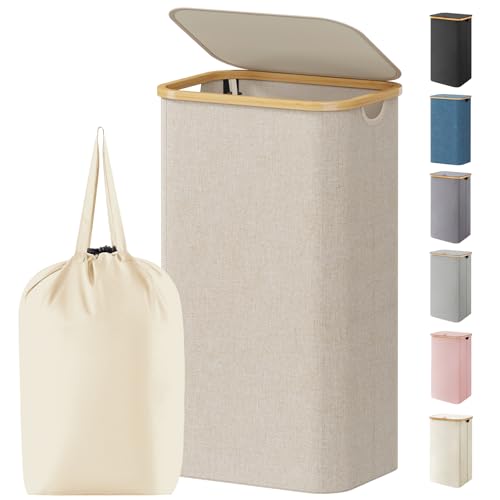
A lidded hamper is another big win, since open hampers can make the whole room feel messy.

Inside your dresser, use drawer organizers.
You’ll stop mixing socks, cords, and random items into one frustrating pile.
Keep one “catch-all” box inside a drawer for small things you need, like travel-sized lotion, spare earbuds, or a nail file.
That way, they’re easy to find but not out in the open.
Cords are a common source of chaos.
If you see wires, your space feels like a workstation.
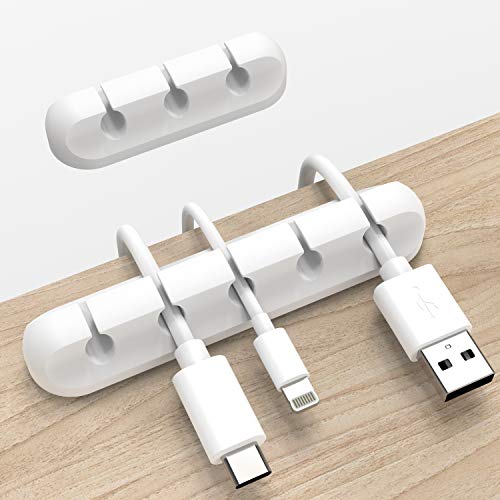
Use cord clips along the back of the nightstand, or place a charging station inside a drawer.

A bedside cable management box can hide the mess if you need outlets nearby.
As a quick guide, keep sleep and comfort items in the bedroom.
Move work supplies, unopened mail, and anything you “mean to deal with” to another zone.
Your bedroom shouldn’t double as a reminder board.
Use Minimalist Bedroom Lighting, Scent, and Sound to Relax Before Sleep
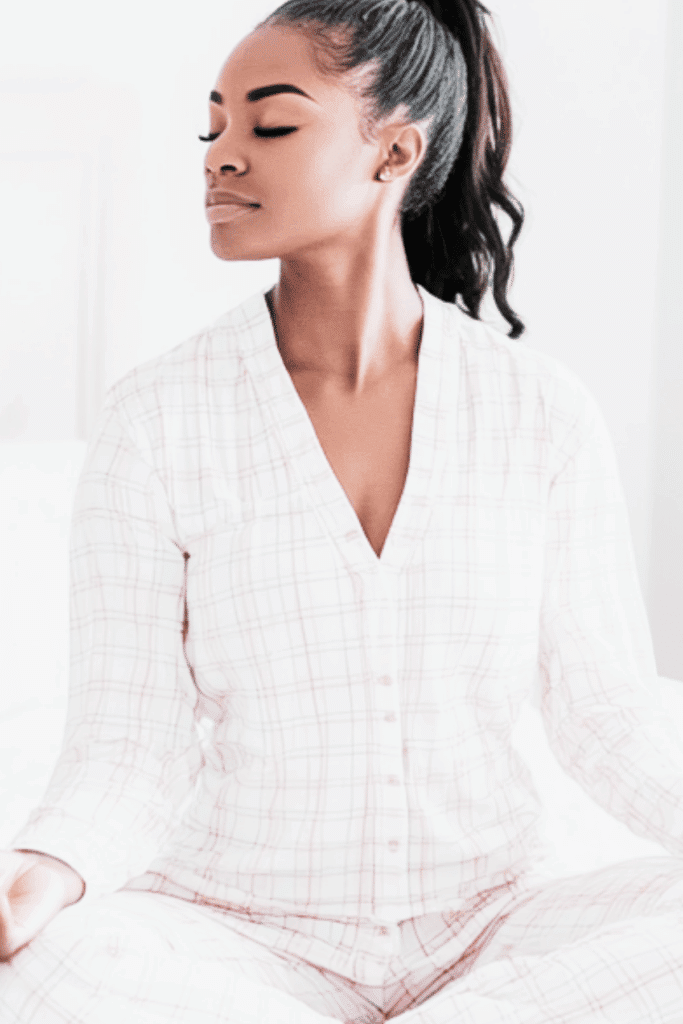
Once the room looks calmer, help it feel calmer.
Lighting, scent, and sound are small touches, yet they can change how fast you unwind.
Keep this part minimal.
One or two upgrades are enough.

Too many “sleep items” can become clutter, which defeats the purpose.
Also, remember that your goal isn’t a spa vibe.
Your goal is a space that cues your body to rest.
Swap Harsh Light for Warm, Dimmable Glow

Overhead lights can feel like a spotlight, especially at night.
Instead, create a warm, lower glow that tells your brain it’s safe to slow down.
Choose warm bulbs for bedside lamps.
If you can, choose dimmable wall lamps to control the amount of light in the bedroom.
A dim light helps you keep your night routine calm without stumbling around.

Try a simple lighting routine that’s easy to repeat:
After dinner, dim your lights.
Then switch to lamp-only lighting about one hour before bed.
Finally, keep the overhead light off unless you truly need it.
That small habit trains your brain.
You’re not forcing sleep, you’re setting the stage.
Add One Minimalist Bedroom Sensory Cue to Signal Relaxation

Pick one cue, not five.
Too many scents or sounds can feel distracting.
Here are a few simple options:
- A light lavender or cedar scent (linen spray is quick and low mess)
- White noise, a fan, or a simple sound machine
- A small diffuser with a timer (choose a compact one that won’t crowd surfaces)
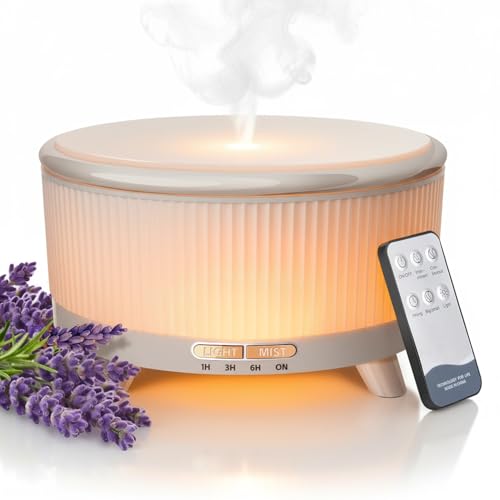
If you’re allergy-sensitive, skip fragrance and use sound only.
You can also choose an unscented routine, like turning down the lights and closing the curtains at the same time each night.
Keep the item count low.
One small diffuser on a dresser is enough.
One sound source near the bed is enough.
When your surfaces stay mostly clear, the room continues to feel like a calming retreat, not a collection of products.
Your Cozy Minimalist Bedroom, One Small Win at a Time

A cozy minimalist bedroom comes down to a few basics: fewer items in view, softer materials, storage that hides the mess, and lighting that supports sleep.
When you clear surfaces and add a cozy bedroom color palette, the room stops asking for your attention.
When you control cords and contain laundry, you remove the little stress spikes that keep you alert.
Start with one small win today.
Clear your nightstand, choose one calm color direction, or swap a harsh bulb for a warm one.
Then stick with that change for a week.
You’ll notice how quickly the space starts to feel like better sleep is the default, not the exception.
Final Thoughts
Creating a cozy minimalist bedroom isn’t about making your space look perfect — it’s about making it feel peaceful.
When you remove the extra clutter and focus on simple, comforting details, your bedroom naturally becomes a place where it’s easier to slow down and relax at the end of the day.
Even small changes can make a big difference.
Clearing off crowded surfaces, adding soft textures, choosing calming colors, and using gentle lighting can all help transform your bedroom into a true sleep sanctuary that supports better rest.
At the end of the day, your bedroom should be the calmest room in your home — a cozy retreat where you can unwind, recharge, and enjoy the deep, restorative sleep your body needs.
With a few thoughtful touches and a minimalist mindset, you can create a space that helps you relax the moment you walk through the door and drift off to sleep a little easier each night.
Need some more help unwinding at night? Grab a free printable night routine list below, and we’ll send it straight to your inbox.
Your Turn
Do you have any extra tips to add to this cozy minimalist bedroom ideas list? Which idea is your favorite? Let me know in the comments.
RELATED POSTS:
- Zen Corner Ideas for the Bedroom to Relax and Sleep Better
- Cozy Earthy Bedroom for a Warm Aesthetic to Unwind at Night On a Budget
- Cozy Zen Bedroom Ideas to Create a Sleep Sanctuary with a Color Palette, Bedding, Pillows, and More
- Boho Bedroom Ideas: Easy Ways to Create a Warm, Earthy & Cozy Sleep Sanctuary
- Cozy Coastal Bedroom Ideas: Neutral, Modern, and Chic for a Relaxing Space
- Sleep Art for Main Bedrooms, Guest Rooms, Nursery, and Kids Rooms That Feel Cozy and Dreamy
- How to Create a Comfy Bed for Better Sleep Tonight
- Relaxing Bedroom Ideas for Better Sleep (Even in a Small Room)
- Cozy Bedroom Color Palette Ideas for Better Sleep
- Cozy Bedroom Ideas for Better Sleep: Easy Tips to Create a Sleep Sanctuary
- Top 15 Bedroom Essentials: My Must Have List for Better Sleep
- The Best Sleep Investment I’ve Ever Made (and Why It’s the BedJet Sleep System)
- How to Build a Sleep Routine That Actually Works
- Sleep Hygiene Tips That Work [Free Printable Checklist Included]
- How To Choose The Right Size Of Mattress Buying Guide
- How to Choose the Best Bed Pillow For Sleeping (Tips From an Expert)
- Cozy Small Guest Bedroom Ideas That Turn a Tiny Room Into a Restful Sleep Retreat
- Fall Sleep Essentials to Make Your Bedroom Extra Cozy This Autumn Season

Hi, I’m Debbie, general manager of a mattress store chain with 25+ years helping people improve their sleep quality. At Sweet Sleep Tips, I share natural, practical sleep solutions, calming bedtime habits, and printable tools to help you fall asleep faster and wake up refreshed. My goal is to make better sleep simple, healthy, and stress-free.
Follow me on Pinterest, Instagram, and Facebook to stay up to date with all the latest Sweet Sleep Tips.




Thank you for great easy ideas about creating a cozy minimalist bedroom. I would like to think I have a cozy minimalist bedroom, but then I look and my nightstand and realize that I definitely need to tidy up. I appreciate your quick tips for getting that done.
I just moved to a new apartment and I’m trying to figure out how to organize my bedroom. I want a calming environment so I can sleep better, and this gave me so many good ideas. I’ve saved it to look at it again later. Thank you!
This sounds great! Trying to get the house situated after all the renovations. Minimalist bedroom sounds peaceful.
Great ideas for creating a cozy minimalist bedroom! I love the focus on decluttering, calming colors, and warm lighting—those small changes can really help turn a bedroom into a relaxing sleep sanctuary.
Such lovely and needed post! I really like the niche of your blog! I think many people know how important sleep is, but neglect sleep anyway! I’m definitely one of those people! I used to pull all nighters during school, always feeling there was something to do. Now that I’m older, I’m feeling more tired, and I can’t pull all nighters anymore. That doesn’t keep me from trying though! lol. Recently though, I’ve been focusing on my mental health, and getting a good night’s sleep helps with that. Unfortunately, I’m still very much struggling with setting a good sleep routine and I go to bed at the worst hours. Wish me luck with getting that fixed! Thankyou for sharing these tips!
You give me the courage to take action. I hate the color of my bedroom, and I think it’s time to start working on it. I like the idea of starting small, and that’s what I am planning to do. I will share my transformation journey on my blog, and you will be my number one reference. Thanks for for the tips.