
Best Evening Routine for Better Sleep: Simple Habits That Work
Some nights your body is tired, but your brain acts like it’s 2 p.m.
I’ve been there, and if you have too, you know how frustrating that feels.
The good news is that a better night of sleep can start tonight, not next week.
Screen time, late meals, stress, and a random bedtime all send mixed signals to your body, but a simple evening routine can help those signals line up again.
It doesn’t need to be long, fancy, or perfect.
You just need a few calm steps you can repeat without thinking too hard about them.
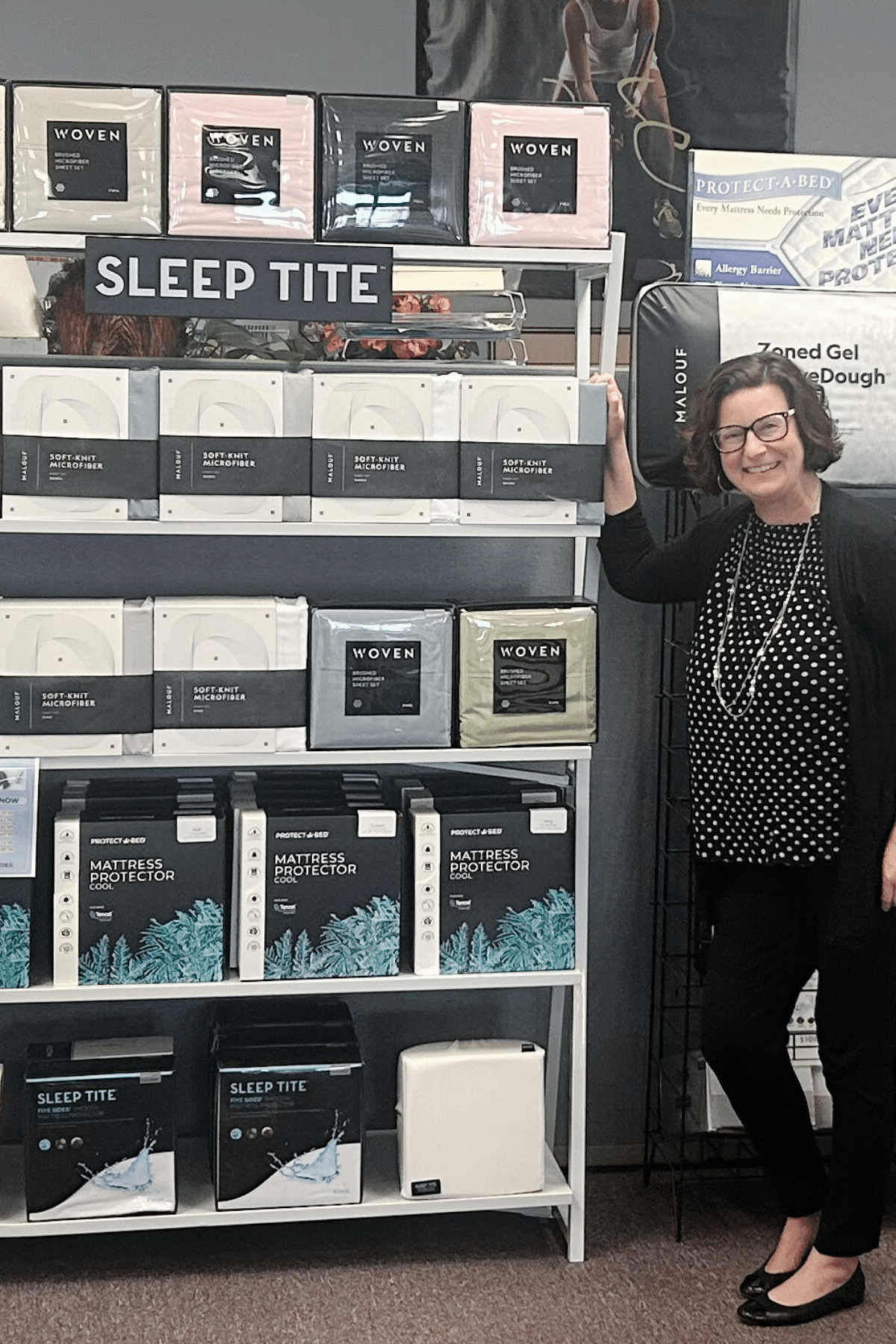
As someone who has spent years learning about sleep, working as a mattress store manager, and helping people find better rest, I know firsthand how challenging it can be to create an evening routine that actually works.
Over the years, I’ve experimented with everything from reading before bed and journaling to cutting back on screen time and creating a more relaxing sleep environment.
Some of my biggest sleep struggles happened when my husband worked the midnight shift.
While he was off at work, it was just the dogs at home and me trying to settle in for the night.
More than once, I’d find myself lying awake listening to every little noise, wondering if the dogs (one a retired police K9) heard something I didn’t.
Meanwhile, the dogs were usually sprawled out across the bed, sleeping peacefully while I stared at the ceiling, wishing I could do the same.
Those long nights taught me that having a consistent evening routine can make a huge difference when your mind doesn’t want to slow down.
The thing is that the best evening routine isn’t the one that looks perfect on social media.
It’s the one that helps you relax, feel comfortable, and prepare your mind and body for sleep.
To help you on your own journey for rest, I’ll show you how to create an evening routine for better sleep tonight with simple habits that are easy to stick with and can help you wake up feeling more refreshed tomorrow morning.
I may earn a small commission for affiliate links in this post at no extra cost to you. Please read my privacy policy and privacy page for more information. As an Amazon Associate, I earn from qualifying purchases.
Why your evening habits affect sleep so fast

Your body pays attention all day, but the last one to two hours before bed matter most.
Light, food, movement, and stress all act like little messages that say either “stay alert” or “it’s safe to power down.”
If your night is bright screens, snacks, emails, and one last task, your brain gets the wrong message.
If your night is dimmer, slower, and more predictable, sleep usually comes easier.
That’s why small changes at night can work faster than you think.
How light and screens can keep you awake

Light tells your body what time it is.
Bright overhead bulbs, phone screens, tablets, and TVs can make bedtime feel later than it should.
Then there’s the content itself.
A calm video can turn into doomscrolling.
One text can become ten.
A quick check of your email can wake your brain right back up.
But it’s easy to make switches.
Start with easy fixes.
For example:
- Lower your screen brightness.
- Turn on night mode.
- Stop scrolling 30 minutes before bed, then leave your phone across the room if you need the distance.
Why stress and a busy mind delay sleep

A busy mind doesn’t care that you’re in pajamas.
If you’re replaying a conversation, planning tomorrow, or solving problems in bed, your body stays alert.
That’s why a calm routine matters.
It gives your mind a clear endpoint.
The day had a finish line, and you crossed it.
Think of it like parking a car.
You don’t hit the driveway at 60 miles an hour and expect a smooth stop.
You slow down first.
Sleep works the same way.
Build a simple evening routine you can actually stick to

A good evening routine isn’t about doing everything.
It’s about doing the same few things often enough that your brain starts to recognize the pattern.
Pick a regular bedtime window

Choose a bedtime window you can keep most nights, not an imaginary one.
If 10 p.m. sounds healthy but never happens, don’t pick it.
If 11 p.m. works with your real life, start there.
Try to keep that window within about 30 minutes from night to night.
A regular wake-up time helps too, because your body likes rhythm more than good intentions.
Set a short wind-down period

This is the core of your routine.
Give yourself 30 to 60 minutes before bed, where the goal is no longer “get more done.”
The goal is “get slower.”
That buffer is where you stop stacking stimulation.
No stressful emails.
No last-minute chores if they can wait.
No rabbit hole on your phone because you “only meant to check one thing.”
If you protect your wind-down time, sleep stops feeling random.
Choose 3 to 5 calming actions and repeat them in the same order

This is where you keep it simple.
Pick a handful of steps you can do without much effort, then repeat them in the same order each night.
You might try:
- Dim the lights in the living room and bedroom.
- Wash your face and brush your teeth.
- Do five minutes of light stretching.
- Read a few pages of a book.
- Turn off the lamp and get into bed.
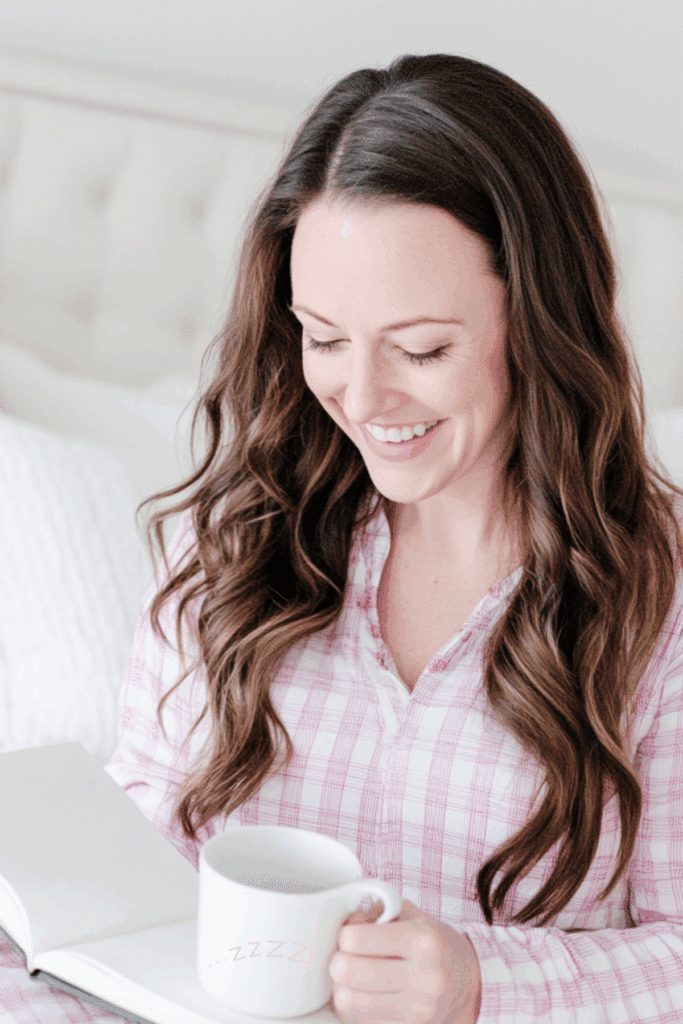
I enjoy reading before bed with dimmed lights because it narrows my focus fast.
One page becomes three, my shoulders drop, and my brain stops acting like every thought needs a meeting.
The exact steps don’t matter as much as the repetition.
When your routine stays familiar, your brain starts to connect those actions with sleep.
Make your bedroom support sleep, not distraction

Your room doesn’t need to look like a hotel.
It needs to feel calm and a little boring, in the best way.
Here are some relaxing bedroom ideas:
- Keep it cool if you can.
- Block extra light.
- Cut noise with a fan, white noise, or earplugs if needed.
- Tidy the obvious clutter so your room feels less busy.
- Move work stuff out of sight.
- If your phone tempts you, charge it outside the bedroom.
A lot of this lines up with Cleveland Clinic’s sleep hygiene tips, especially keeping your bedroom comfortable and your routine consistent.
You don’t have to redo the whole room tonight.
Even dimmer lighting and a cleaner nightstand can change the feel of the space.
What to avoid in the hours before bed

Some habits cancel out a good routine without looking dramatic.
You can do everything “right,” then get tripped up by one late choice.
Late caffeine, heavy meals, and alcohol

That afternoon coffee can still be hanging around at bedtime.
Energy drinks are even tougher.
If you’re sensitive to caffeine, cutting it off earlier can make a real difference.
Heavy meals late at night can leave you uncomfortable and restless.
Alcohol can make you feel sleepy at first, but sleep often gets lighter and more broken later.
A better move is simple.
Finish dinner earlier when you can.
If you’re hungry later, go for a light snack.
Herbal tea, toast, yogurt, or a banana usually makes more sense than a giant meal.
Sleep Foundation’s bedtime routine guide also suggests a light snack or bedtime tea over heavier options.
Hard workouts and intense problem-solving right before bed

Exercise is great for sleep, but timing matters.
A hard workout late at night can leave your body too revved up to settle.
The same goes for mental strain.
If you start budgeting, work planning, or life-admin at 10:30 p.m., don’t be surprised when your brain keeps going in bed.
Save the late evening for lighter movement and quieter tasks.
Stretch. Walk. Read. Fold laundry if it relaxes you.
Do tomorrow’s planning earlier, then stop.
How to stay consistent when life gets busy

This is where most routines fall apart.
Not because you don’t care, but because life gets messy.
You work late. You’re tired. Your schedule shifts.
A perfect routine doesn’t survive that kind of week.
A short routine does.
Start with a tiny version of the routine

If a full routine feels like too much, shrink it.
Pick two or three steps and call that enough.
Maybe your tiny version is this: dim the lights, wash your face, read for five minutes.
That’s still a routine. That’s still a signal to your brain.
Small habits are easier to repeat, and repeated habits are what count.
You can always build from there later.
Use reminders and cues that make bedtime automatic

You don’t want bedtime to depend on motivation.
You want it tied to cues.
For example:
- Set an alarm for your wind-down time.
- Dim the same lamp every night.
- Put your phone charger in the kitchen.
- Leave a book on your pillow.
- Stick a note on the bathroom mirror if that’s what works.
These little cues cut down on decision fatigue.
When the routine starts itself, you’re less likely to talk yourself out of it.
Tonight is enough to start
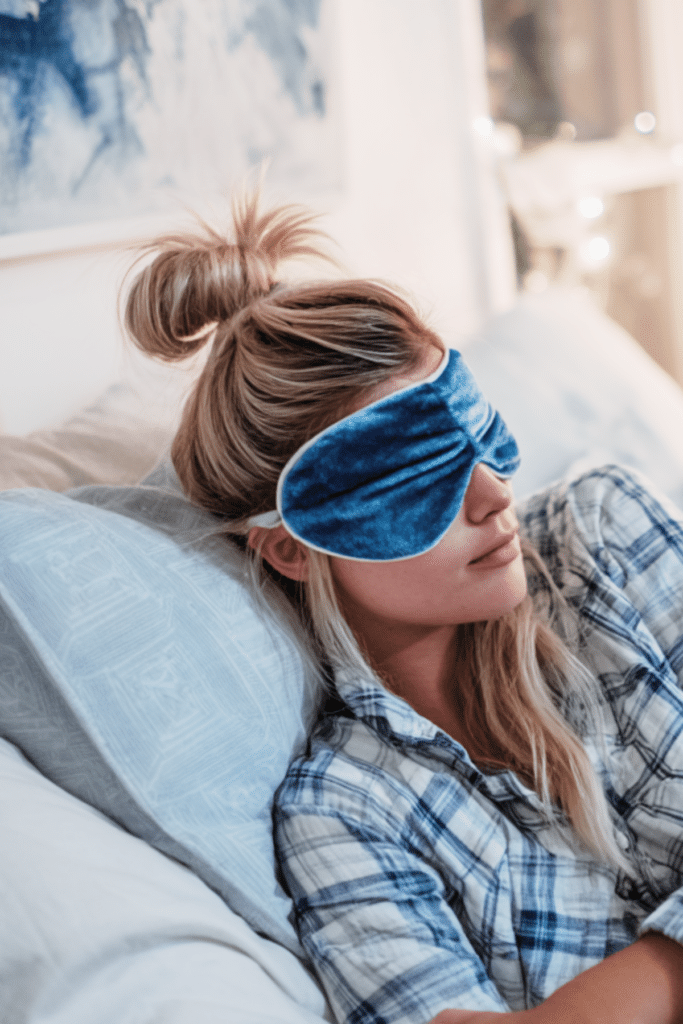
I’ve been there, lying in bed tired but wide awake, and I know how easy it is to think better sleep has to wait for a less stressful life. It doesn’t. A calmer night can begin with one small shift.
Keep your routine short, repeatable, and calming.
Pick a bedtime, choose a few wind-down steps, and try them tonight.
Frequently Asked Questions About Evening Routines for Better Sleep
What is the best evening routine for better sleep?
The best evening routine for better sleep includes a few calming activities you repeat each night. Simple habits like dimming the lights, putting away screens, reading, stretching, or journaling can help signal to your body that it’s time to rest. Consistency matters more than having a complicated routine.
How long should a bedtime routine be?
Most bedtime routines work well when they last between 30 and 60 minutes. However, even a 15-minute wind-down routine can help improve sleep. The key is creating healthy sleep habits that fit your schedule and are easy to repeat every night.
Does reading before bed help you sleep?
Yes, reading before bed can help you relax and shift your focus away from daily stress. Many people find that reading a book is a calming part of their evening routine and helps them fall asleep more easily. Choose relaxing material rather than anything too exciting or stimulating.
Should I avoid screens before bed?
Limiting screen time before bed may help improve sleep quality. Phones, tablets, and televisions can keep your brain alert and may interfere with your body’s natural sleep signals. Try turning off screens 30 to 60 minutes before bedtime whenever possible.
How many hours before bed should I stop drinking caffeine?
Most experts recommend avoiding caffeine at least 6 to 8 hours before bedtime. Since caffeine can stay in your system for several hours, drinking coffee, tea, or energy drinks too late in the day may make it harder to fall asleep and stay asleep.
Final Thoughts
Creating an evening routine for better sleep doesn’t have to be complicated.
In fact, the best routines are often the simplest ones.
A few consistent habits like dimming the lights, putting away screens, reading a book, or spending a few minutes working on night journal prompts can help signal to your body that it’s time to rest.
Remember, you don’t have to overhaul your entire evening overnight.
Start with one or two habits that feel realistic for your lifestyle and build from there.
Small changes can add up over time, and even a simple routine can make a noticeable difference in how quickly you fall asleep and how rested you feel in the morning.
I’ve learned through years of trial and error that there isn’t one perfect evening relaxation exercise that works for everyone.
The key is finding a routine that helps you feel calm, comfortable, and ready for sleep.
Whether you’re winding down after a busy workday, managing stress, or simply trying to improve your sleep habits, creating a relaxing evening routine is one of the best gifts you can give yourself.
Tonight is a great night to start.
Need more ways to relax at night? Grab a free printable night routine list below, and we’ll send it straight to your inbox.
Your Turn
Do you have an evening routine that helps you sleep better, or are you hoping to create one? I’d love to hear about your favorite bedtime habits, relaxing activities, or sleep tips in the comments below. Are you a nighttime reader, a journal writer, or someone who enjoys a warm shower before bed? Maybe you have a favorite way to unwind after a long day. Share your evening routine ideas and sleep tips below. Your experience might help another reader discover a new habit that leads to a better night’s sleep.

RELATED POSTS:
- Relaxation Exercises for Sleep That Calm a Busy Mind
- Relaxation Activities for Adults: Calming Night Routine Ideas to Help You Sleep Better
- 15+ Free Sleep Printables for Better Rest (Sleep Tracker, Brain Dump, Habit Tracker & More)
- 25+ Best Self Care Gifts for Women to Get Cozy, Relax, and Sleep Better
- 20+ Best Self Care Gifts for Men for Better Sleep
- Cozy Bedroom Color Palette Ideas for Better Sleep
- Sleep Mask: Silk, Cooling, DIY, Cute, and More to Rest Better Tonight
- 28+ Cozy Self Care Gifts for Better Sleep
- Cozy Bedroom Ideas for Better Sleep: Easy Tips to Create a Sleep Sanctuary
- Top 15 Bedroom Essentials: My Must Have List for Better Sleep
- The Best Sleep Investment I’ve Ever Made (and Why It’s the BedJet Sleep System)
- How to Build a Sleep Routine That Actually Works
- How To Choose The Right Size Of Mattress Buying Guide
- How to Choose the Best Bed Pillow For Sleeping (Tips From an Expert)




Great read! Lots of good tips to be found. I read every night when I go to bed.