

Ultimate Mattress Buying Guide: Expert Tips to Find Your Perfect Night’s Sleep
Are you searching for the perfect new mattress, but find the whole process incredibly overwhelming? If so, keep reading! I’ve got you covered with a mattress buying guide that breaks down everything you need to know to shop with confidence, choose the right firmness, and finally get the sleep you deserve.
I may earn a small commission for affiliate links in this post at no extra cost to you. Please read my privacy policy and privacy page for more information. As an Amazon Associate, I earn from qualifying purchases.

Walking into a mattress store can feel overwhelming—so many options, so many sales pitches, and no idea which mattress will actually help you sleep better.
I’ve seen it countless times: someone lying on every mattress in the showroom, still unsure which one to choose, frustrated and exhausted before they even make a decision.
That’s exactly why I love what I do.
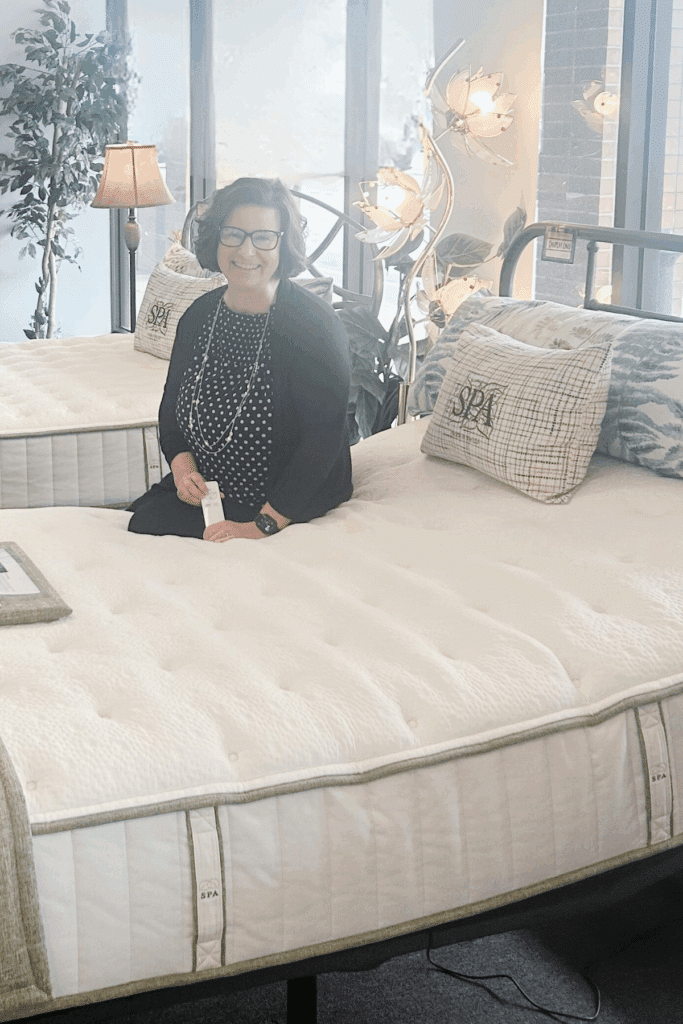
With more than 25 years of experience selling mattresses, I enjoy helping people cut through the confusion, focus on what really matters for their sleep, and find a mattress they’ll love for years to come.
Over time, I’ve learned the insider tips, tricks, and simple strategies that make mattress shopping easier, more fun, and stress-free.
To help you get started on your journey of finding the perfect mattress, I’m sharing everything you need to know!
I’ll cover understanding mattress firmness levels to mattress types to picking the perfect fit for your sleep style, all so you can finally shop with confidence and wake up feeling truly rested.
So, are you ready to get started?
Great! Grab a snack, settle in, and let’s get into it!
How to Know When It’s Time to Replace Your Mattress

First things first.
Before you start browsing mattresses, the very first step is making sure you actually need a new one.
Even small dips or body impressions can be normal, but when sagging pulls you toward the middle, you wake up with new aches, or you notice you sleep noticeably better somewhere else, those are clear signs your mattress may be past its prime.
Knowing how to know when to replace a mattress gives you a simple way to separate normal wear from a bed that’s no longer providing the support and comfort your body needs — and it can save you from buying a new mattress when your current one still has life left.
How to Know Your Sleep Needs Before Mattress Shopping

Now that you know you need a new mattress, it’s important to start shopping the right way with a little preparation.
Before you compare models, begin with what your body and your household actually need.
Brand names change. Fabrics change. Marketing changes.
However, your sleep problems are a steady clue that points you in the right direction for mattress shopping.
Here’s a quick “get clear” checklist you can jot down in your notes app:
- Where do you feel pain or pressure when you wake up (lower back, neck, shoulders, hips)?
- Do you sleep hot, sweat at night, or flip your pillow for the cool side?
- Do you share the bed, and does movement wake you up?
- Do you like a hugging feel or an on-top feel (sink-in vs buoyant)?
- What’s your real budget, including delivery and basics like a protector?
A simple example: if your shoulders ache and your arm falls asleep on your side, you likely need more pressure relief up top. If your lower back feels tight and you notice a dip in the middle of the bed, you likely need stronger support underneath.
What mattress salespeople rarely say (the helpful truth): Comfort is personal, and brand names don’t always equal quality. What matters is support, pressure relief, and how well the mattress holds up over time. If you focus on those three, you’ll shop smarter than most people in the store.
Your Sleep Position, Body Type, and Pain Points Decide Your Support Needs

When you’re trying to figure out how to choose the right mattress type, it helps to focus on how different mattress builds actually feel under your body rather than getting caught up in brand names or buzzwords.
Memory foam mattresses are known for contouring and pressure relief, which many side sleepers and light sleepers appreciate, while hybrid mattresses combine coils and foam for a more balanced feel with better airflow and support.

Innerspring mattresses tend to feel bouncier and cooler, and latex mattresses offer a responsive, durable option that many combination and hot sleepers enjoy.
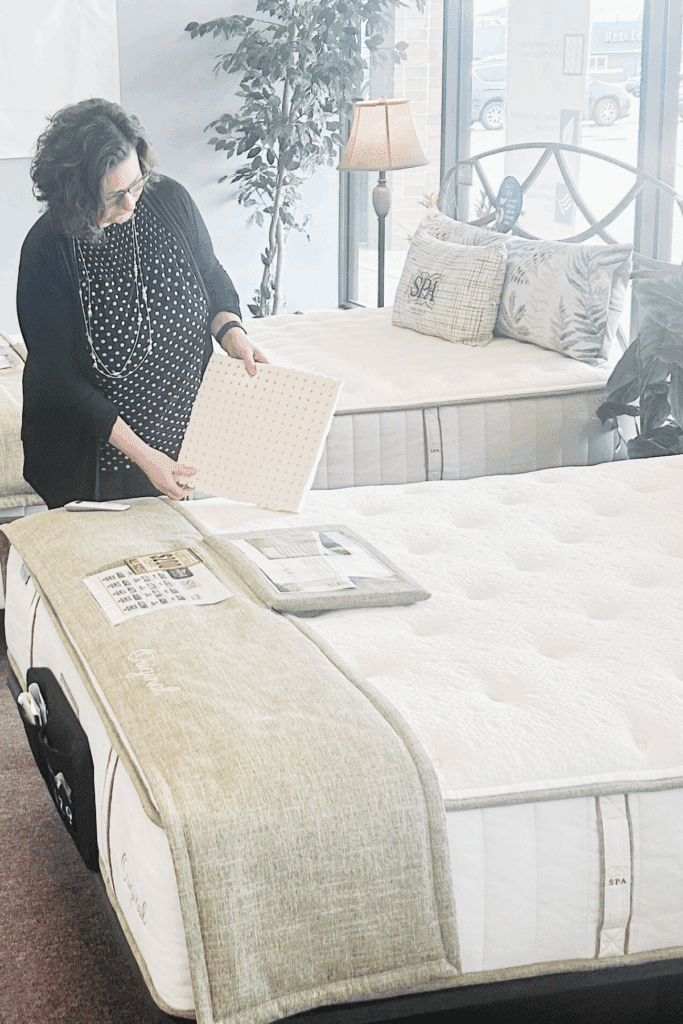
Understanding the difference between mattress types — and how each one supports your sleep position, manages heat, and handles motion — makes it much easier to narrow your options and move on to choosing the right firmness and size with confidence.
How Mattress Firmness Affects Comfort, Support, and Sleep Quality

Choosing the right mattress firmness can make or break your sleep experience, and it’s not just about labels like “soft,” “medium,” or “firm.”
What feels supportive and comfortable depends a lot on your sleep position, body weight, and personal preferences — for example, side sleepers often benefit from a slightly softer feel that cushions hips and shoulders, while stomach sleepers usually need a firmer surface to keep the spine aligned.
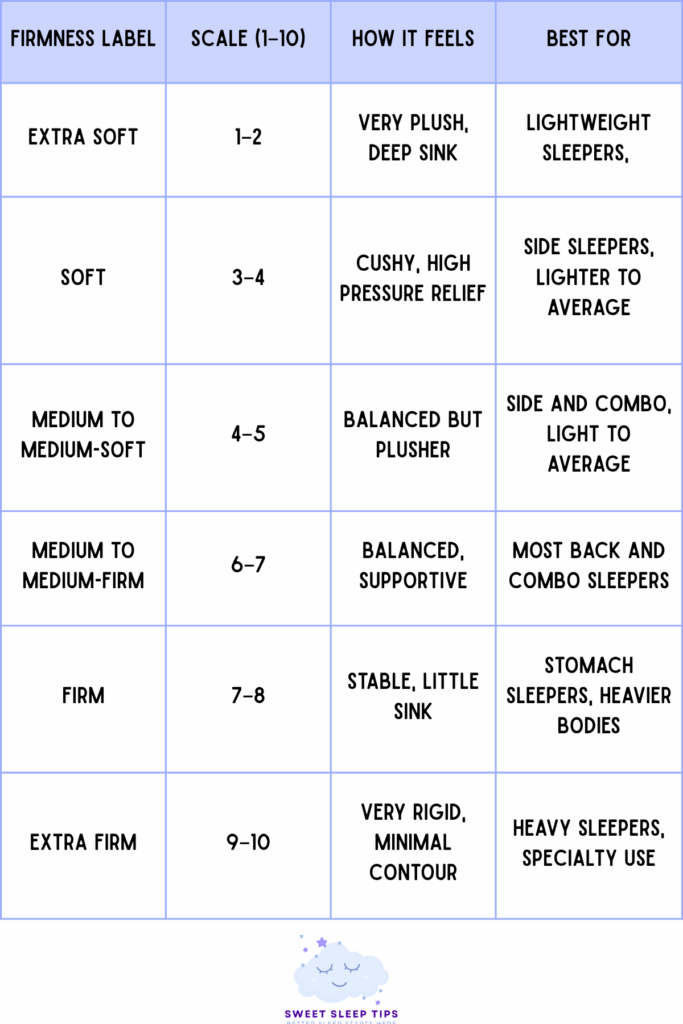
Understanding how firmness affects pressure relief, support, and overall comfort takes the guesswork out of mattress shopping and helps you match your body’s needs with the right feel so you actually look forward to bedtime.
Choosing the Right Mattress Size for Your Space and Sleep Style
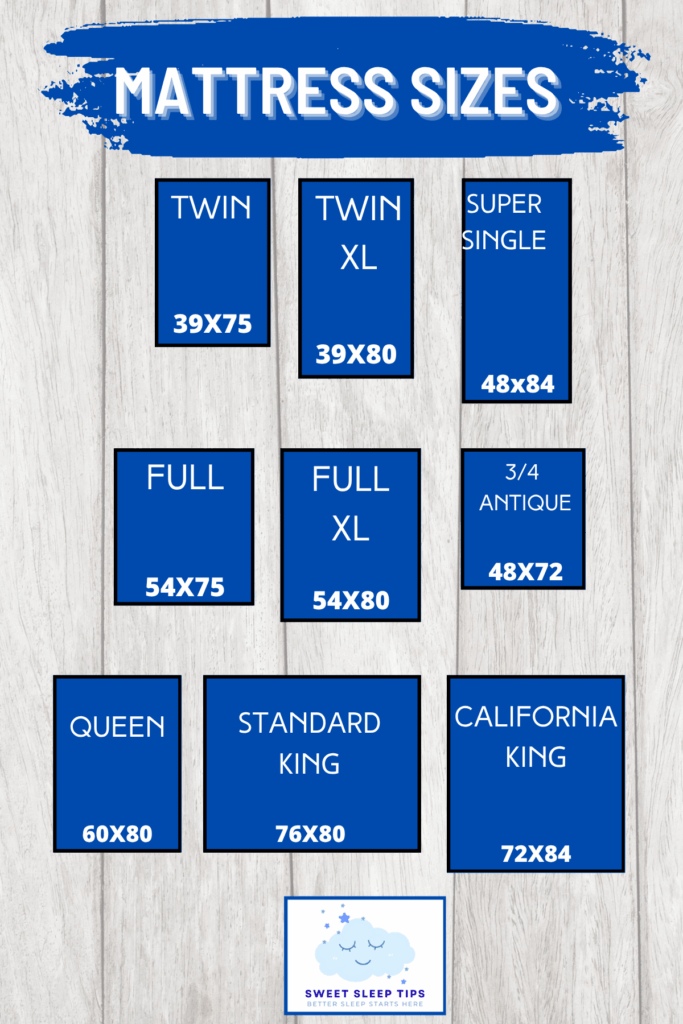
Picking the right mattress size is about more than just what fits in your room — it’s about how you actually sleep and live.
A Twin or Twin XL might be perfect for a growing teen or a guest room, while a Full can feel snug for solo sleepers who want a little extra space.
For most couples, a Queen hits that sweet spot between comfort and room fit, whereas a King or California King gives plenty of space for partners, pets, and sprawling sleepers.
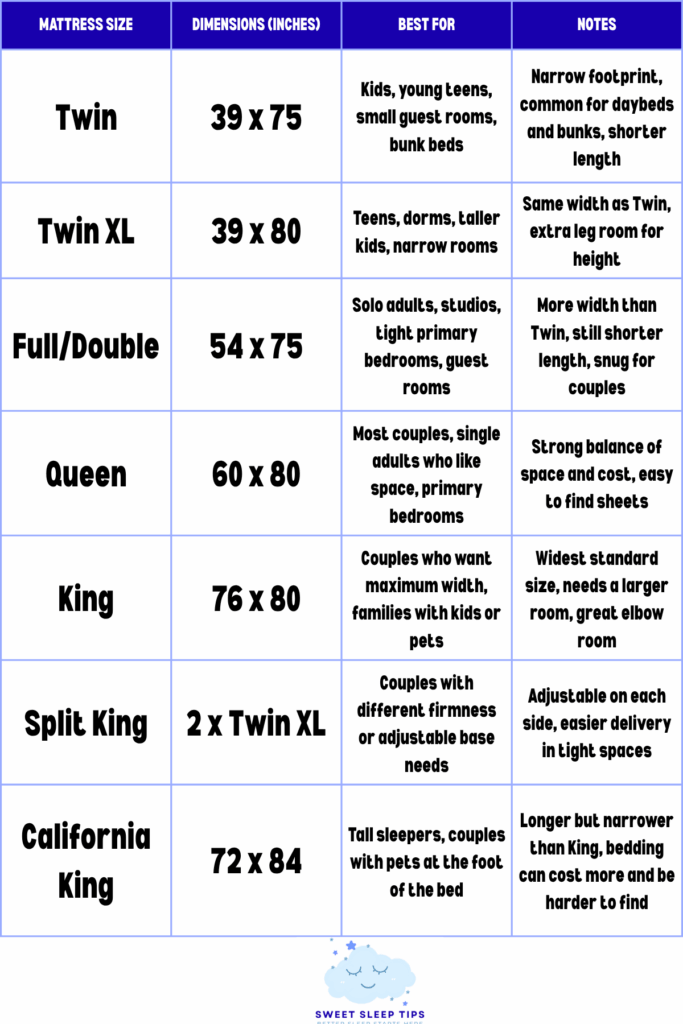
Thinking through how much room you need to stretch, roll, and share the bed — plus how the size works with your bedroom layout and lifestyle — takes the guesswork out of choosing the mattress you won’t second-guess later.
That’s exactly the kind of detail you’ll find when you’re figuring out the right mattress size for your space and sleep style.
How to Test a Mattress in Store Without Guesswork

Once you know it’s time for a new mattress, the next step is figuring out which one actually feels right for you.
Sitting on the edge for a few seconds won’t tell the full story — the best way to shop smart is to test the mattress like you actually sleep.
Lie down in your usual sleep position for at least a couple of minutes, check how your body feels, notice any pressure points, roll or reposition to see if you move easily, and even test the edge if you sit there often.
If you share the bed, having your partner move around while you stay still can reveal how well the mattress isolates motion.
Knowing how to test a mattress in store before buying gives you confidence that the one you pick will feel great long after delivery.
Make Sure to Get the Best Sleep Accessories for Your Mattress
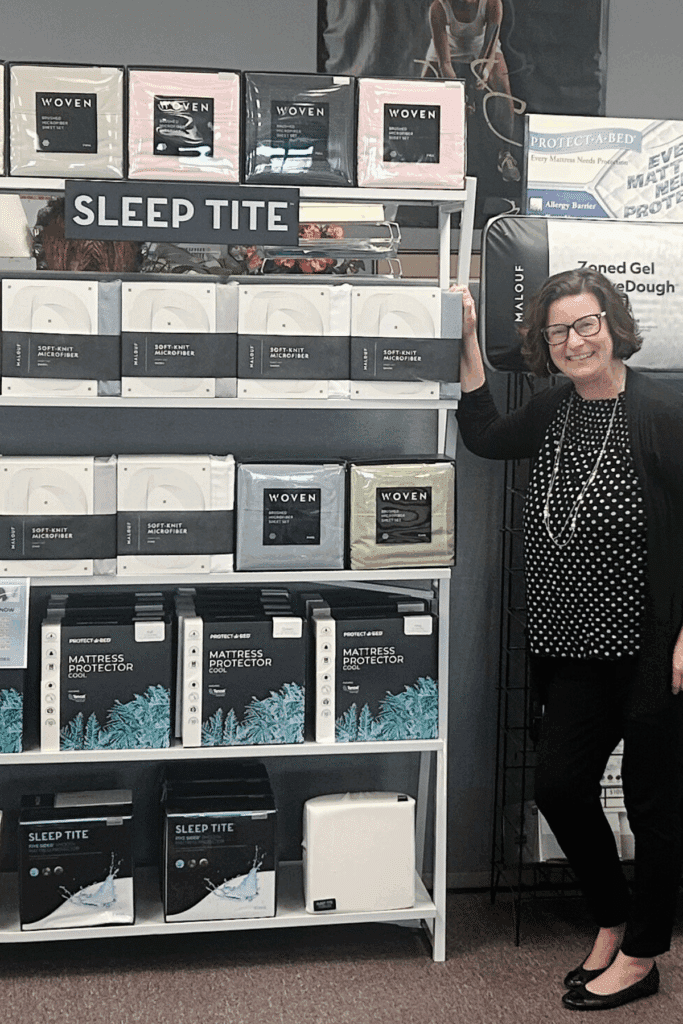
Once you’ve found the mattress that fits your body and your sleep style, it’s tempting to think your job is done.
But let’s be real, a mattress alone can only do so much.
The right sleep accessories — like a protector, pillow, topper, and breathable sheets — can make a noticeable difference in comfort, support, and temperature regulation.
Adding these extras is an easy way to get the most out of your new bed and ensure that every night feels as good as that first test lie in the store.
These are the “small things” that keep your new bed feeling new.
How to Choose the Best Bed Pillow for Your Sleep Position
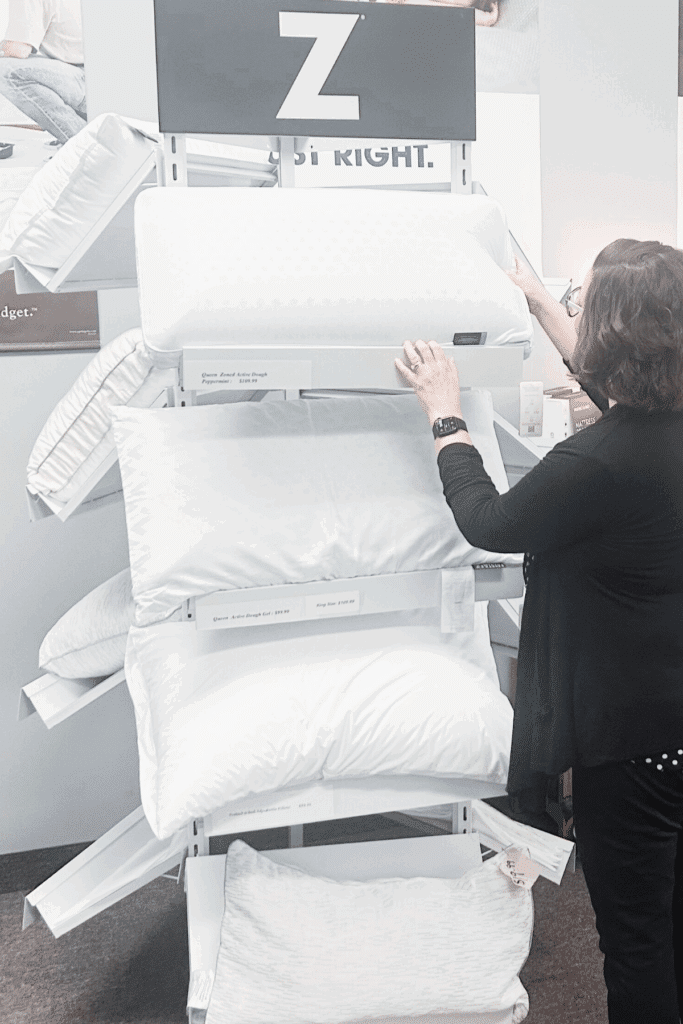
A pillow might seem simple, but it’s one of the biggest factors in how well you sleep and how your body feels in the morning.
The right bed pillow keeps your neck and spine aligned with your sleep position, so your shoulders, back, and neck don’t ache by sunrise.
Side sleepers usually need a loftier pillow to fill the gap between the head and shoulder, back sleepers often do best with medium support, and stomach sleepers tend to prefer a thinner option.
Picking the best pillow for your sleep style can make even a great mattress feel perfectly tailored to you.
How a Mattress Protector Helps Your Bed Last Longer
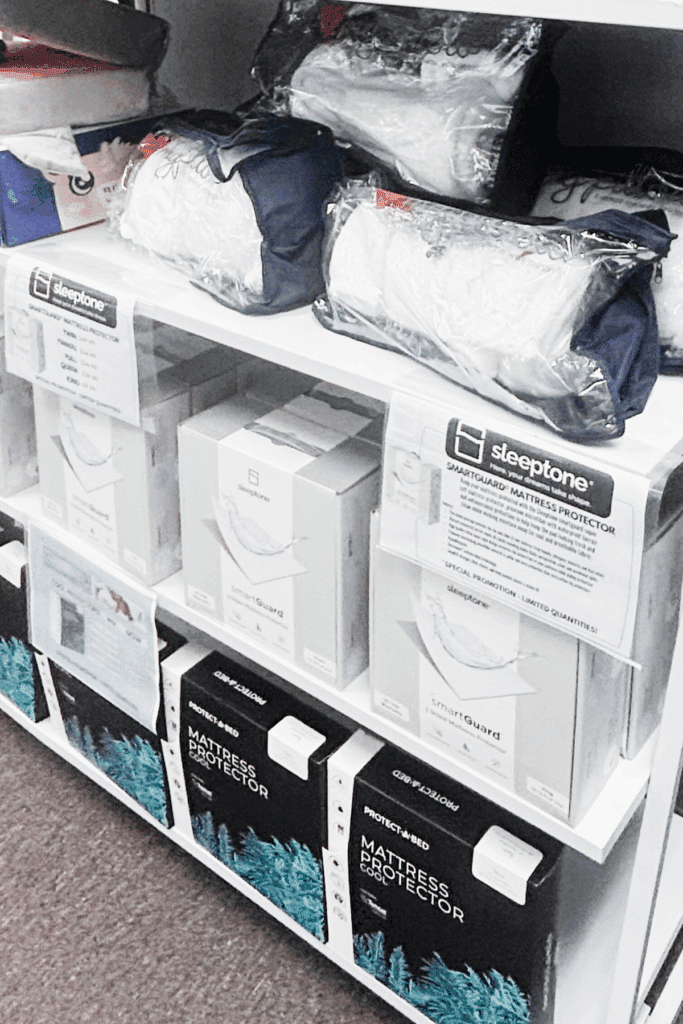
Keeping your mattress clean and protected from everyday wear is easier than you think, and a mattress protector is one of the simplest upgrades you can make that pays off over time.
A good protector guards against spills, sweat, dust mites, and allergens, and it can even help preserve your mattress warranty — which matters a lot when you’re investing in better sleep.
Look for breathable, comfortable materials, so you don’t lose any of your mattress’s feel, especially if you sleep warm.
Adding a protector early gives your new mattress the best chance to stay comfortable and supportive night after night.
How the Right Sheets Help With Temperature Regulation

Even with a great mattress and the right pillow, the sheets you sleep on can play a huge role in how comfortable you feel all night long.
If you tend to sleep hot or wake up sweaty, choosing bed sheets designed for hot sleepers makes a noticeable difference because fabrics that breathe and wick moisture help regulate temperature while you sleep.
Lightweight, airy materials like cotton percale, bamboo‑derived blends, or linen let airflow move more freely around your body, so you’re less likely to overheat, flip the pillow for the cool side, or wake up feeling clammy.
Pairing a sheet set with your mattress creates a sleep setup that works together for every season — especially warmer nights.
Why a Mattress Topper Can Make All the Difference

If your new mattress feels a bit too firm or you just want to fine-tune the comfort, a mattress topper can be a huge upgrade.
Toppers add an extra layer of cushioning that can relieve pressure points, adjust firmness, and even help with temperature regulation depending on the material.
Memory foam toppers hug and support, while feather or latex options provide a softer, bouncier feel.
Choosing the right thickness and material lets you customize your sleep experience without having to replace the mattress entirely, making it one of the easiest ways to get your bed feeling just right from night one.
Final Thoughts
As you can see, buying a mattress doesn’t have to be stressful or confusing.
With the right information, a clear understanding of your sleep needs, and a few insider mattress shopping tips, you can find a bed that supports your body, matches your comfort preferences, and helps you wake up feeling refreshed and rejuvenated.
Because your mattress isn’t just an everyday purchase, it’s an investment in your sleep—and in your overall health!
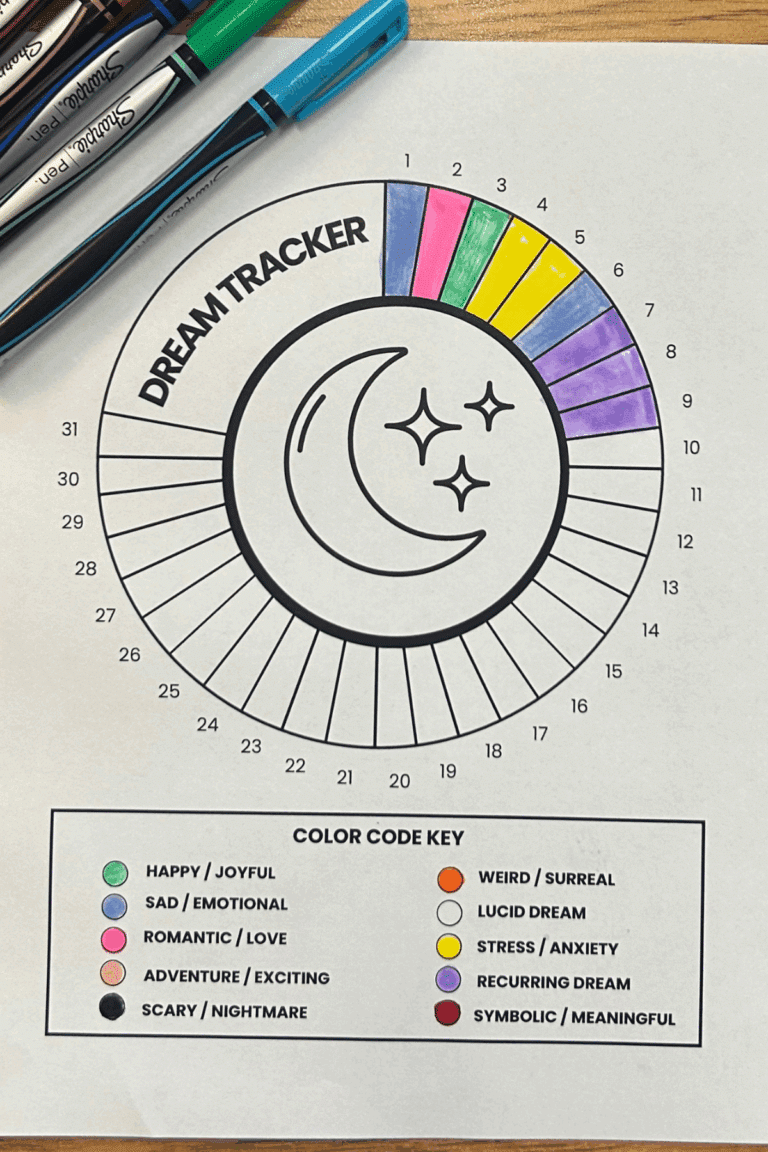
Need some more help tracking your sleep? Grab this free printable sleep tracker, and we’ll send it straight to your inbox!
Your Turn
Now it’s your turn! Do you have any questions about this mattress buying guide? Have you struggled with mattress shopping before? Let me know in the comments below!


RELATED POSTS:
- How to Choose the Best Bed Pillow For Sleeping (Tips From an Expert)
- Cozy Small Guest Bedroom Ideas That Turn a Tiny Room Into a Restful Sleep Retreat
- Cozy Zen Bedroom Ideas to Create a Sleep Sanctuary with a Color Palette, Bedding, Pillows, and More
- How to Know When to Replace Mattress (Tips from a Mattress Expert)
- How to Test a Mattress Before Buying in Store (Expert Guide)
- Why Buy a Mattress Protector: What Most Mattress Shoppers Don’t Realize
- How to Choose the Right Mattress Type for Better Sleep
- How to Choose the Correct Mattress Firmness From a Mattress Pro
- How To Choose The Right Size Of Mattress: Buying Guide
- Best Bed Sheets for Hot Sleepers: What to Buy to Stay Cool and Sleep Well
- Find the Best Mattress Topper for Your Sleep: Memory Foam, Latex, Cooling, and More
Hi, I’m Debbie, general manager of a mattress store chain with 25+ years helping people improve their sleep quality. At Sweet Sleep Tips, I share natural, practical sleep solutions, calming bedtime habits, and printable tools to help you fall asleep faster and wake up refreshed. My goal is to make better sleep simple, healthy, and stress-free.
Follow me on Pinterest, Instagram, and Facebook to stay up to date with all the latest Sweet Sleep Tips.


Great ultimate mattress buying guide! I appreciate all of your helpful tips, including the advice about how to test a mattress in the store. This is an excellent resource.
Thank you for this amazing ultimate mattress buying guide! I love your expert tips to find the perfect night’s sleep. So helpful!
Love this ultimate mattress buying guide! Thanks for also including information about protectors, sheets, and toppers–everything we need is right here!