Cute Night Hairstyles for Sleep for Curly, Straight, or Wavy Hair
Have you ever woken up with tangles, flat spots, frizz, or curls that look stretched out? If so, you’re not alone! Keep reading to find cute night hairstyles for sleep to try tonight for a better tomorrow.
I may earn a small commission for affiliate links in this post at no extra cost to you. Please read my privacy policy and privacy page for more information. As an Amazon Associate, I earn from qualifying purchases.

If there’s one thing I’ve learned, it’s that better mornings start the night before — and that absolutely includes your hair.
I’m big on creating a peaceful bedtime routine, and choosing the right night hairstyles for sleep has become part of that rhythm.
Because while we’re resting, our hair is still experiencing friction, movement, and moisture loss.
The way you wear it overnight really does matter.
As someone with naturally curly hair, I’ve had my share of unpredictable wake-ups — stretched-out curls, flattened sections, and tangles that seem to appear out of nowhere.
It didn’t take long to realize that certain nighttime styles protect your strands, while others quietly sabotage all your effort.
So I started experimenting with different night hairstyles for sleep — soft braids, loose buns, protective wraps, curl-preserving styles — anything that promised smoother mornings.
Some instantly earned a permanent spot in my routine, and others were quickly retired.
To help you find some bedtime hairstyles to try for yourself, I’m sharing ideas that are comfortable, low-effort, and designed for real life!
Whether your goal is preserving curls, minimizing breakage, or simply waking up with hair that’s easier to manage, let’s make your nighttime routine work smarter right now.
So, are you ready to get started?
Great! Grab a snack, settle in, and let’s get into it!
What Your Hair Really Needs Before You Tie It Up for the Night
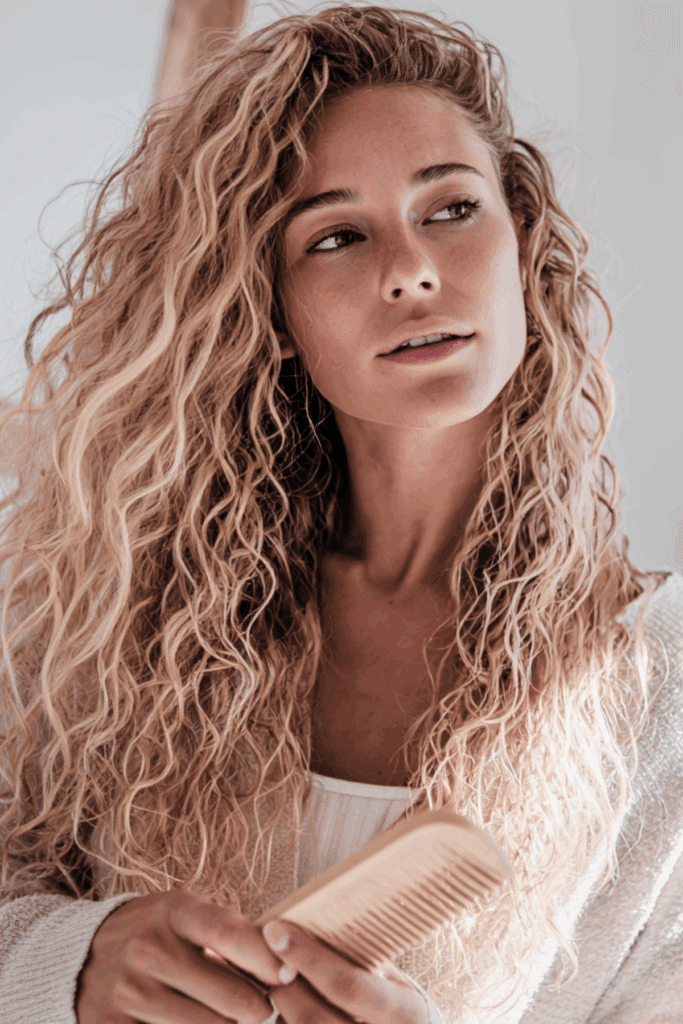
A bedtime style works best when your hair feels calm first.
Think of it like packing a suitcase.
If you shove everything in totally messy, it wrinkles.
If you fold it first, everything sits better.
Start by checking two things: tangles and dryness.
If your ends snag when you run your fingers through, take 30 seconds to detangle.
Otherwise, you’ll twist knots tighter overnight.
A gentle brush or wide-tooth comb is usually enough.

Begin at the ends, then move upward, so you don’t rip through a knot.
Next, consider moisture.
Hair that’s too dry tends to puff and frizz by morning.
Hair that’s too wet can bend in odd spots and feel weak.
Your goal is hair that’s mostly dry, smooth, and easy to gather.

Comfort matters just as much as results.
If your scalp feels sore or your hairline feels pulled, you won’t sleep well.
Over time, too much tension can also stress your edges and cause breakage.
Aim for “secure, not tight.”
If your style feels like a headache waiting to happen, loosen it now, not at 2 a.m.
Also, don’t ignore scalp health.
If you use heavy products at night, the buildup can itch and make you scratch in your sleep.
Keep it light.
Save richer oils and butters for wash day, unless your hair truly needs them.
If your bedtime style hurts, it’s not protective. Comfort is part of hair care, not a bonus.
Dry or Damp, When to Style Your Hair For Bed

Knowing how to sleep with wet hair is incredibly important.
Soaking wet hair is fragile.
When it’s stretched and swollen with water, it breaks more easily.
It also molds into strange bends against your pillow, which can leave dents that last all morning.
On the other hand, bone-dry hair can feel static-y and frizz up fast, especially if you have waves or curls.
A tiny bit of moisture can help, as long as you don’t soak your roots.

Use a simple rule of thumb:
- If your hair is straight or fine, keep it fully dry or just barely misted at the ends. Too much water can create kinks and flat roots.
- If your hair is wavy, aim for 85 to 95 percent dry. A small amount of leave-in on the last few inches helps reduce frizz.
- If your hair is curly, style it around 70 to 90 percent dry, depending on density. Thicker curls often handle a bit more dampness.
- If your hair is coily, you can set it slightly more damp, but avoid a tight style until it’s mostly dry. Coils can stay wet longer near the scalp.
No matter your pattern, go extra gentle if your hair is fragile.
After bleaching, heat damage, or a fresh color service, skip tight ties and choose looser, lower-tension styles.
Your Sleep Toolkit, Scrunchies, Satin, and a Soft Brush

You don’t need a drawer full of tools.
You just need a few things that won’t snag or scrape your hair.
A soft tie matters because it touches the same spot for hours.
Satin silk scrunchies spread pressure and help prevent dents.

Spiral hair ties can work well, too, especially for medium hair, because they hold without squeezing one spot.
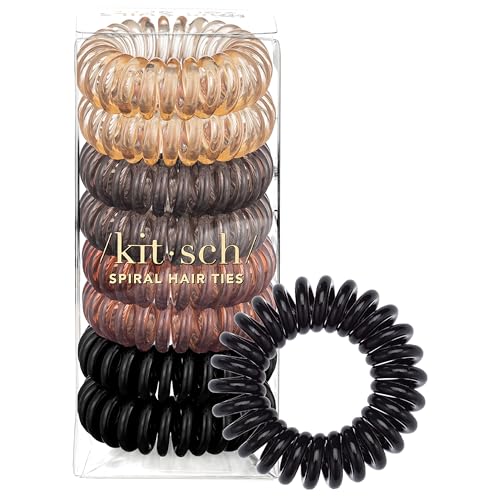
Rubber bands are rough because they grab strands and don’t give.
Even “gentle” elastics can cause breakage if they’re thin and tight.
Bobby pins usually aren’t worth it for sleep.
They can poke your scalp, shift, and create pressure points.
If you must secure a piece, use one pin briefly while you get ready for bed, then remove it before you lie down.

For friction control, you have two main options: a satin pillowcase or a satin bonnet.
A pillowcase feels cooler and less confining, which some people love.

A satin bonnet protects more consistently, especially if you toss and turn.
Either one reduces rubbing, which means less frizz and fewer tangles.
A simple toolkit to keep nearby:
- A wide-tooth comb or soft brush
- One to two satin or silk scrunchies
- A satin pillowcase or bonnet
- Optional: a light leave-in conditioner for ends
Once your prep is set, your hairstyle will actually hold, without fighting you all night.
Cute Night Hairstyles That Feel Comfy for Sleep
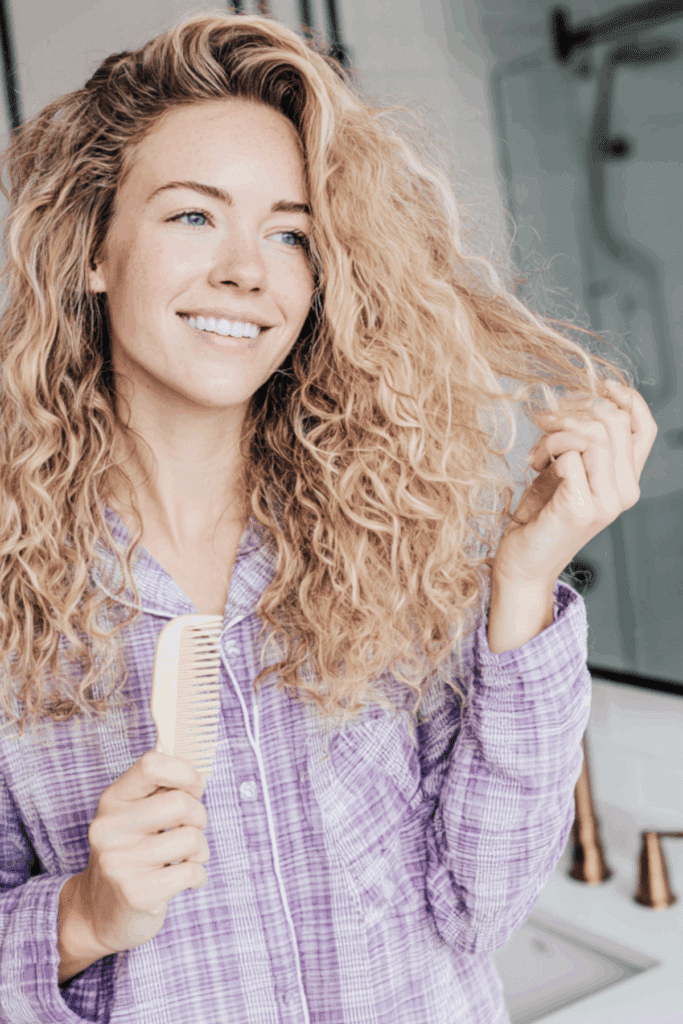
A good sleep style does three jobs at once.
It reduces friction, limits tangles, and keeps your hair from getting crushed.
And yes, it can still look cute.
The trick is choosing a style that matches your hair’s texture and your own comfort level.
You’ll notice a theme in the options below: low tension, soft ties, and placement that respects how your head hits the pillow.
If you’ve ever taken your hair down in the morning and thought, “Why does it feel angry?” it was probably pulled too tight or rubbed too much.
The Loose Braid That Stops Tangles
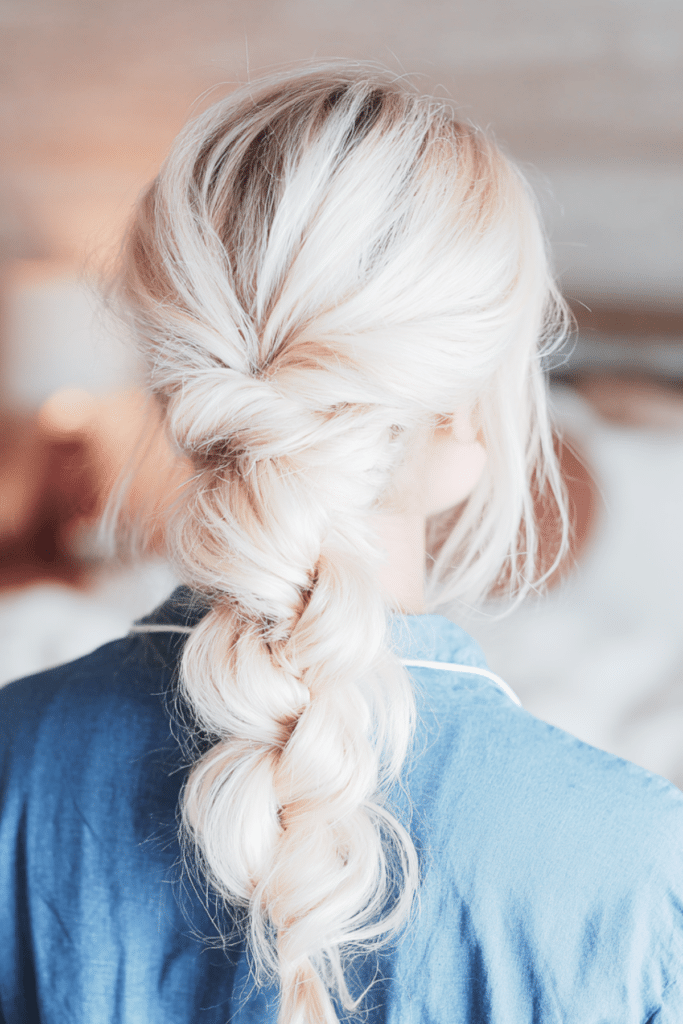
This is the “classic for a reason” choice.
It keeps hair together, prevents knotty ends, and looks like you tried, even if you were half-asleep when you did it.
First, gently detangle, then smooth a tiny bit of leave-in on your ends if they feel dry.
Next, gather your hair at the nape of your neck, keeping it loose at the scalp.
Then braid softly, without pulling each section tight.
Secure it with a satin scrunchie, and lightly “pancake” the braid with your fingers so it sits wider and softer.

If you sleep on your side, shift the braid over one shoulder so you’re not lying on the tie.
If your hair is thick, two loose braids can feel more balanced and reduce bulky pressure at the back of your head.
In the morning, you’ll often get gentle waves, especially with straight or wavy hair.
With curls, a loose braid can help keep ends from frizzing and reduce tangles, even if your curl pattern stays mostly the same.
Best for: medium to long hair, straight to curly, fine to thick (especially if you tangle easily).
The Pineapple Ponytail for Curls

If you have curls, you already know the struggle: you go to bed with definition, then wake up with flat roots and squished sides.
Knowing how to sleep with curly hair is key.
A pineapple helps because it lifts your curls up and away from the pillow.
Start by flipping your head forward and gathering hair high on the crown.
The placement should be high, but it shouldn’t pull.
Use a large satin scrunchie, and wrap it only as many times as needed to hold.
If the scrunchie feels tight, it’s not the right size.
Shorter layers can pop out, and that’s normal.
Instead of pinning them, try a satin scarf.

You can loosely tie it around your hairline to keep pieces tucked, without sharp pressure from clips.
By morning, your curl shape usually stays more intact, and your roots have a better chance of staying lifted.
This style tends to work best for medium to long curly or coily hair, since very short curls may not reach the crown.
Best for: medium to long curly and coily hair, especially if you hate flat roots.
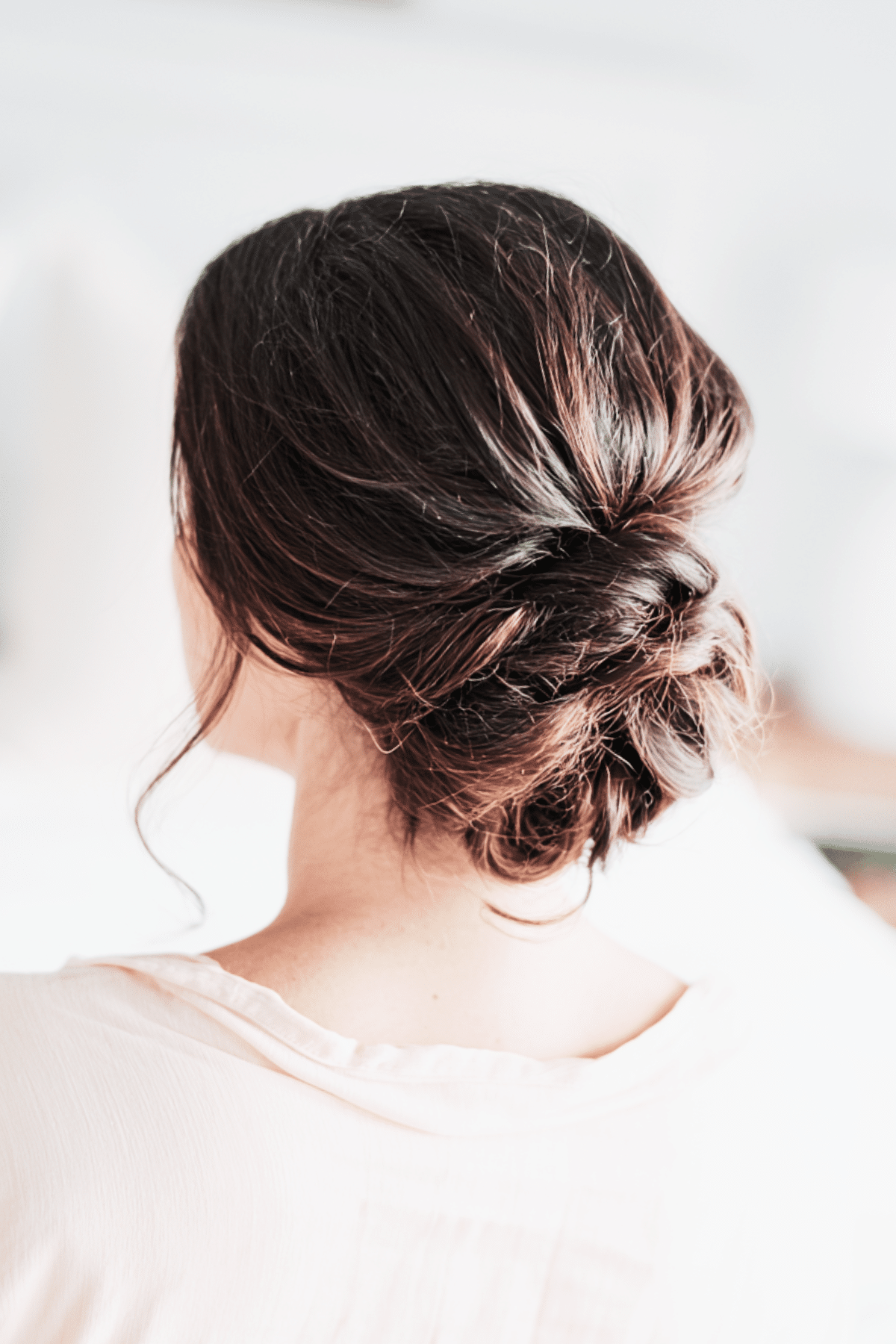
The Loose Bun
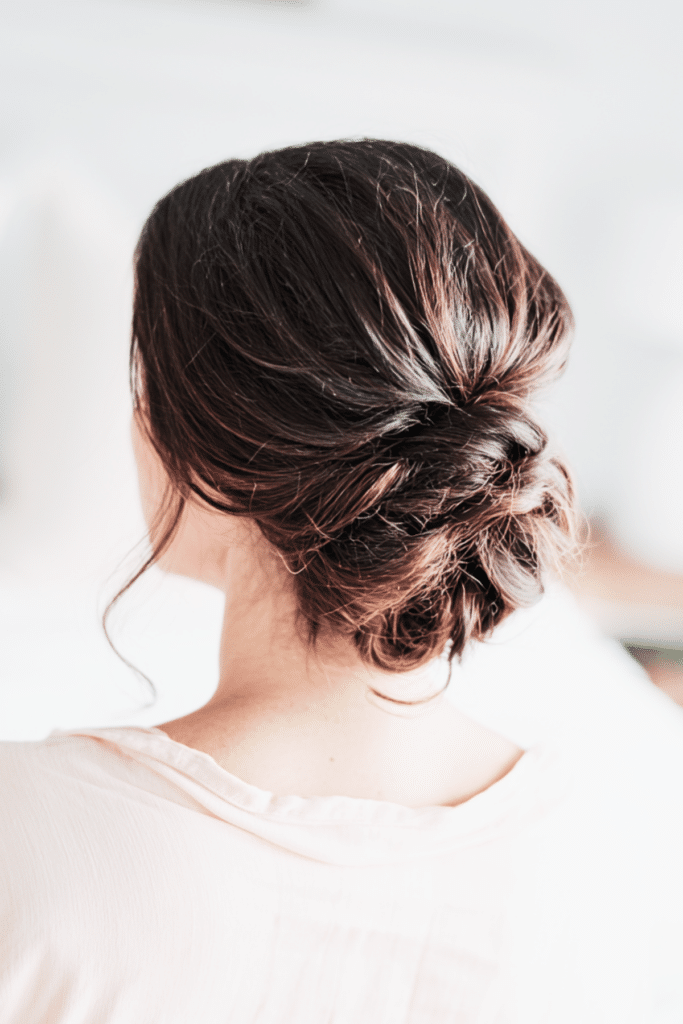
A loose bun is great when you want ends contained and knots minimized.
Long hair loves to tangle at night, and a soft bun helps prevent that “bird’s nest” effect in the back.
Start by gathering your hair enough that it sits above where your shoulders rest.
Twist gently one time, then coil the hair into a bun.
Don’t crank it tight, and don’t twist until it feels like rope.
Secure with a scrunchie, wrapped once or twice.
If you need more hold, use a second scrunchie instead of wrapping the first one tighter.
That helps you avoid dents and stress points.
Heatless Curls Overnight
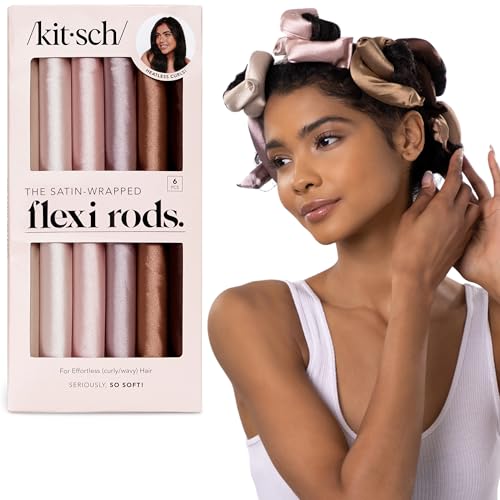
If you want a styled look in the morning, a no-heat set can do a lot, as long as it’s comfortable.
The key is starting with hair that’s mostly dry.
If it’s too wet, it takes forever to dry and can feel weak.
Part your hair down the middle, then place a satin heatless hair curlers.
Wrap sections away from your face, keeping the tension gentle.
Sleep on a satin pillowcase to reduce friction.
In the morning, unwrap, shake out, and smooth a tiny bit of lightweight serum over the ends if needed.

If you want it to look cute while you walk around, add a scarf or clip after you wake up, not for sleep.
Best for: straight, wavy, and loose-curly hair, also for medium thickness that holds shape well. Very coily hair can do it too, but results vary more by length and dryness.
Match the Style to Your Hair Type (And the Way You Sleep)
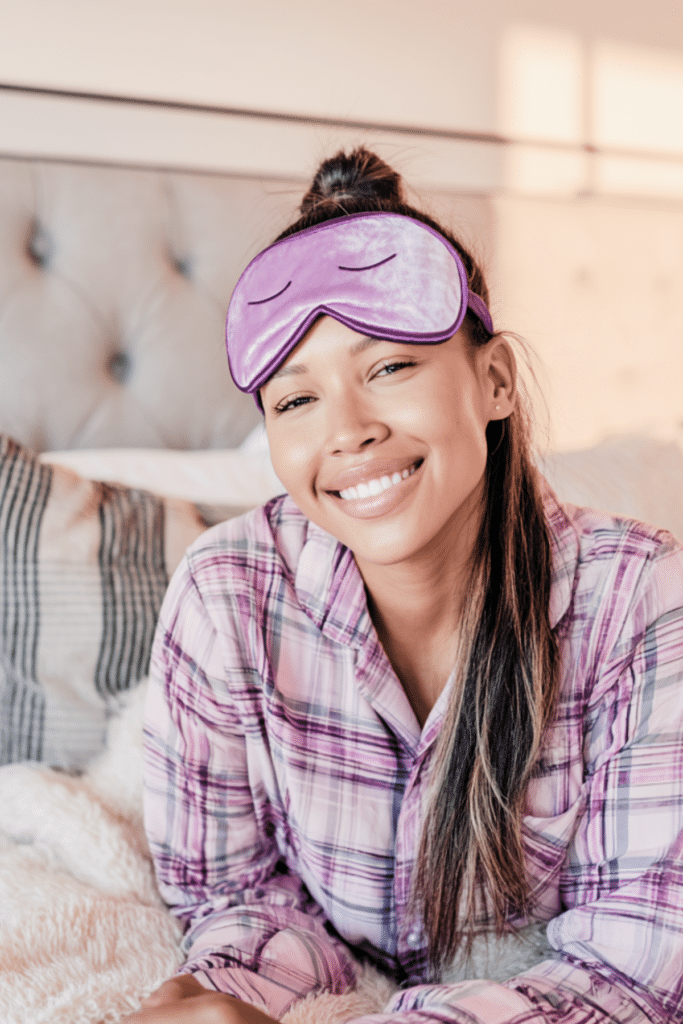
Choosing between styles gets easier when you think about pressure points and movement.
Side sleepers often do better with styles that sit off-center, like a side braid or a high pineapple.
Back sleepers can handle a centered top knot, as long as it sits high enough.
Stomach sleepers usually need the flattest option, like a low braid or two low braids, because anything bulky can feel annoying fast.
Hair texture matters too.
Straight hair dents easily, so softer ties and looser wraps help.
Wavy hair tends to frizz from friction, so satin makes a bigger difference than you might expect.
Curly and coily hair often needs lift and protection at the ends, so pineapples, bonnets, and low-tension buns can be your best friends.
Also, think about your environment.
If you sleep hot or sweat at night, a tight bonnet may feel uncomfortable.
In that case, a satin pillowcase and a low braid can protect your hair without trapping heat.
Protective hairstyles count here, too.
If you wear braids or twists, you still benefit from reduced friction.
A satin pillowcase or bonnet can keep your style neater longer.
If You Have Short Hair, Fine Hair, or Layers That Slip Out
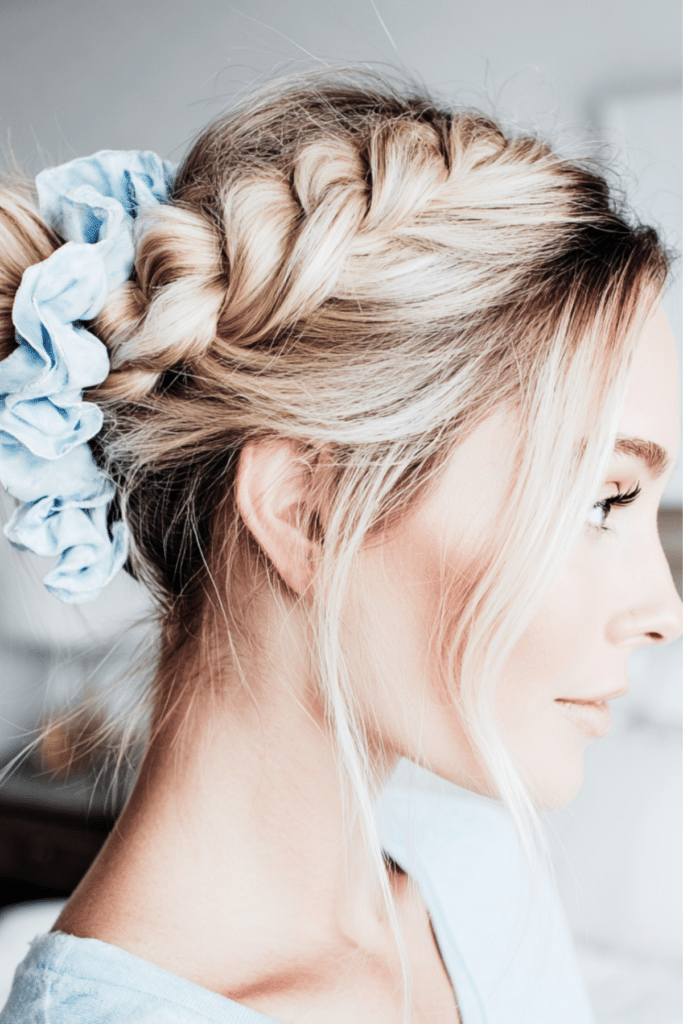
Short hair can be tricky because it doesn’t always reach a scrunchie.
Fine hair can slip out, then tangle anyway.
Layers can escape and poke you in the eye by morning.
You still have options, and they don’t need to feel childish.
Two mini braids near the front can keep face-framing pieces controlled.
Loose low pigtails can also work, as long as the ties are soft and not tight.
If your hair is too short to tie at all, a soft headband paired with a satin pillowcase can reduce friction and keep your part looking cleaner.
A small claw clip can help you “set” direction while you do skincare or read in bed.
Still, remove it before you fall asleep.
Sleeping on a clip can stress hair and scalp, and it can snap strands if you roll onto it.
For bangs, keep it simple.
Sweep them to the side and let them rest, or lightly roll them with a soft velcro-free roller before bed, then take it out if it bothers you.
Comfort comes first, because you won’t stick with a routine that ruins your sleep.
If You Toss and Turn, Sweat at Night, or Get Headaches Easily
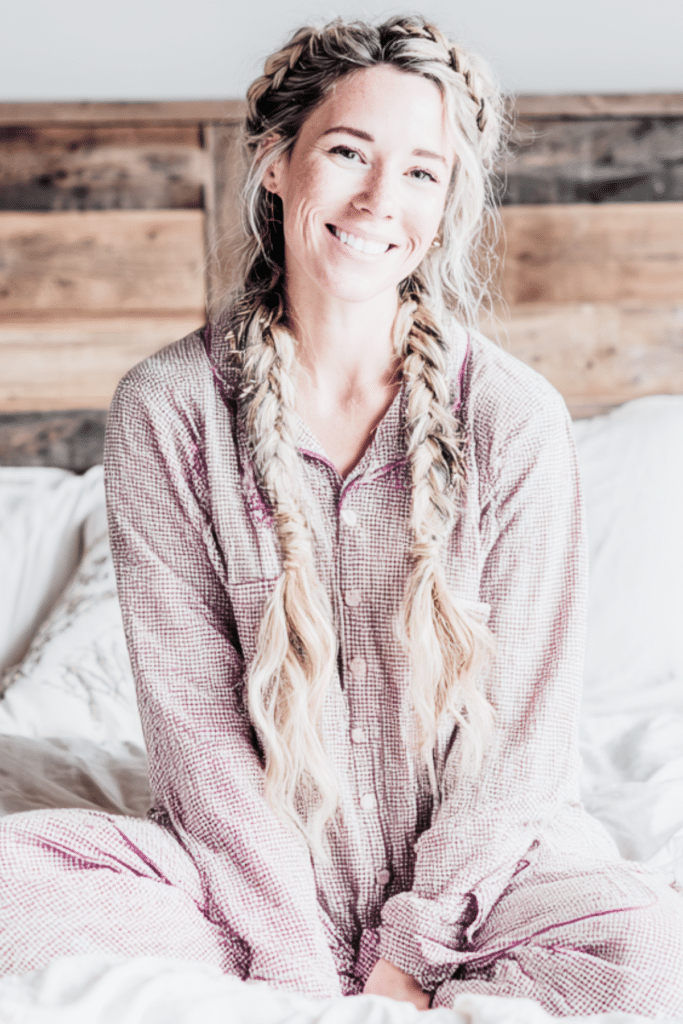
Restless sleepers need styles that stay put without pulling.
If you wake up with a sore scalp, you’re probably tying too tightly, or placing the style where your head presses.
Start by loosening the tie.
One less wrap can make a big difference.
Next, move the bun or braid to the side, so it’s not trapped between your skull and the pillow.
A low braid can also help because it spreads hair out and reduces tugging during movement.
If you sweat at night, choose breathable options.
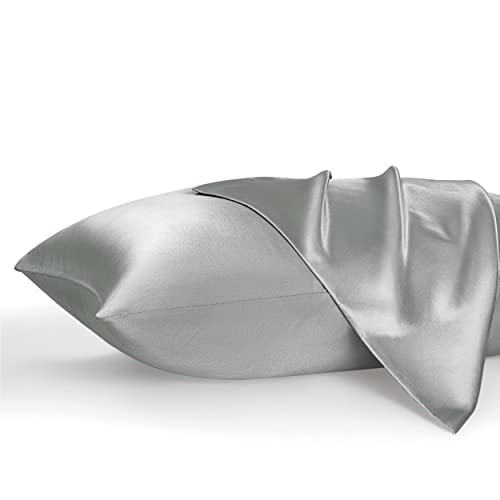
A satin pillowcase may feel cooler than a bonnet, although a roomy, lightweight bonnet can still work if it doesn’t trap heat.
Either way, avoid heavy products at the roots, since sweat plus buildup can itch.
Most importantly, protect your edges.
Pick a style that feels secure but doesn’t pull at your hairline.
Your goal is to wake up without that tight, tired feeling around your temples.

Final Thoughts
At the end of the day, night hairstyles sleep aren’t about being high-maintenance — they’re about being intentional.
A few small adjustments before you climb into bed can completely change how your hair looks and feels the next morning.
Less tangling. Less frizz. Less time spent trying to “fix” things before you walk out the door.
The best part?
It doesn’t have to be complicated.
The right nighttime style should feel comfortable, realistic, and easy enough to stick with.
If it works with your routine instead of against it, you’re far more likely to keep doing it.
So whether you start with a loose braid, a soft wrap, or a simple protective style, think of it as part of caring for yourself — not just your hair.
Better sleep. Better mornings. And hair that feels a little more manageable when the alarm goes off.
That’s a win all around.
Need more help with bedtime? Grab a free printable night routine checklist below, and we’ll send it straight to your inbox!
Your Turn
Now I’d love to hear from you! Do you have some go-to night hairstyles that save your strands? Are you a fan of loose braids, buns, or curls — or still experimenting to find your perfect style? Let me know in the comments below!
RELATED POSTS:
- Sleep Hairstyles You’ll Want to Start Wearing Tonight for Better Hair Tomorrow
- How to Sleep With Wet Curly Hair Without Waking Up to Frizz
- Bedtime Hairstyles for Sleep: Protect Your Hair Without Losing Comfort
- Protective Hairstyles For Sleeping for Curly, Wavy, and Straight Hair
- How To Sleep With Wet Hair the Right Way (No Frizz, No Stress)
- How to Sleep With Curly Hair: Easy Tips for Curly Hairstyles


Hi, I’m Debbie, general manager of a mattress store chain with 25+ years helping people improve their sleep quality. At Sweet Sleep Tips, I share natural, practical sleep solutions, calming bedtime habits, and printable tools to help you fall asleep faster and wake up refreshed. My goal is to make better sleep simple, healthy, and stress-free.
Follow me on Pinterest, Instagram, and Facebook to stay up to date with all the latest Sweet Sleep Tips.



I love this! It’s so hard not to wake up with crazy hair when you have curls. Even though it’s been much better since I bought a satin pillowcase, I really want to try some of these hairstyle ideas.
Thanks for sharing!
My go to night time hair is a loose braid but I usually loose my hair ties so I tuck the ends into themselves creating a little knot. I also sleep with a flannel pillow case which can sometimes leave my hair a bit of a mess in the morning. I love the look of the side braid but haven’t mastered it yet.