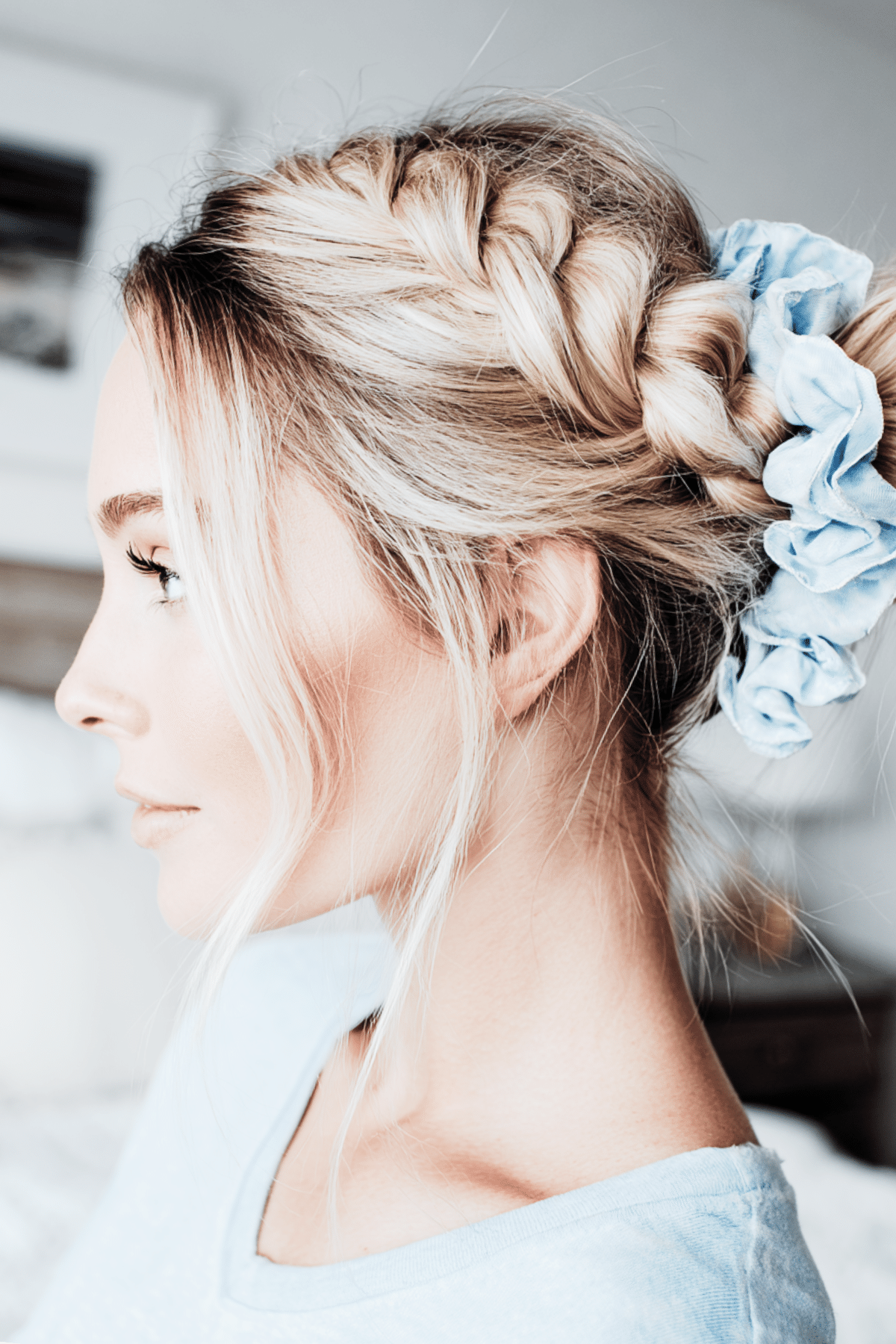
Bedtime Hairstyles for Sleep: Protect Your Hair Without Losing Comfort
Do you ever wake up with hair that feels like it fought a small battle overnight? If so, you’re not alone! Keep reading to find the best bedtime hairstyles for sleep.
I may earn a small commission for affiliate links in this post at no extra cost to you. Please read my privacy policy and privacy page for more information. As an Amazon Associate, I earn from qualifying purchases.

If there’s one thing you should know about me, it’s that I take my sleep seriously.
Around here, bedtime isn’t just a routine — it’s a ritual.
A calm mind, a cozy space, and a solid night of rest are non-negotiables for me.
Quality sleep affects everything: mood, focus, energy, and even how we feel about ourselves the next day.
And over the years, I’ve learned that something as simple as how you wear your hair to bed can actually make a big difference.
As someone with naturally curly hair, I’ve definitely had my fair share of frizz, flat spots, mysterious dents, and the occasional “what happened overnight?” moments.
I quickly realized that the wrong bedtime hairstyle can undo a good wash day — and the right one can help you wake up looking refreshed with minimal effort.
That’s a win in my book.
I’ve personally tested so many different bedtime hairstyles for sleep — from loose braids to protective styles to curly-friendly wraps — all in the name of better mornings and healthier hair.
Some were total game-changers, and some… well, let’s just say we learn and move on.
I’m so excited to share my favorite protective sleep hairstyles with you, too.
Whether your goal is preventing breakage, preserving curls, or just waking up without a tangled mess, I’ve got ideas that are practical, comfortable, and actually realistic for real life.
So, are you ready to make bedtime work for your hair — not against it?
Great! Grab a snack, settle in, and let’s get into it!
Start With a Quick Bedtime Routine That Makes Any Sleep Hairstyle Work Better
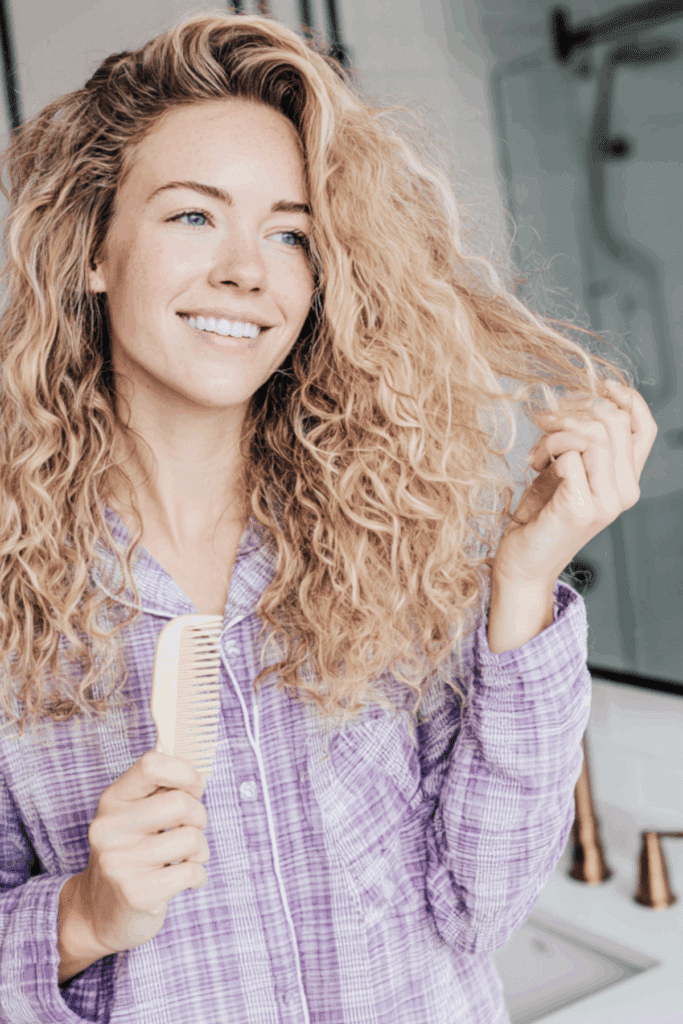
Your sleep hairstyle won’t do much if your hair goes to bed thirsty, tangled, or pulled too tight.
The good news is you don’t need a 20-minute routine.
You need about 3 to 5 minutes and a few smart choices that keep things soft and low tension.
Here’s a quick flow that works for most people:
- Check your ends first. If they feel rough, add a tiny bit of moisture there, not on your scalp.
- Detangle gently. Fingers or a wide-tooth comb usually beat a hard brush at night.
- Choose one tool. A satin scrunchie, a bonnet, or a satin pillowcase is often enough.
- Set the style loosely. If your eyebrows lift from the tension, it’s too tight.
Comfort matters as much as protective hairstyles for sleeping.
If you can’t relax in the style, you’ll rip it out at 2 a.m., and your hair will pay for it.
A good bedtime hairstyle should feel like “barely there.” If you feel pulling, redo it looser.
Just as important is what you avoid.
Tight elastics can chew through strands, especially around your hairline.
Heavy products at night can also backfire, because buildup plus friction can lead to itch, flakes, and limp roots by morning.
And if you’re a side sleeper, bulky clips or knots in the wrong spot can leave your neck sore.
The goal is low friction, low stress, and protected ends.
Once those three are covered, almost any sleep hairstyle gets better.
Prep Your Hair the Right Way (Dry vs. Damp, Detangle, and Where to Apply Product)

Start by deciding if you should style on dry hair or lightly damp hair.
Dry hair works best when you’re trying to preserve a blowout, stretch, or smooth look.
Lightly damp hair can help with sleeping with curly hair, and coils clump and behave, especially if you’re setting twists or braids.
Keep “lightly damp” honest.
Your hair should feel cool, not dripping.
Going to bed with soaking wet hair can make your scalp feel cold and irritated, plus wet strands stretch more and break easier.
It can also leave that musty smell on pillows and bonnets, which nobody wants.
Next, detangle with patience.
Begin at the ends, then move upward in small sections.
If your hair snags easily, use your fingers first, then follow with a wide-tooth comb.
That small change saves a lot of breakage.
When you add a product, place it where it helps most.
Use a pea-size amount of leave-in or a few drops of oil on ends only, then smooth it down with your hands.
Use Sleep-Friendly Tools That Reduce Friction and Stress on Your Edges

Friction is the quiet troublemaker.
Cotton pillowcases grab hair like Velcro, which leads to frizz and tangles by morning.

A silk pillowcases lets hair slide instead of snag.
If you wear a silk bonnet or scarf, that’s great too, and helpful when traveling.

In addition, your hair tie matters even more than you think.
Swap tight elastics for satin scrunchies or soft fabric ties.

Claw clips can be fine if you can sleep comfortably in them.
The trick is placement.
Put the clip high on your head so you’re not lying on it, or skip it if you’re a side sleeper who presses into the pillow.

Above all, protect your edges.
If a style pulls at your hairline, it’s not a protective style, even if it looks neat.
Choose soft tension that holds your hair in place without tugging.
The Best Bedtime Hairstyles for Sleeping, Based on Your Hair Type and Length
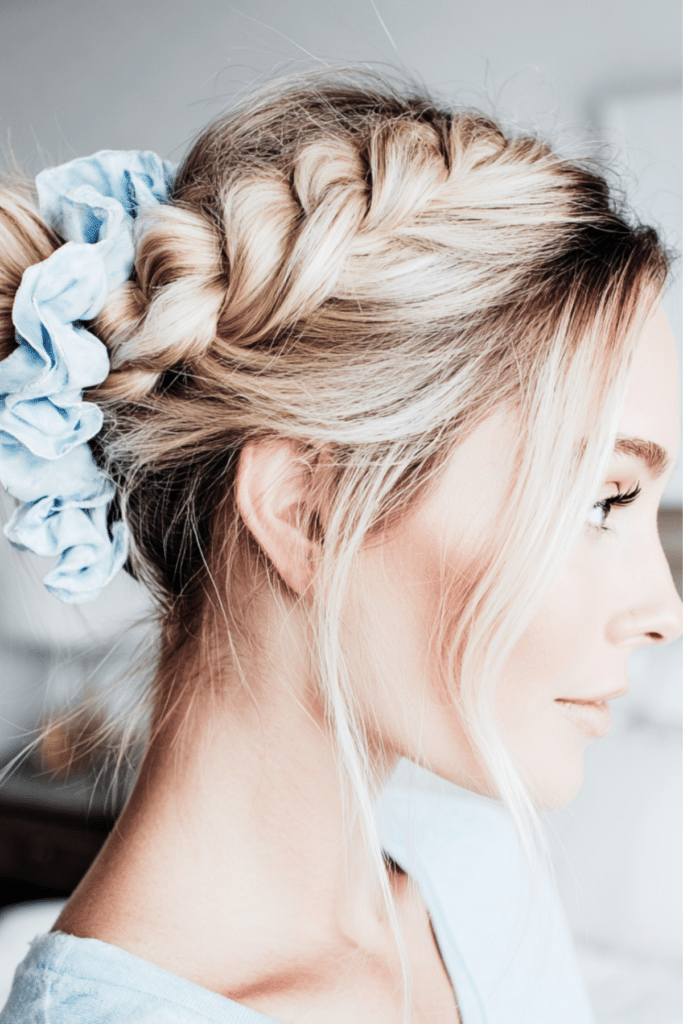
The “best” sleep hairstyle is the one you’ll actually keep on all night.
So think about two things: your hair type and how you sleep.
Side sleepers need styles that sit high or low, not right where your head rests.
If you toss and turn, you’ll want extra control, like a bonnet over the style.
Below are the most comfortable, low-tension bedtime hairstyles for sleeping, with clear steps and the kind of morning results you can feel right away.
Loose Low Braid or Two Braids for Less Tangling and Smoother Ends
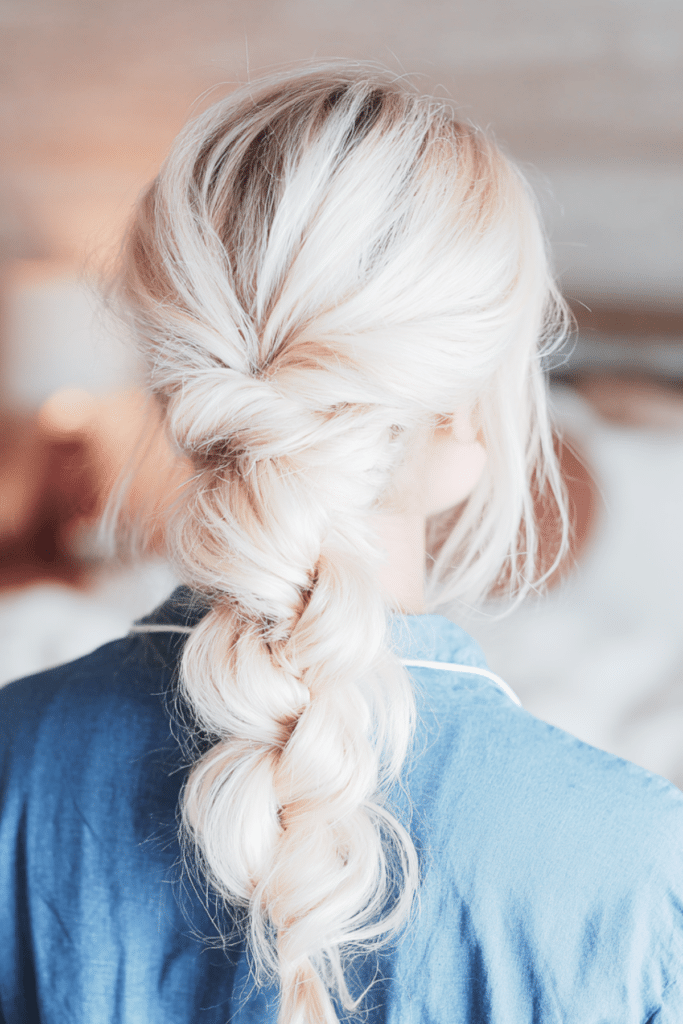
If you want a simple option that works night after night, start here.
Loose braids reduce tangles, keep ends tucked away, and help hair look smoother in the morning.
They’re especially helpful for medium to long hair, straight to wavy, and they can also stretch curls without crushing them.
First, gather your hair at the nape of your neck for a low braid.
A low start feels better for many side sleepers, because it avoids a bump at the crown.
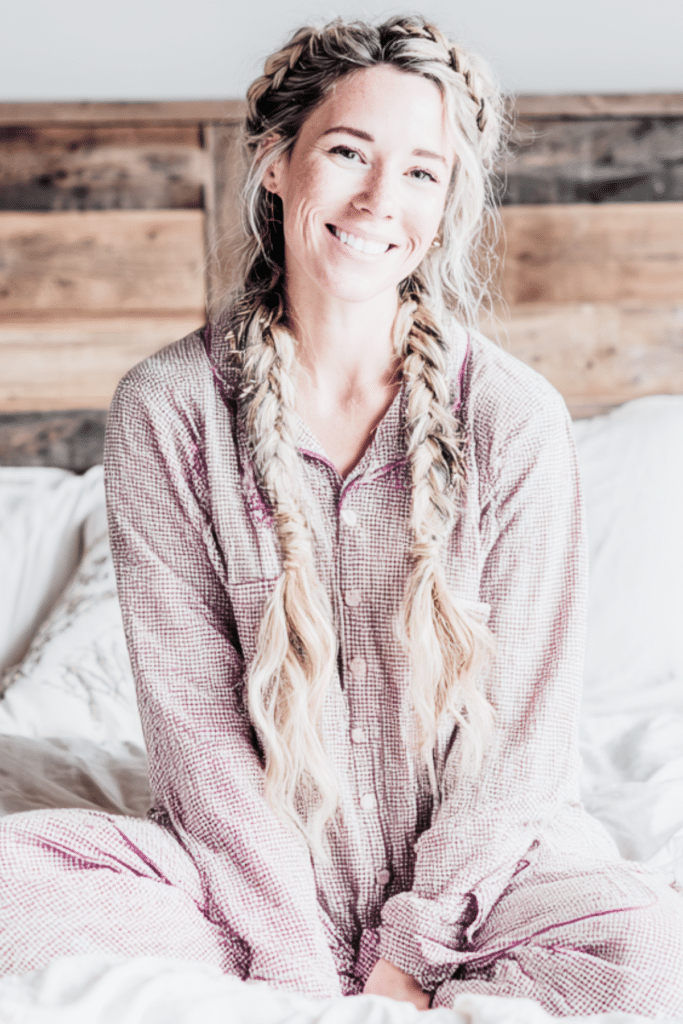
If your hair is thick or you want more even tension, split it into two sections and do two braids instead.
Next, braid with light hands.
You’re guiding the hair, not yanking it.
If your braid looks perfect but your scalp feels tight, it’s too tight for sleep.
Finally, secure the ends with a soft scrunchie.
If your ends are fragile, stop braiding an inch before the tips, then fold the ends under and scrunchie that folded section.
It keeps the very ends from rubbing.
One warning is worth repeating: tight braids can cause breakage, especially near your hairline.
If your temples feel sore in the morning, loosen the braid and start it lower.
For restless sleepers, a satin bonnet over the braid helps keep it from unraveling and reduces friction even more.
Pineapple Ponytail (or Loose High Puff) to Keep Curls and Coils From Getting Smashed

When you want your curl pattern to survive the night, the pineapple is your friend.
It keeps curls and coils up and away from the pillow, so you wake up with more shape and less frizz.
Flip your head forward, then gather your hair high on the crown.
Use a satin scrunchie and wrap it only enough to hold.
The ponytail should feel loose, almost like it could slide a little.
Leave some volume at the front so your roots don’t get flattened.
If your curls tend to frizz at the perimeter, smooth just the outer layer with damp hands or a tiny bit of leave-in.
Skip heavy gel at bedtime, because it can feel crunchy against your pillow.
Pair the pineapple with a bonnet or scarf if you move a lot in your sleep.
That extra layer keeps curls from escaping and rubbing.
If your hair is short and won’t reach a full pineapple, you’ve still got options.
Try a mini pineapple with a couple of gentle clips to guide the front upward, then cover with a bonnet.
Another easy choice is skipping the ponytail and using only a bonnet, as long as your hair isn’t matted before you put it on.
Side sleeper tip: keep the pineapple slightly forward on the crown, not directly on the back of your head. That way, you’re not pressing on the tie all night.
Loose Top Bun or Two Space Buns for Comfort and Reduced Friction
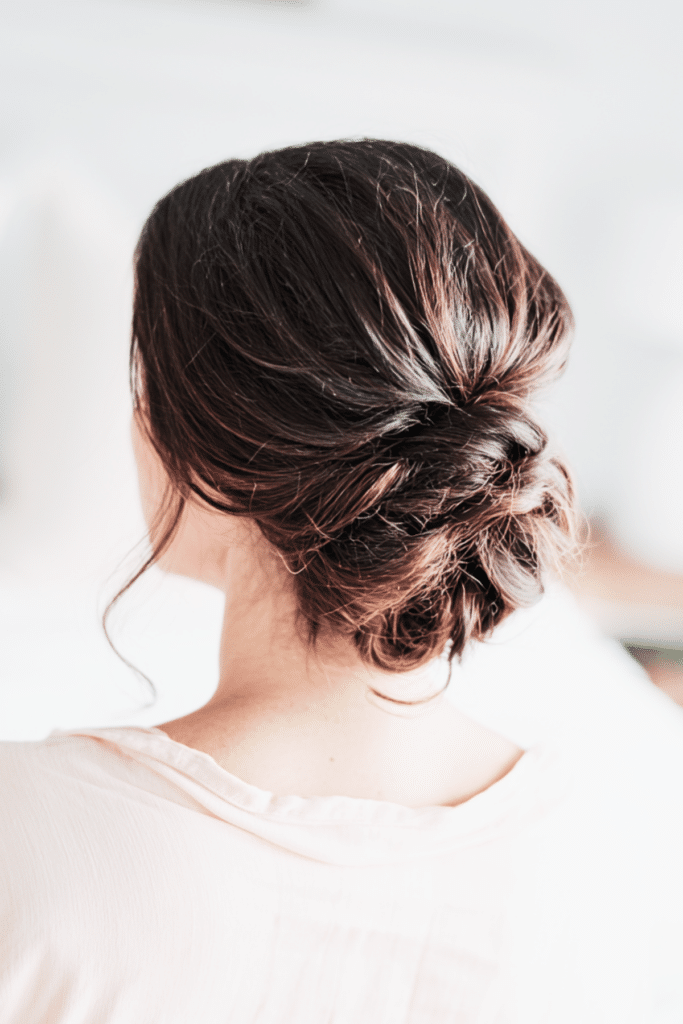
A loose bun is great when you want ends contained and knots minimized.
Long hair loves to tangle at night, and a soft bun helps prevent that “bird’s nest” effect in the back.
Start by gathering your hair enough that it sits above where your shoulders rest.
Twist gently one time, then coil the hair into a bun.
Don’t crank it tight, and don’t twist until it feels like rope.
Secure with a scrunchie, wrapped once or twice.
If you need more hold, use a second scrunchie instead of wrapping the first one tighter.
That helps you avoid dents and stress points.
Two space buns work well if your hair is thick or if one bun feels too heavy.
Part your hair down the middle, then make two loose buns on each side.
This also helps if you sleep on your back, because the buns can sit to the sides instead of right under your head.
Fine hair that flattens easily needs a softer approach.
Make the bun extra loose, then rely on a satin pillowcase to reduce friction.
In the morning, shake your roots with your fingertips instead of brushing, so you keep the lift without frizz.
If a bun leaves a hard crease, it’s almost always too tight, or the tie is too small.
Twists or Braids for Textured Hair to Lock In Moisture and Reduce Breakage

For curly and coily hair, twists and braids can be a comfort move and a hair health move at the same time.
They keep strands grouped together, which lowers rubbing and helps reduce single-strand knots.
Begin with hair that’s dry or lightly damp.
Apply a light moisturizer through the mid-lengths, then use a little oil or butter to seal the ends.
Keep the product light enough that your hair still feels touchable.
Then choose your setup:
- Two-strand twists if you want definition and easy take-down.
- Medium braids if you want more stretch and less shrinkage.
- Banding (soft hair ties spaced down the length) if you want, stretch with minimal braiding.
Whatever you pick, keep tension low at the root.
Your scalp should feel calm.
If you see your skin pulling, or your edges look strained, redo it looser.
Edges need the most kindness at night, so leave them slightly less tight than the rest.
To protect the style, cover with a satin bonnet or scarf.
If you hate bonnets, a satin pillowcase still helps, but twists can fuzz up faster without a cover.
Morning payoff is usually obvious: less matting, fewer tangles, and ends that don’t feel as shredded.
Common Bedtime Hair Mistakes That Can Wreck Your Hair (And Your Sleep)
You can do everything “right” and still wake up frustrated if one habit keeps tripping you up.
Most bedtime hair mistakes fall into two categories: too much tension or too much friction.
Both can ruin your hair, and both can make sleep uncomfortable.
The fix usually isn’t buying more products.
It’s adjusting pressure, placement, and what touches your hair all night.
Tension, Tight Elastics, and Heavy Products (And What To Switch To)

If you wake up with a sore scalp, your style is too tight.
That tension can lead to headaches, breakage, and thinning around the hairline over time.
Tight elastics are a common cause, because they grip one small area and grind against the same strands.
Switch to a satin scrunchie, a soft fabric tie, or a spiral tie used loosely.
Also, place your tie where it won’t take all the pressure, like slightly forward on the crown for pineapples.
Heavy products can cause their own problems at night.
Oils and butters on the scalp can trap heat and sweat, then leave you itchy by morning.
Keep richer products on the ends, and go lighter near your roots.
One more thing helps more than people expect: wash your bonnet and pillowcase regularly.
Buildup from hair products and skin oils can make hair dull and scalp irritated.
Sleeping With Wet Hair, Skipping Detangling, or Using Cotton Against Your Hair

Wet hair feels harmless, but it’s weaker.
When you sleep on it, strands stretch, snag, and break more easily.
Wet roots can also leave your scalp feeling swampy, and that can lead to odor.
Cotton adds another issue.
It pulls at hair and steals moisture, so you wake up frizzier and drier.
If you need simple how to sleep with wet hair tips, try:
- Air dry until your hair is only slightly damp before styling.
- Use a microfiber towel for a quick squeeze, not a rough rub.
- Detangle for 60 seconds before bed, starting at the ends.
- Sleep on satin or silk, or wear a bonnet if you prefer it.
Even small changes add up fast.
Less friction means fewer tangles, and fewer tangles mean less breakage when you detangle in the morning.

Final Thoughts
At the end of the day (literally), bedtime should feel calm, simple, and supportive — not complicated.
The right bedtime hairstyle for sleep isn’t about perfection.
It’s about protecting your hair, making your mornings easier, and creating a routine that works with your natural texture instead of fighting it.
As someone with naturally curly hair, I’ve learned that small changes can make a big difference.
A gentle braid, a loose pineapple, a silk scrunchie — these tiny swaps have helped me reduce frizz, prevent breakage, and wake up feeling just a little more put together.
And when you care about sleep as much as I do, anything that helps you rest easier (and wake up happier) is absolutely worth it.
Need more help with bedtime? Grab a free printable bedtime habit tracker below, and we’ll send it straight to your inbox!
Your Turn
Now I’d love to hear from you! Do you have a go-to bedtime hairstyle that saves your strands overnight? Are you team loose braid, silk wrap, messy bun — or still experimenting to find your perfect fit? Let me know in the comments below!
RELATED POSTS:
- Sleep Hairstyles You’ll Want to Start Wearing Tonight for Better Hair Tomorrow
- How to Sleep With Wet Curly Hair Without Waking Up to Frizz
- Cute Night Hairstyles for Sleep for Curly, Straight, or Wavy Hair
- Protective Hairstyles For Sleeping for Curly, Wavy, and Straight Hair
- How To Sleep With Wet Hair the Right Way (No Frizz, No Stress)
- How to Sleep With Curly Hair: Easy Tips for Curly Hairstyles


Hi, I’m Debbie, general manager of a mattress store chain with 25+ years helping people improve their sleep quality. At Sweet Sleep Tips, I share natural, practical sleep solutions, calming bedtime habits, and printable tools to help you fall asleep faster and wake up refreshed. My goal is to make better sleep simple, healthy, and stress-free.
Follow me on Pinterest, Instagram, and Facebook to stay up to date with all the latest Sweet Sleep Tips.



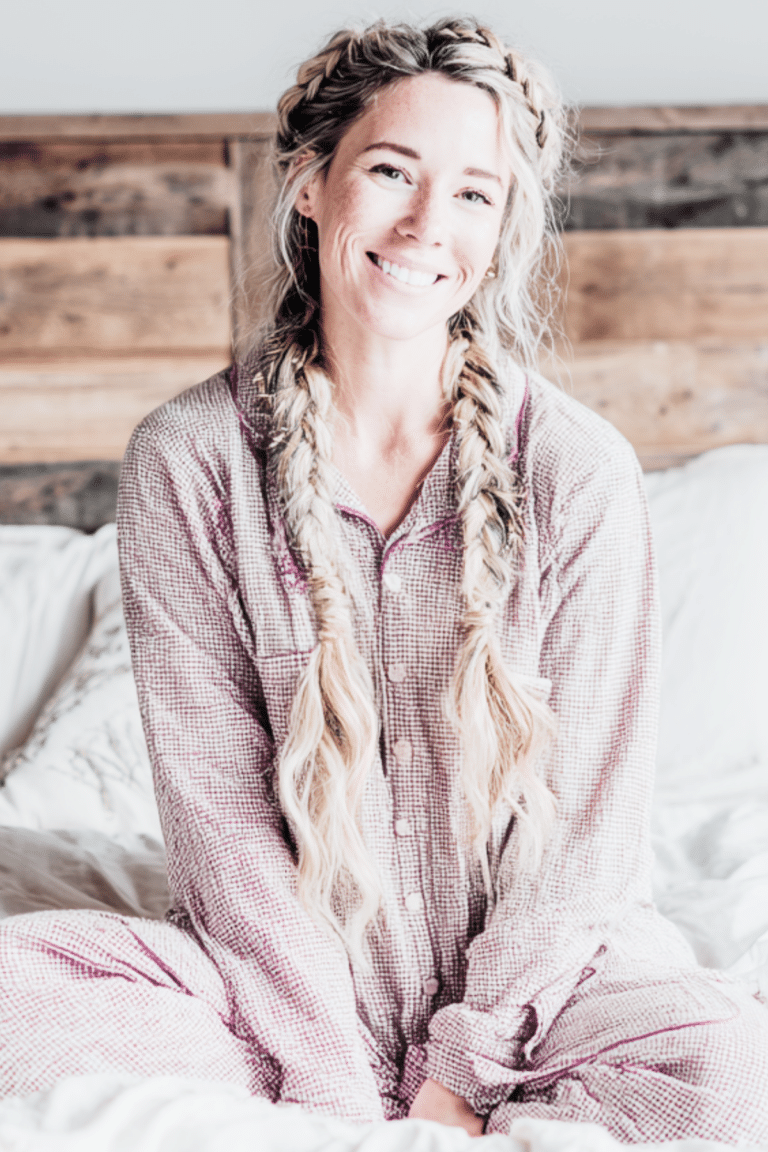
What works best for my fine hair is to pull it up into a loose bun with a silk scrunchie. If I want to add some curls, I will braid it into two pigtails. I love this look for summer beachy waves.