
Protective Hairstyles For Sleeping for Curly, Wavy, and Straight Hair
Are you tired of waking up with frizz, tangles, or breakage that is often caused by not using the right protective hairstyles for sleeping? Then keep reading to learn which protective hairstyles for sleeping actually help your hair overnight and make mornings easier for straight, wavy, and curly hair.
I may earn a small commission for affiliate links in this post at no extra cost to you. Please read my privacy policy and privacy page for more information. As an Amazon Associate, I earn from qualifying purchases.
If you’ve ever woken up with tangled hair, frizz, or breakage that somehow looks worse than when you went to bed, your nighttime hairstyle might be the problem.
As someone with naturally curly hair, I’ve learned that how you wear your hair to sleep can make a huge difference in how healthy it looks and feels in the morning.
That’s why choosing the right protective hairstyles for sleeping is so important for reducing friction, preventing damage, and making mornings easier.
After plenty of trial and error with my own hair, I’ve found that a few simple, low-effort styles can truly help protect you overnight without feeling uncomfortable.
To help you find the perfect sleep hairstyles, I’m sharing my favorite protective hairstyles for sleeping that work for straight, wavy, and curly hair, so you can wake up with smoother, more manageable hair and a lot less stress in the morning.
So, are you ready to get into it? Great! Let’s get started!
What makes a hairstyle protective for sleeping?

When I say “protective,” I mean a nighttime style that treats hair gently while you move around on your pillow.
A good protective style checks a few simple boxes:
It uses low tension, so your scalp and edges aren’t getting tugged.
It keeps your ends tucked, because ends are the oldest part of the hair, and they fray first.
It reduces tangles by keeping strands grouped, and it works well with a bonnet or scarf so the style stays put.

Some of us need to be extra careful at night, even if our hair usually “handles a lot.”
That includes:
- New growth that tangles easily
- Postpartum shedding (when edges and the hairline can feel extra fragile)
- Relaxed hair
- Bleached or highlighted hair
- Fragile edges from tension styles or stress
If any of that sounds like you, think gentle and loose first, neat second.
Signs my nighttime style is too tight

I keep this rule simple: if it hurts, it’s not protective.
Red flags I watch for:
Scalp soreness in the morning, bumps along the hairline, headaches, or that “pulled back” feeling around my temples.
I also take thinning edges seriously, plus broken hairs around the front or nape.
Another clue is waking up with hair that feels dry and stretched, like it’s been under tension all night.
Quick prep that makes any sleep style work better

The style matters, but prep is what makes it actually work.
My best nights usually start with four small steps:
- Detangle gently, starting at the ends and moving up
- Add a little water-based leave-in if my hair feels dry
- Seal the ends if needed (a tiny bit of oil or butter, not a handful)
- Smooth with my hands, not aggressive brushing
Product amount matters.
If I go heavy, I wake up with greasy roots or crunchy lengths.
I aim for “soft and flexible,” not “coated.”
Best protective hairstyles for sleeping (by hair need)

I think of bedtime styles like pajamas.
The “best” one is the one you’ll actually wear, and the one your hair likes after a few nights.
Here are the options I keep coming back to, depending on what my hair needs (and how long I’m currently wearing it!).
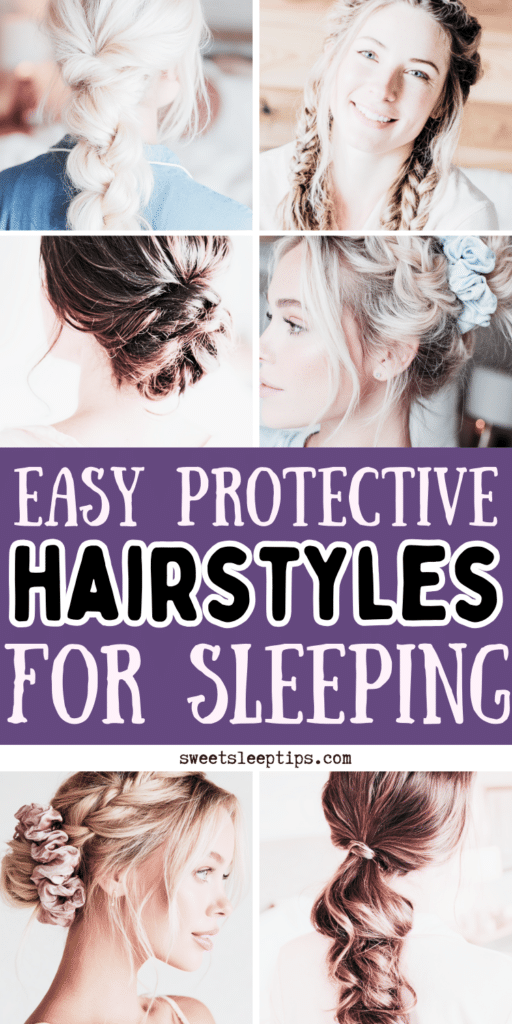
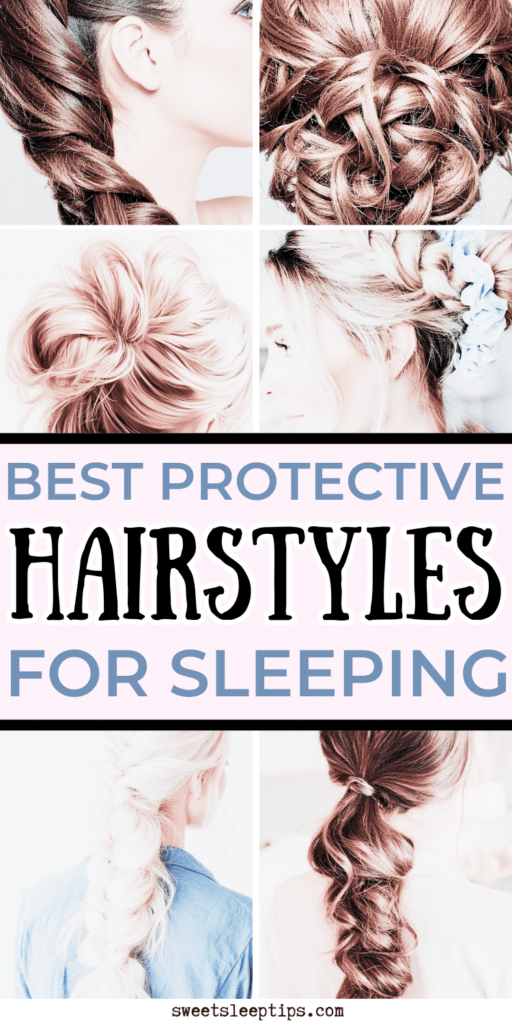
Loose pineapple for curls and waves (protects shape and volume)

When I want to keep my curls or waves looking like curls and waves, a loose pineapple is my go-to.
It helps protect the shape and keeps volume at the roots.
Here’s how to do it: Flip your head forward, gather your hair high on top (almost like a unicorn ponytail), and use a soft scrunchie to secure it loosely. Keep the hairline relaxed; you can also tuck any loose ends into a bonnet.
Common mistakes to avoid: pulling it too tight, stacking multiple hair ties, or using rubber bands. If the scalp feels “lifted,” redo it looser. Curls would rather be a little messy than overly stretched.
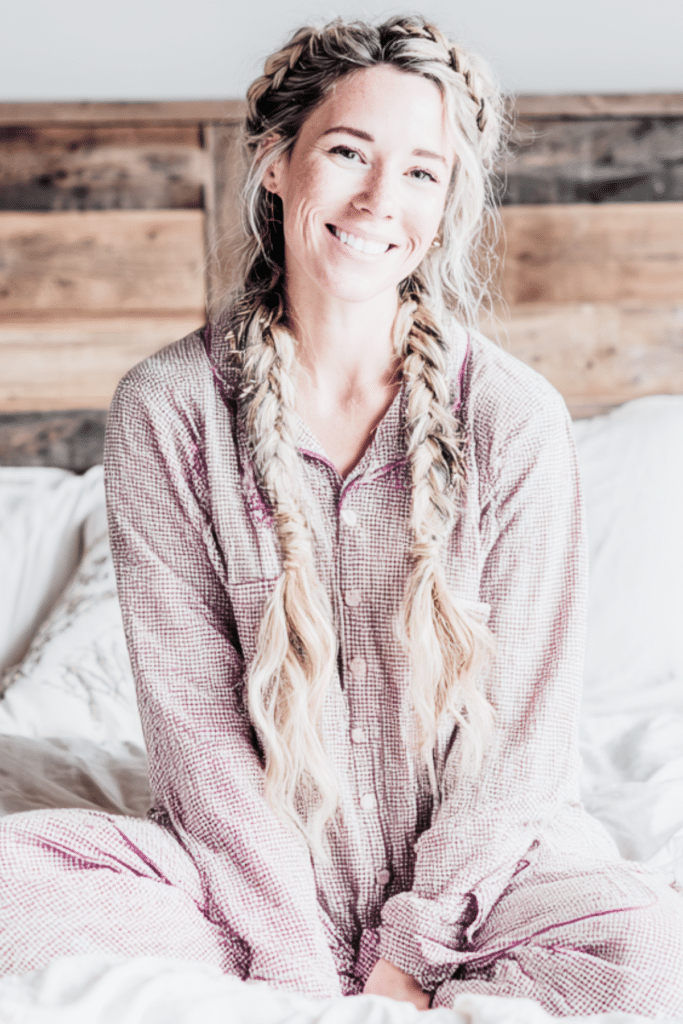
Two to four loose braids (reduces tangles, helps length retention)

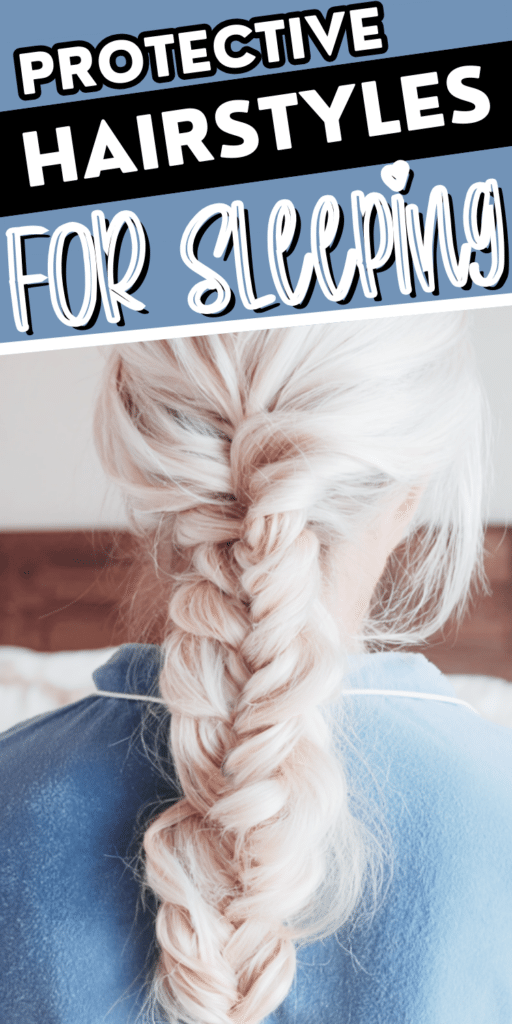
Loose braids are one of the easiest protective hairstyles for sleeping because they keep hair grouped and stop the all-night knot party.
They’re also great if you’re focused on length retention, since less tangling usually means less breakage during detangling.
Here’s how to do it: Part hair into two to four sections, then braid gently. Stop before the braid gets tight at the ends, then secure with fabric ties or soft elastics that don’t snag. If ends are wispy, leave the last inch unbraided and just wrap it softly.
Note: For straight or fine hair, keep braids even looser to avoid dents. Two braids often look better in the morning than six, since fewer parts can mean fewer weird bends.
If I want a smoother next-day look, I do two braids. If I want a more wavy look, I do four.
Low loose bun (protects ends with minimal friction)
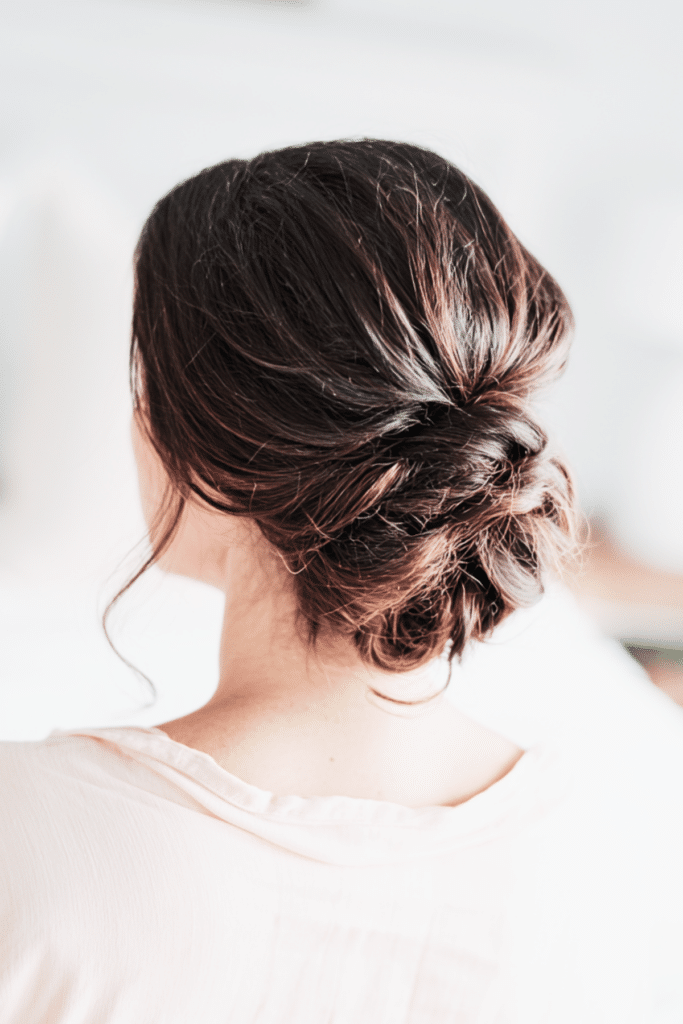
If my ends feel dry or I’m trying to baby my hair, a low, loose bun at the nape is a quiet little lifesaver.
It keeps ends tucked away, where they won’t scrape against my pillowcase all night.
Here’s how to do it: Smooth hair back with hands (not a stiff brush), twist it gently, then wrap it into a bun low at the nape. The key is keeping it loose, like it could fall apart if yanked it. Then secure it with a satin scrunchie or a couple of spin pins.
Note: This style tends to help most if you have long hair, dry ends, or hair that tangles when it’s left loose. If you get tension headaches or have tight curls that shrink a lot, keep the bun extra soft.
Loose low braid (keeps hair contained without tension)
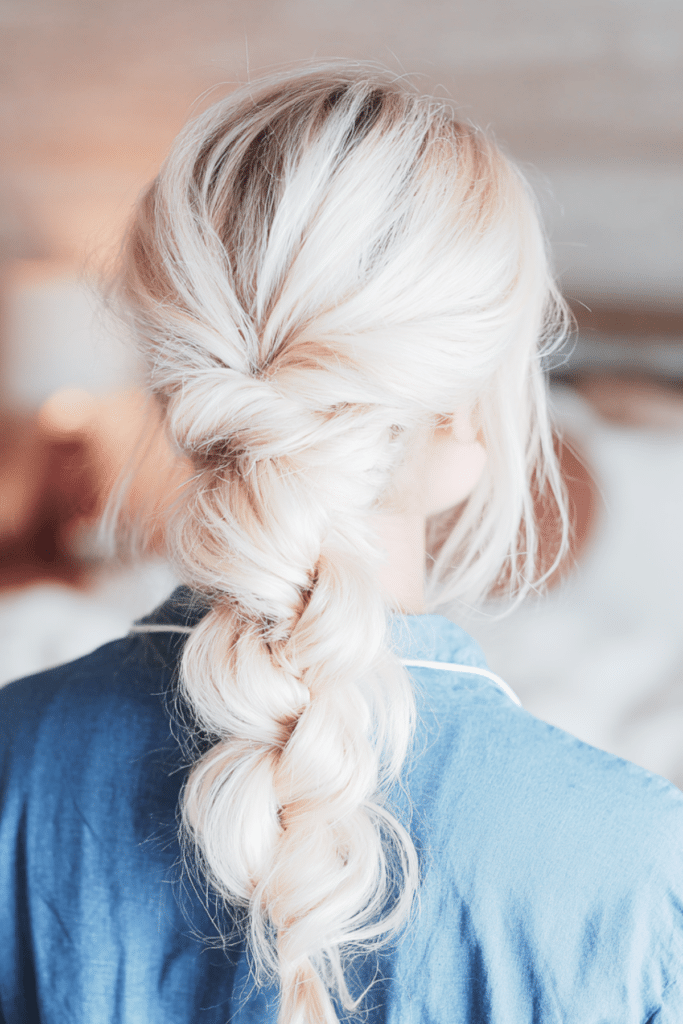
When I want my hair protected but don’t want it pulled or stretched, a loose, low braid is my go-to.
It keeps everything together without that tight, slicked-back feeling that never ends well by morning.
Here’s how to do it: Part hair how it’s normally worn during the day, then gently braid it starting at the nape, keeping your hands soft and relaxed the whole time. It’s not about creating the perfect braid —just something loose enough that it moves with me while sleeping.
Next, secure it with a satin scrunchie or a couple of spin pins so there’s no tight elastic digging in overnight. The goal is protection, not tension.
Note: This style works especially well if you have long hair, hair that tangles easily, or curls and waves that need a little structure to avoid knots.
Also, if your hair shrinks or you’re prone to tension headaches, keep the braid extra loose and low.
You should barely feel it once you lie down.
Loose twist secured at the nape (gentle and low-profile)
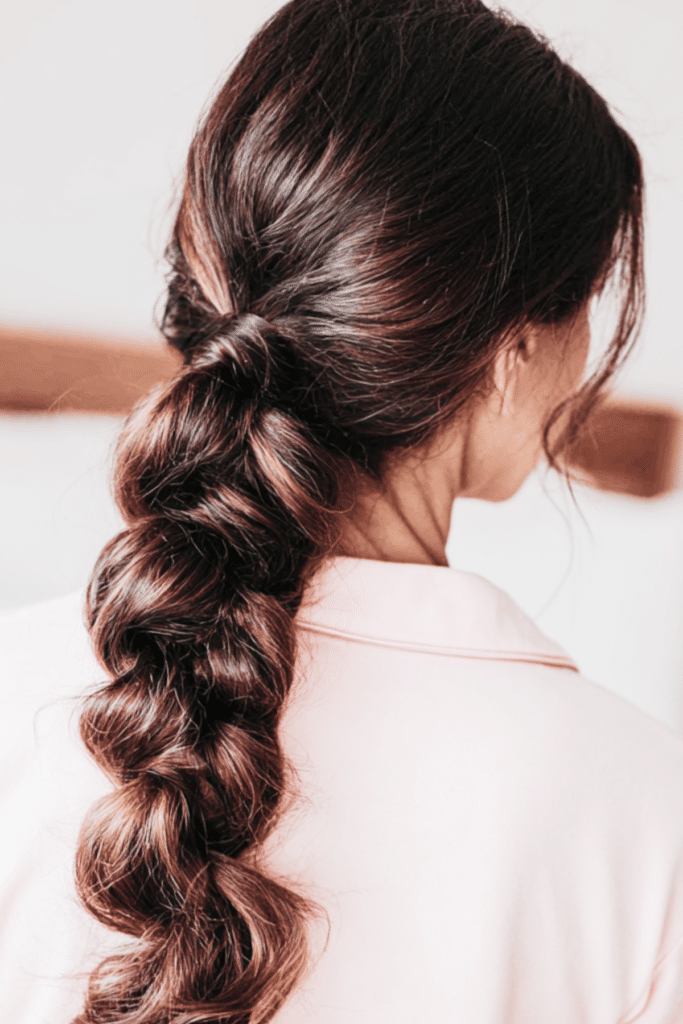
When I want something even simpler than a braid, a loose twist at the nape does the job without any fuss.
It keeps hair contained while staying flat enough to sleep comfortably on my back.
Here’s how to do it: Gently twist hair back with hands, letting it coil naturally instead of forcing it tight. Then secure it with a satin scrunchie or a couple of pins so it stays put without pressure.
Note: This works well for medium to long hair and nights when your scalp feels sensitive. If you wake up with headaches or sore roots, keep the twist very loose—comfort always comes first.
Common mistakes that cause breakage at night (and easy fixes)
Nighttime breakage usually isn’t one dramatic mistake.
It’s small habits that add up, like wearing a tight style, skipping detangling, or using rough accessories because they’re nearby.
The good news is you can fix most of it tonight.
Going to bed with wet or damp hair
Wet hair is more fragile, and it tangles faster.
However, it is possible to enjoy next-day hair without the frizz or stress of a bad hairday!
I created an entire blog post all about how to sleep with wet hair to get your style looking great!
Using the wrong hair ties and accessories
Rubber bands and tight elastics are trouble, even if they seem harmless “just for sleep.”
Anything that snags can create tiny tears that turn into split ends.
What I use instead: soft scrunchies, fabric ties, or gentle pins. Spiral ties can work too, but I keep them loose and avoid wrapping them a million times.
One edge-saving tip I follow: I keep bands and knots off my hairline. If the tie is sitting right on my edges, it’s doing damage while I sleep.
Final Thoughts
Protective hairstyles for sleeping can make a bigger difference than you might think when it comes to reducing frizz, breakage, and overall hair stress.
With the right style and a few small adjustments, you can protect your hair overnight and wake up with hair that feels healthier and easier to manage.
After trying lots of these styles myself, especially with naturally curly hair, I’ve found that simple and comfortable options really do work best.
Need some help with your night routine? Grab a free printable below, and we’ll send it straight to your inbox!
Your Turn
Now it’s your turn to try out a few protective hairstyles for sleeping and see what works best for your hair type and routine. Start with one style, pay attention to how your hair looks and feels in the morning, and adjust from there. If you have a go-to protective style you love or one that’s worked well for you, I’d love to hear about it in the comments below!
RELATED POSTS:
- Sleep Hairstyles You’ll Want to Start Wearing Tonight for Better Hair Tomorrow
- How to Sleep With Wet Curly Hair Without Waking Up to Frizz
- Cute Night Hairstyles for Sleep for Curly, Straight, or Wavy Hair
- Bedtime Hairstyles for Sleep: Protect Your Hair Without Losing Comfort
- How To Sleep With Wet Hair the Right Way (No Frizz, No Stress)
- How to Sleep With Curly Hair: Easy Tips for Curly Hairstyles
- Sleep Meditation: Simple Guide for Better Rest
- Night Routine List for Better Sleep [Free Printable + Simple Steps]
- Bedtime Habit Tracker: Free Printable for a Better Sleep Routine
- How to Build a Sleep Routine That Actually Works
- Sleep Hygiene Tips That Work [Free Printable Checklist Included]
Hi, I’m Debbie, general manager of a mattress store chain with 25+ years helping people improve their sleep quality. At Sweet Sleep Tips, I share natural, practical sleep solutions, calming bedtime habits, and printable tools to help you fall asleep faster and wake up refreshed. My goal is to make better sleep simple, healthy, and stress-free.
Follow me on Pinterest, Instagram, and Facebook to stay up to date with all the latest Sweet Sleep Tips.