
Sleep Hairstyles You’ll Want to Start Wearing Tonight for Better Hair Tomorrow
Ever go to bed with decent hair, then wake up looking like you wrestled your pillow all night? That’s where sleep hairstyles come in. Keep reading to find the simple ways to wear your hair overnight so you get less frizz, fewer tangles, less breakage, and a better curl or wave pattern by morning.
I may earn a small commission for affiliate links in this post at no extra cost to you. Please read my privacy policy and privacy page for more information. As an Amazon Associate, I earn from qualifying purchases.

As someone with naturally curly hair, I know firsthand that nighttime can make or break your next-day results.
One rough night of tossing and turning can turn defined curls into a fuzzy halo, especially around the crown and edges.
The good news is you don’t need a complicated routine.
You just need the right match for your hair type, length, and how you sleep (side, back, or stomach).
Small changes (one braid, a loose bun, a scarf) can make a big difference, and you’ll feel it the next morning when your brush stays in the drawer.
So, are you ready to find the perfect sleep hairstyles to wake up looking amazing in the morning?
Great! Grab a snack, settle in, and let’s get into it!
Start with the Basics: What Actually Protects Your Hair Overnight

Most sleep hairstyles work for the same three reasons: they cut down friction, they avoid harsh tension, and they keep your hair from drying out or getting crushed in weird shapes.
When those basics are in place, the style is almost a bonus.
Friction control is the big one.
Cotton pillowcases grab hair like Velcro, especially if your strands are dry, curly, color-treated, or fine.
That rubbing can rough up the cuticle, pull at knots, and leave you with frizz in the spots that touch the pillow most.
If you sleep on your side, that’s often your outer layer and ends. If you sleep on your back, it’s the crown and nape.
Gentle tension matters more than people think.
A sleep hairstyle should hold your hair in place, not “train” it into submission.
Tight styles can cause breakage at the elastic line, sore edges, and headaches that make you rip everything out at 2 a.m.
A good overnight style feels secure but soft, like your hair is resting, not bracing.

Moisture balance is the third piece.
Dry hair tangles faster, and tangles turn into snapping when you try to detangle in the morning.
On the flip side, going to bed with soaking-wet hair can stay damp too long, which can lead to frizz and an unhappy scalp.
Your goal is controlled moisture, not drenched hair trapped under pressure.

Here’s a quick scan to keep you on track:
- Do: Keep styles loose, tuck ends when you can, and reduce rubbing at the pillow.
- Do: Detangle gently before bed (fingers or a wide-tooth comb, depending on your hair).
- Don’t: Use tight elastics, rubber bands, or anything with a metal seam.
- Don’t: Brush curly hair dry right before bed; it can puff and fray your pattern.
- Don’t: Sleep on wet hair with no plan (no towel blot, no air-dry time, no protective layer).
A few common mistakes sneak up on you.
Tying your hair too low can grind your ends into the pillow all night.
Tying it too high with too much tension can damage roots and stress your hairline.
And if you twist or braid hair that’s still very wet, it might not dry by morning, which can leave your scalp feeling musty.
Your Best Tools: Silk or Satin, the Right Scrunchies, and Light-Hold Products

Silk or satin is your simplest upgrade because it reduces friction.
A satin pillowcase is the easiest place to start.

However, a satin or silk bonnet also works well, especially if you move a lot in your sleep.
To choose what stays on your head, think comfort first.
If you hate the feeling of a bonnet band, you won’t wear it.

A silk scarf can feel lighter, but it needs a snug tie that doesn’t pinch.
If you wake up and it’s always gone, switch strategies: keep the satin pillowcase and use a looser, softer bonnet just for extra help.

For ties, go for snag-free scrunchies, spiral ties, or soft ribbons.
Avoid rubber bands and tight hair ties, which can cut into hair and cause split ends right where they sit.
Products can help, but keep them light at bedtime.
A tiny amount of leave-in can reduce tangles, and a drop of light oil on the ends can help if your hair runs dry.
If your hair builds up fast or gets limp, skip products at night and use them in the morning instead.
How Tight is Too Tight? A Quick Tension Check to Prevent Breakage and Headaches
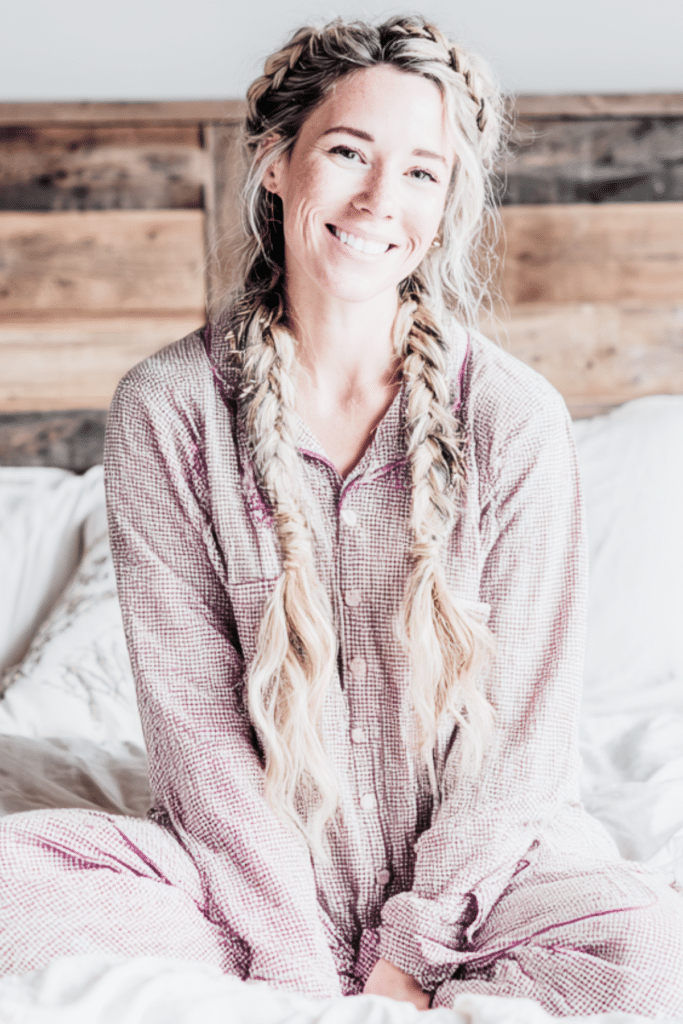
Use the two-finger rule.
After you secure your style, you should be able to slide two fingers under the scrunchie or wrap without forcing it.
Your scalp should feel normal, not “pulled.”
Signs it’s too tight show up fast: throbbing, scalp bumps, dented roots, sore edges, or that tender feeling when you touch your hairline in the morning.
If your hair is fine and dents easily, go even looser and choose wider, softer ties.
For edges, keep baby hairs out of the tie and avoid wrapping fabric directly over your hairline.
The Best Sleep Hairstyles For Your Hair Type and Length
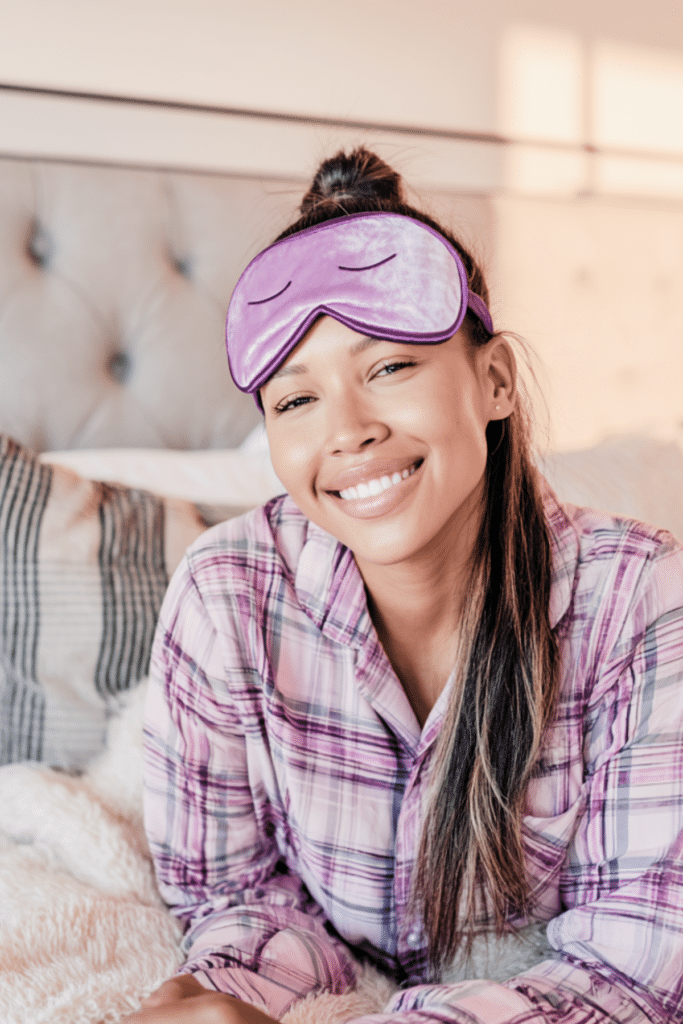
The best overnight hairstyle is the one that fits your hair and your habits.
If you sleep on your stomach, anything bulky on the crown might feel annoying.
If you sleep on your side, you might prefer a style that sits higher or splits into two parts, so you’re not lying on a knot.
Below are practical sleep hairstyles with simple steps, what you’ll need, and what you can expect in the morning.
Curly Hair Sleep Hairstyles: Pineapple, Loose Twists, and Braids That Keep Your Curl Shape

If you wear curls, you’re usually trying to protect definition and avoid frizz at the crown.
Learning how to sleep with curly hair is a helpful step.
The classic choice is the pineapple, which works best for medium to long curls.
What you need: a large satin scrunchie or soft spiral tie, plus a satin bonnet or scarf if you have one.
How to do it: Flip your head forward and gather your curls at the highest point that still feels comfortable. Secure with one loose loop, then stop. The goal is “held,” not “pulled.” If your ends are dry, smooth a tiny bit of leave-in or oil on the last inch of hair before you gather it. If you have a bonnet, tuck the puff inside so your curls aren’t rubbing the pillow.
What you’ll get in the morning: Lift at the roots, less flattening, and curls that fall back into place with minimal work.

If your curls are short, a single pineapple might not catch everything.
Try mini pineapples (two to four small, loose puffs) or loose twists.
With twists, separate hair into a few chunky sections, twist gently, then secure the ends with a soft scrunchie or small snag-free tie.
Keep them loose so they don’t turn into tight ringlets unless you want that.

For curl-friendly braids, go with two loose braids instead of one tight braid down the back.
Two braids help you avoid a flat crown, and they keep ends tucked.
In the morning, take everything down, shake at the roots with your fingertips, then mist with water or a curl refresher and scrunch once or twice.
If you want more curl-specific routines, look for my post “How to Sleep With Curly Hair: Easy Tips for Curly Hairstyles”.
Wavy Hair Sleep Hairstyles: One Loose Braid, Low Bun, and the “Braid and Shake” Morning Routine
Waves can be picky.
Too tight and you wake up with sharp bends.
Too loose and you get tangles plus flat roots.
The sweet spot is gentle shaping with room to move.
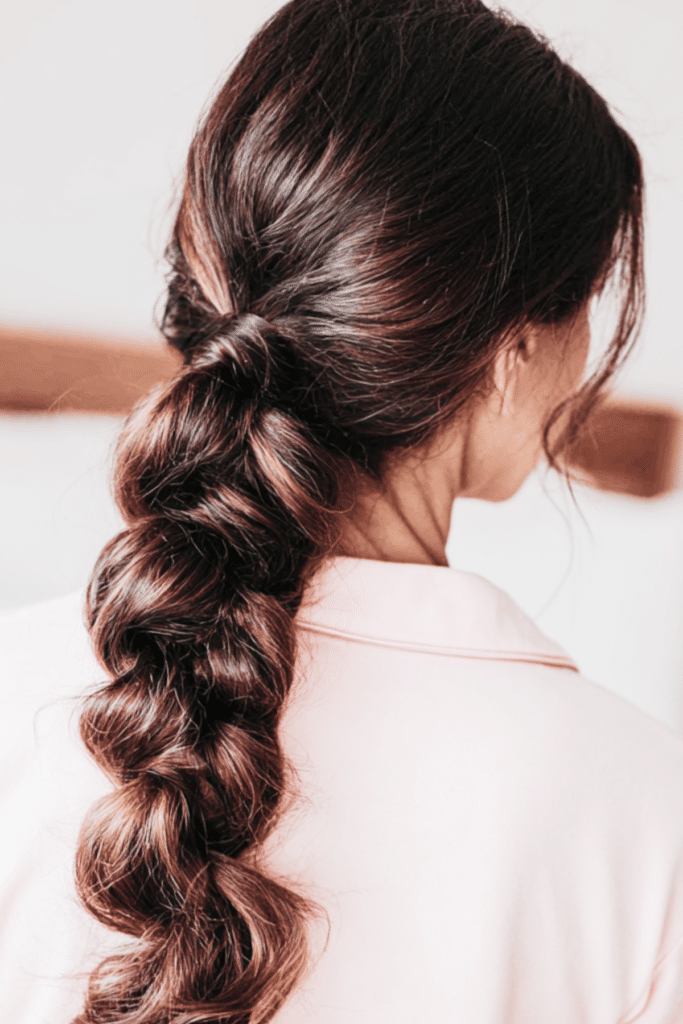
A single loose braid is a great default for medium to long wavy hair.
What you need: a soft tie, and (optional) a satin pillowcase for less frizz.
How to do it: Brush or comb your hair gently, then braid with relaxed tension. Stop the braid a little above the ends and secure loosely so you don’t crush the tips. If you hate dents, start the braid lower, around the nape, and keep the first few crosses extra loose.
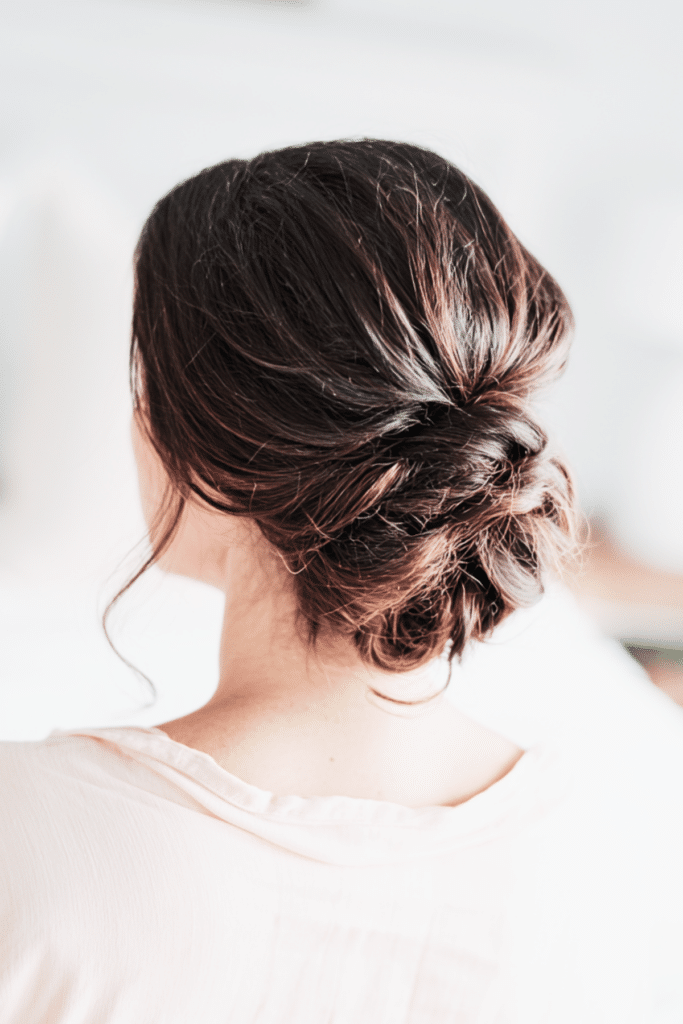
If you want more volume control, try a low loose bun at the nape.
Twist your hair once or twice, wrap it into a soft coil, and secure with a scrunchie.
Keep the bun slightly off-center if you sleep on your back and don’t want to lie on it all night.
In the morning, use the “braid and shake” routine.
Take your hair down, flip your head forward, and gently shake roots with your fingertips.
Add a small amount of spray or mousse to your palms, smooth it over the mid-lengths, then scrunch once.
Let it air-dry while you do the rest of your morning.
You’ll keep your wave shape without the crunchy feel.
Straight Hair Sleep Hairstyles: Low Twist, Loose Braid, and Wrap Methods to Stop Tangles and Dents
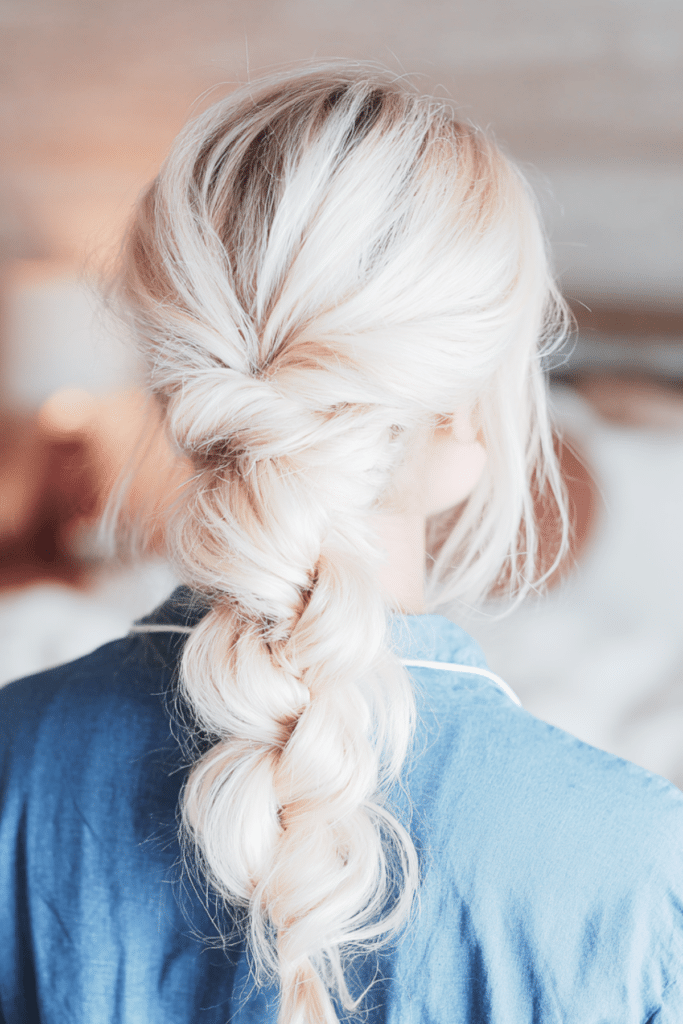
With straight hair, the main problems are tangles, knots at the nape, and creases from tight ties.
Your goal is to keep hair contained and smooth without pulling at the scalp.
A low twist is an easy one, especially for shoulder-length to long straight hair.
What you need: a soft scrunchie and, if your hair tangles easily, a small amount of lightweight serum on the ends.
How to do it: Gather hair at the nape, twist it into a rope, and coil it into a small bun. Secure with one loose scrunchie. If your hair dents fast, don’t wrap the scrunchie multiple times. One gentle loop is often enough.
A loose braid also works well for long straight hair that knots overnight.
Keep the top loose, so you don’t get a ridge near the scalp, and secure the end with a soft tie.
If your ends are fragile, braid to just above the ends and let the last inch stay free.
For very long hair that tangles, try a wrap method.
Brush gently, then bring hair around your head in a smooth circle (like a flat halo), pinning with a few smooth pins as you go.
This keeps hair from bunching under your neck and reduces morning snarls.
Keep pins flat and avoid stabbing them tight into one spot.
Short Hair and Layered Cuts: Easy Overnight Styles That Will Not Fall Apart
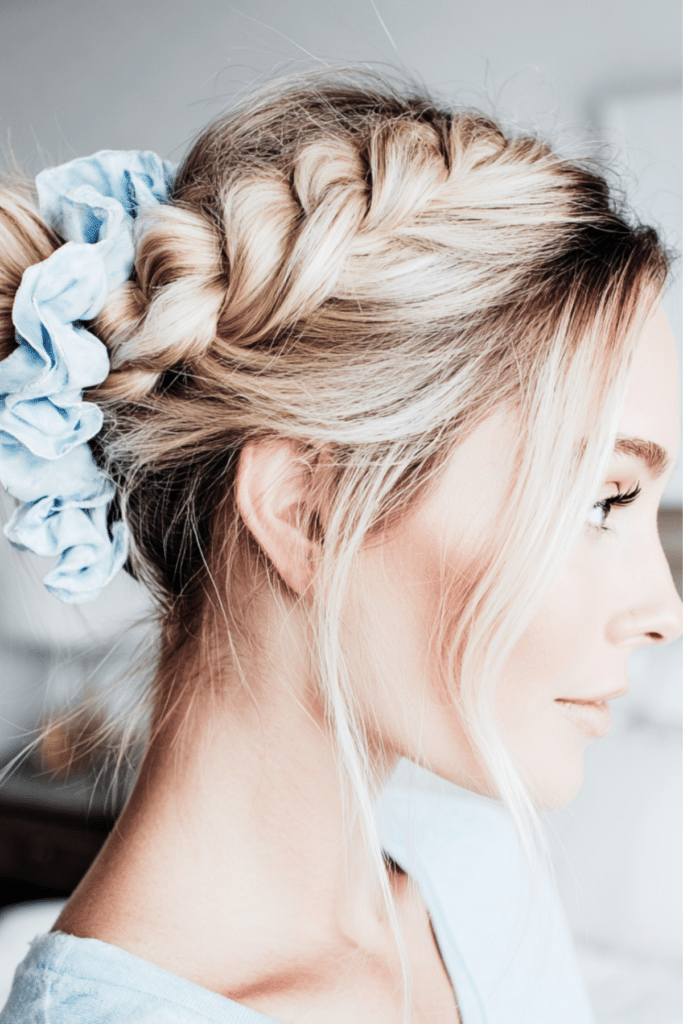
Short hair can be tricky because you can’t always braid it, and clips can poke when you sleep.
The best sleep hairstyles for short hair are small, soft, and placed where your head won’t press on them all night.
If you have layers or face-framing pieces, try small side twists.
Part your hair as usual, twist the front sections back loosely, and secure with smooth pins placed flat against your head.
Aim the pins toward the back of your head, not straight down, so they stay put.

A soft headband wrap can also work.
Put on a stretchy, fabric headband (not tight), then tuck the front pieces under it loosely.
This keeps bangs and shorter layers from sticking up, and it can reduce frizz around your hairline.
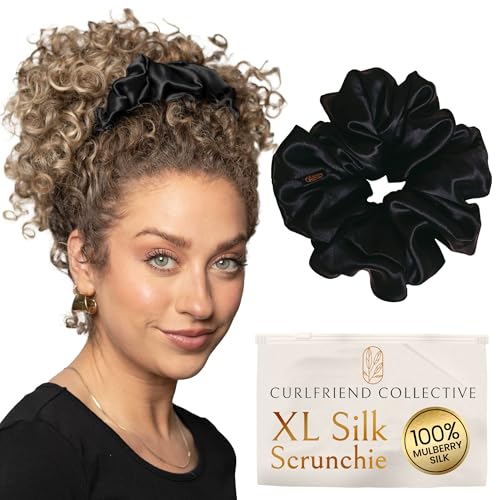
For bangs or a floppy front layer, a mini top ponytail helps.
Gather only the top section at the crown, secure with a tiny satin scrunchie, and leave the rest down.
Pair it with a satin pillowcase so the loose hair doesn’t tangle as much.
If your hair is slippery and styles slide out, use a light texturizing spray earlier in the day, not heavy product right before bed.
At bedtime, keep it simple so your scalp stays comfortable.
Special Situations: Wet Hair, Sweaty Nights, and Next-Day Volume Without Frizz
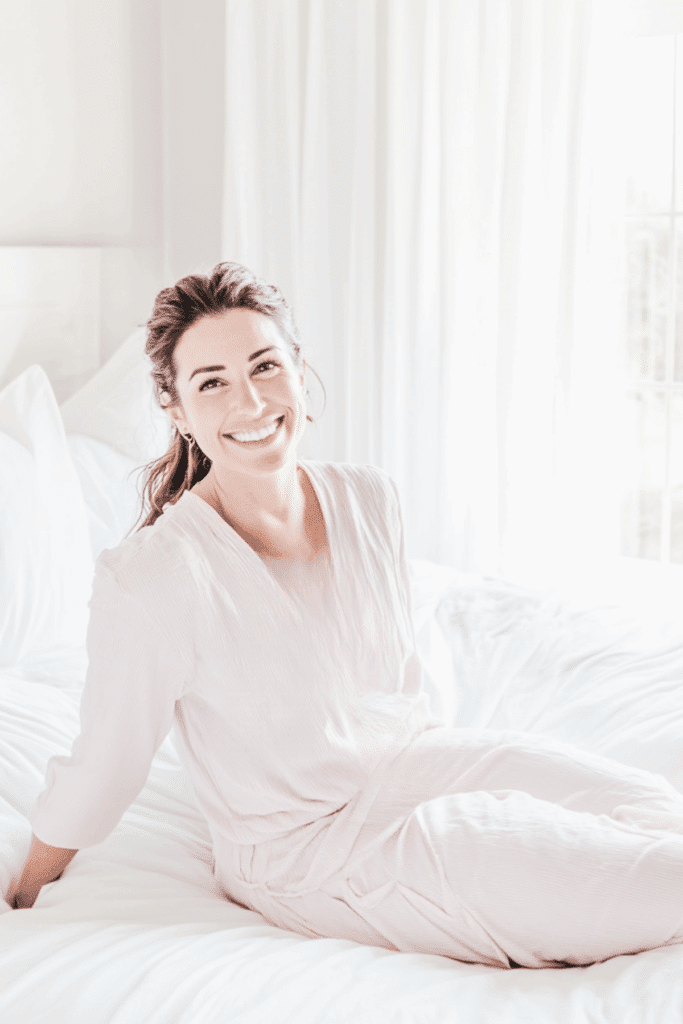
Real life doesn’t always line up with the perfect bedtime routine.
Sometimes you shower late, sometimes you work out at night, and sometimes your room feels like a sauna no matter what you do.
For damp hair, your goal is controlled drying and low friction.
For sweaty nights, you want breathability and clean contact surfaces.
And for next-day volume, you need root lift without rough handling.
Here’s a quick decision guide that keeps you out of trouble:
- If your hair is damp, blot with a microfiber, air-dry for 10 to 20 minutes, then use a loose braid, loose twists, or a pineapple.
- If your hair is soaked, don’t trap it right away. Focus on drying first, then style, or wait until it’s only slightly damp.
- If you sweat at night, choose a breathable scarf or bonnet, and keep your pillowcase clean and smooth.
- If you need volume, pick a style that lifts at the crown (pineapple, high loose pony, or two loose braids) and avoid tight roots.
How to Sleep with Wet Hair Without Waking up to Frizz or a Musty Scalp

Sleeping on soaking-wet hair can cause three problems fast: frizz from swollen strands rubbing on fabric, breakage from hair being weak while wet, and a scalp that stays damp too long.
A better plan starts with removing extra water.
Blot with a microfiber towel or a soft T-shirt, then let your hair air-dry for 10 to 20 minutes.
After that, choose a low-tension style that matches your hair type: a loose braid for straight or wavy hair, or loose twists for curls.
Add a satin bonnet or sleep on a satin pillowcase to cut down friction while your hair finishes drying.
If you want the full routine, including what to do when your hair is still wet at bedtime, read “How To Sleep With Wet Hair the Right Way (No Frizz, No Stress)”.
Protective Sleep Hairstyles and Scalp Comfort for Curly, Wavy, and Straight Hair
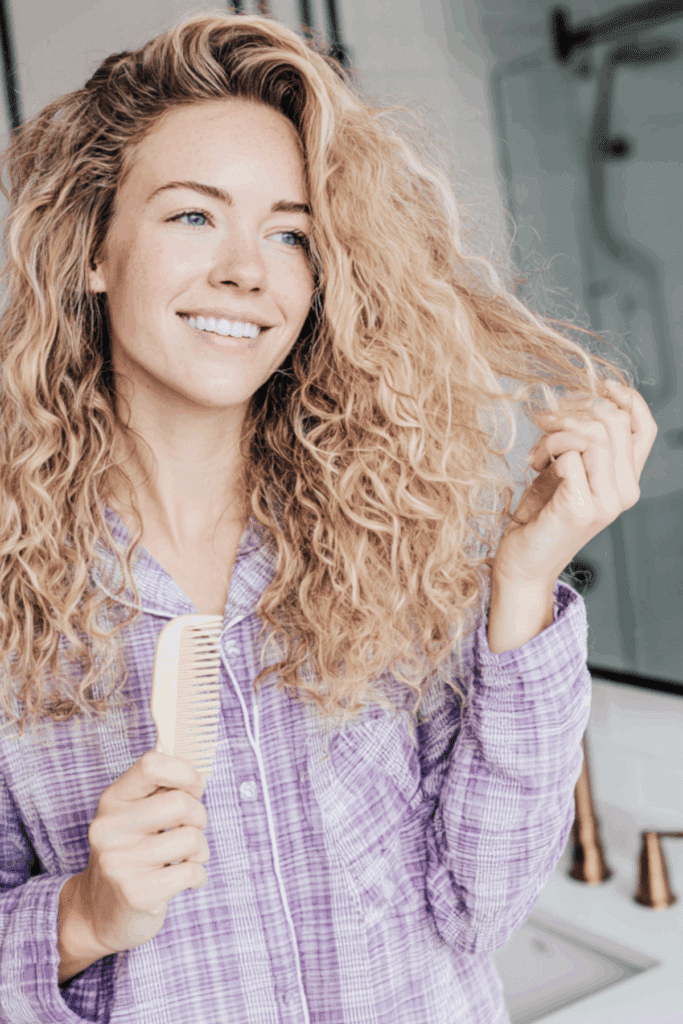
“Protective” can sound serious, but it’s simple: low tension, ends tucked, and less rubbing.
The best protective sleep hairstyles are the ones you can repeat without soreness.
Two easy options fit almost everyone: two loose braids (great for waves, curls, and long straight hair) and loose twists (especially good for curls and coils).
A low bun with ends tucked also works across hair types, as long as it’s soft and not pinned tight.
If you sweat at night, keep things breathable.
Choose a lighter scarf fabric, swap your pillowcase often, and avoid heavy oils on the scalp before bed.
Oil plus sweat can feel itchy fast, even if your hair lengths love it.
For more ideas that fit different textures, look for “Protective Hairstyles For Sleeping for Curly, Wavy, and Straight Hair.”

Final Thoughts
The best sleep hairstyle isn’t the fanciest one; it’s the one you’ll actually do every night, and it should feel gentle from start to finish.
As someone with naturally curly hair, I’ve tried a lot of solutions, and the routines that stick are always the simplest ones.
Start with one option that matches your hair type (pineapple, loose braid, low twist, or mini twists), then add one tool like a satin pillowcase or bonnet.
Try it for a week and pay attention to what changes, like frizz, tangles, and how long your morning takes.
If something feels off, adjust the tension or switch the style; your scalp will tell you the truth faster than any bedtime hairstyles tutorial.
Need more sleep tips? Grab the free printable night routine checklist below, and we’ll send it straight to your inbox.
Your Turn
Now it’s your turn! Do you have any favorite sleep hairstyles you currently use? Which of these bedtime hairstyles are you trying first? Let me know in the comments below.
RELATED POSTS:
- Bedtime Hairstyles for Sleep: Protect Your Hair Without Losing Comfort
- How to Sleep With Wet Curly Hair Without Waking Up to Frizz
- Cute Night Hairstyles for Sleep for Curly, Straight, or Wavy Hair
- Protective Hairstyles For Sleeping for Curly, Wavy, and Straight Hair
- How To Sleep With Wet Hair the Right Way (No Frizz, No Stress)
- How to Sleep With Curly Hair: Easy Tips for Curly Hairstyles
- Sleep Meditation: Simple Guide for Better Rest
- Night Routine List for Better Sleep [Free Printable + Simple Steps]
- Bedtime Habit Tracker: Free Printable for a Better Sleep Routine
- How to Build a Sleep Routine That Actually Works
- Sleep Hygiene Tips That Work [Free Printable Checklist Included]


Hi, I’m Debbie, general manager of a mattress store chain with 25+ years helping people improve their sleep quality. At Sweet Sleep Tips, I share natural, practical sleep solutions, calming bedtime habits, and printable tools to help you fall asleep faster and wake up refreshed. My goal is to make better sleep simple, healthy, and stress-free.
Follow me on Pinterest, Instagram, and Facebook to stay up to date with all the latest Sweet Sleep Tips.